
Movement
The world's most famous fitness target started as a 1960s pedometer slogan. Three major studies now show the real number is lower — and friendlier.
Movement
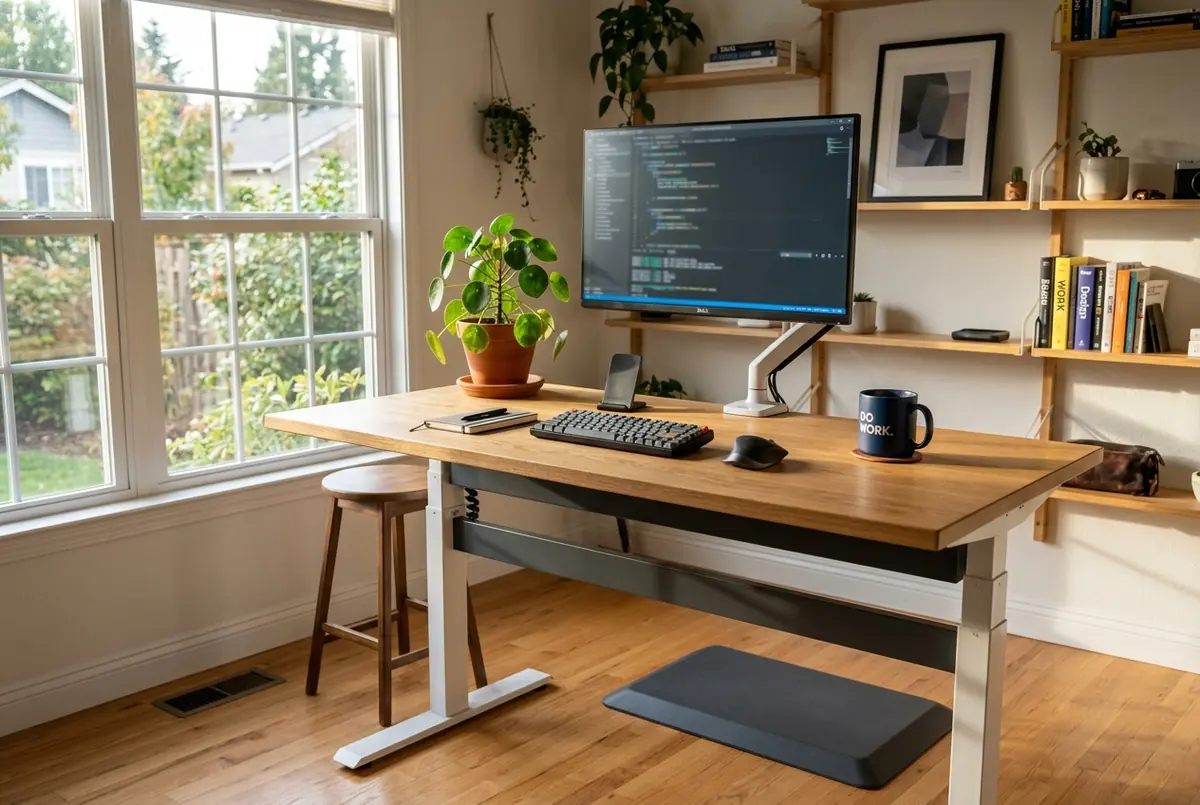
A meta-analysis measured the calorie difference between sitting and standing: it's about 9 extra calories per hour. The standing desk's real value is something else entirely.

Movement
Six standing or seated moves that counter the exact positions desk work locks you into. No floor, no changing, no colleagues staring.
Health Trends
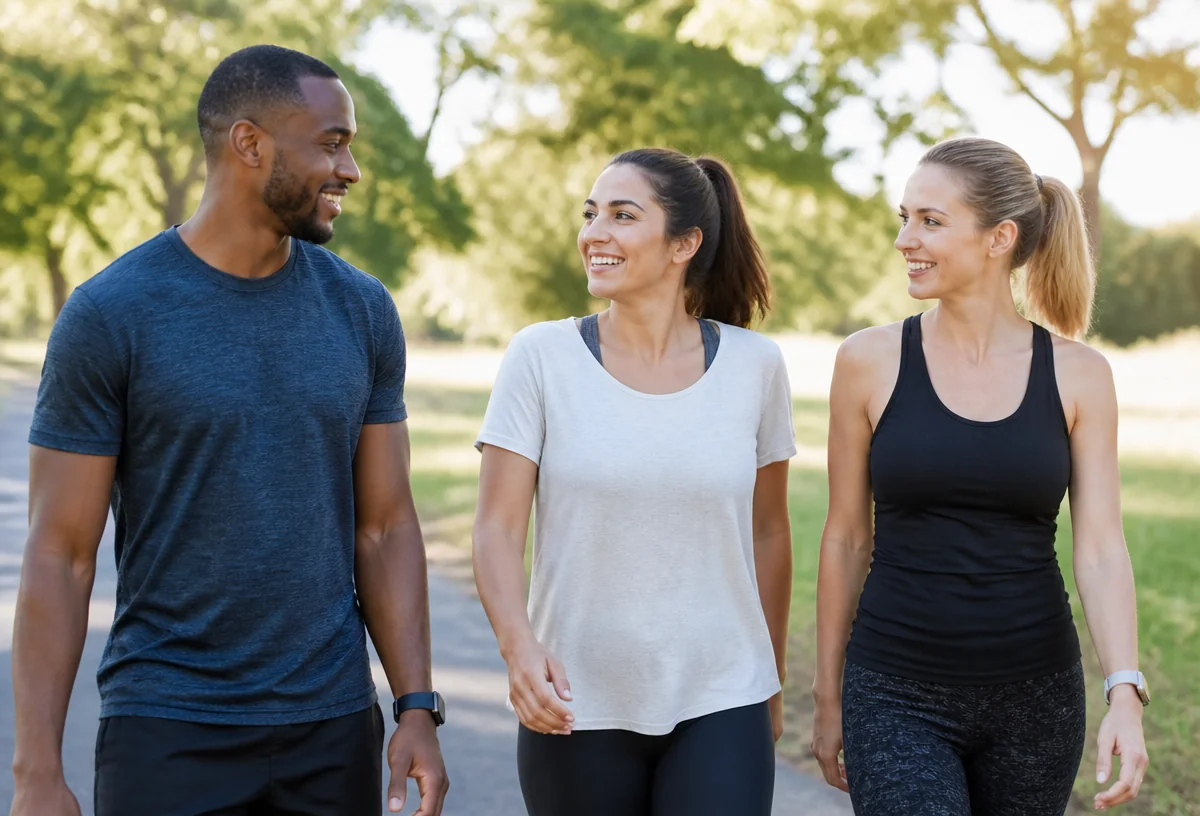
Hot girl walks. Zone 2. Cozy cardio. Slow running clubs. The fitness pendulum has swung — and the science says it's the healthiest trend in years.
Movement
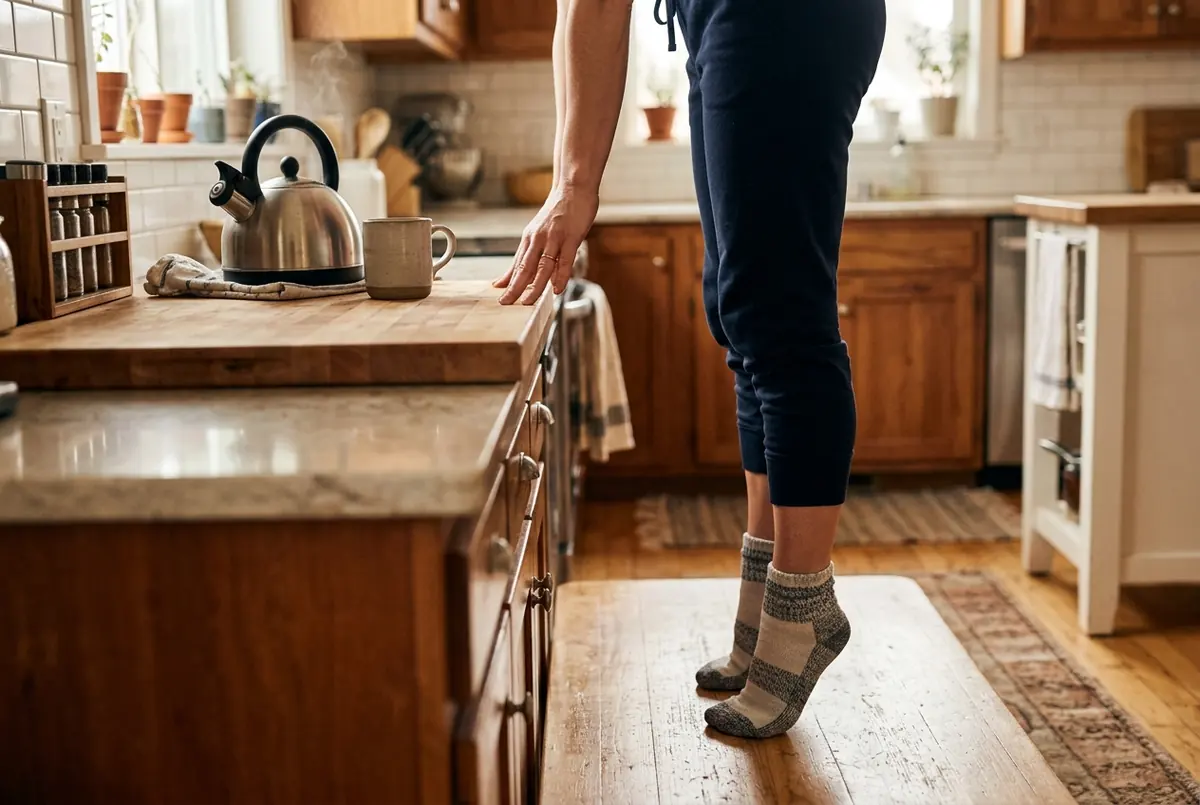
Physiologists call them the 'second heart.' When calf muscles idle, blood pools in your legs. Three minimal exercises — zero equipment — keep the system moving.
Buying Guides
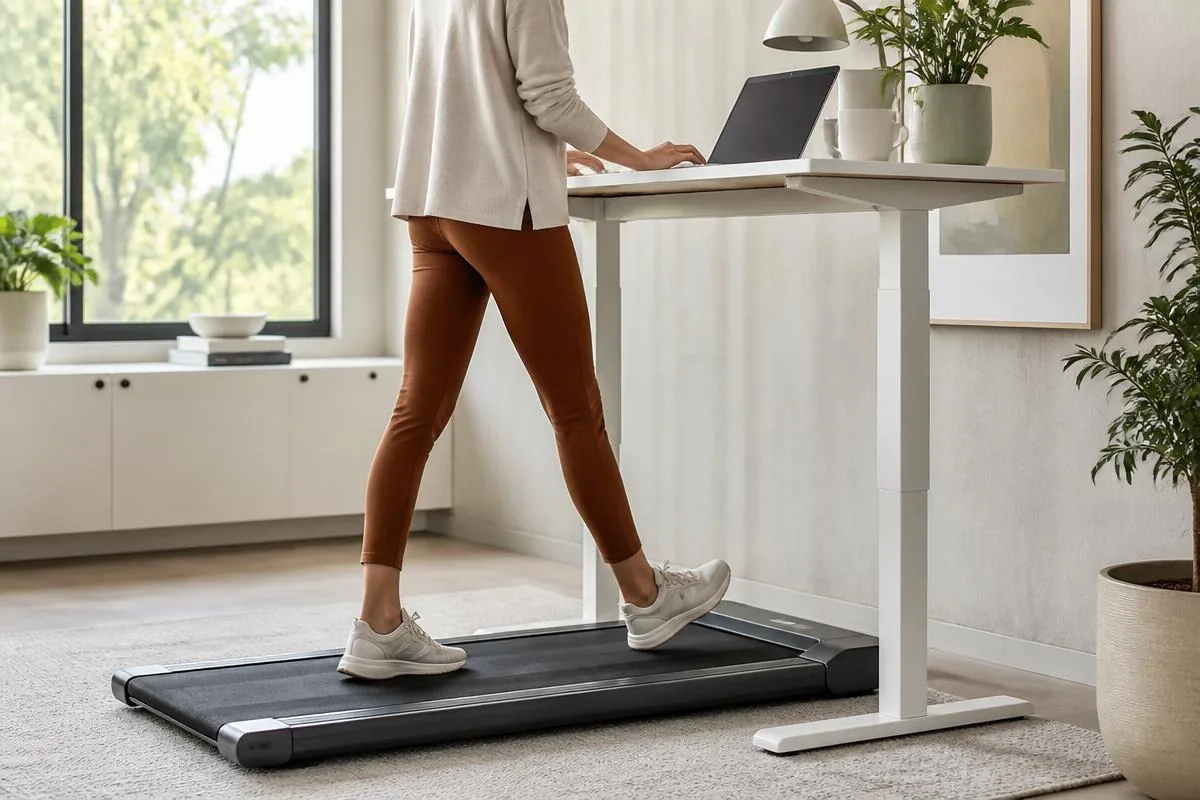
The under-desk treadmill went from novelty to normal in three years. Here's which ones earn their floor space, what the specs really mean, and the recall worth knowing about.
Health Trends
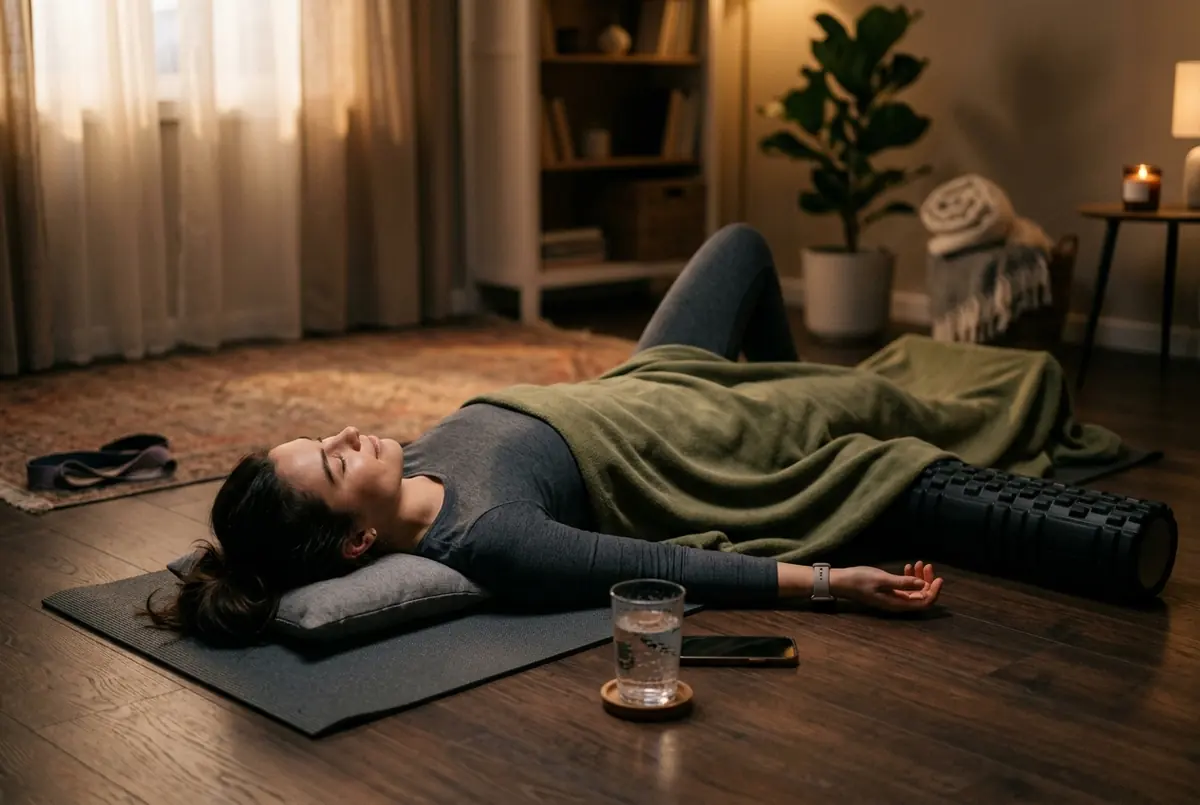
Rest days got a rebrand. Massage guns, compression boots, and recovery studios turned downtime into an industry. Here's the substance-to-merchandise ratio.

Movement
Podcast guests keep saying it. Longevity researchers keep endorsing it. Here's what Zone 2 actually is — defined by a physiologist, not a gadget — and why the hype is mostly earned.
Wellness
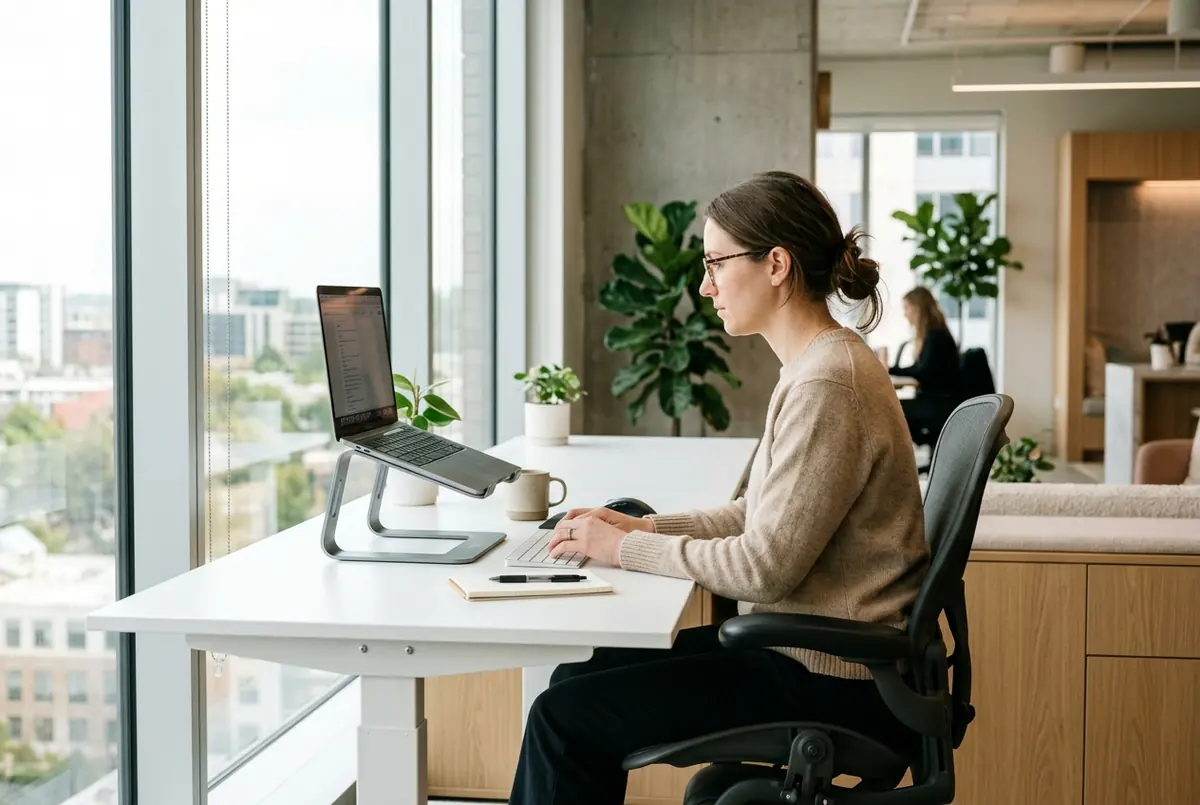
Prolonged sitting is an independent health risk — but experiments show remarkably small interruptions blunt its effects. The evidence, and a realistic protocol.
Movement
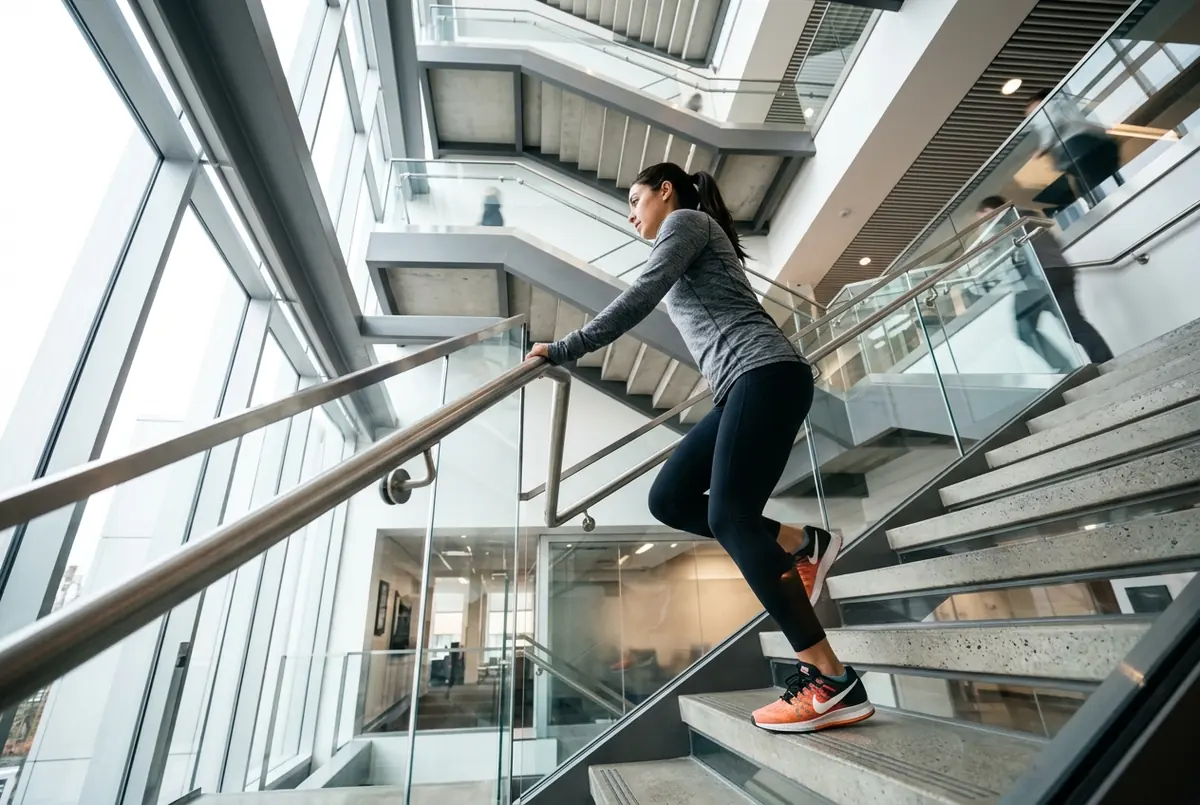
A 2022 Nature Medicine study tracked 25,000 non-exercisers and found that brief daily bursts of vigorous movement — stair climbs, brisk walks — were associated with dramatically lower death risk. The practical version.
Wellness
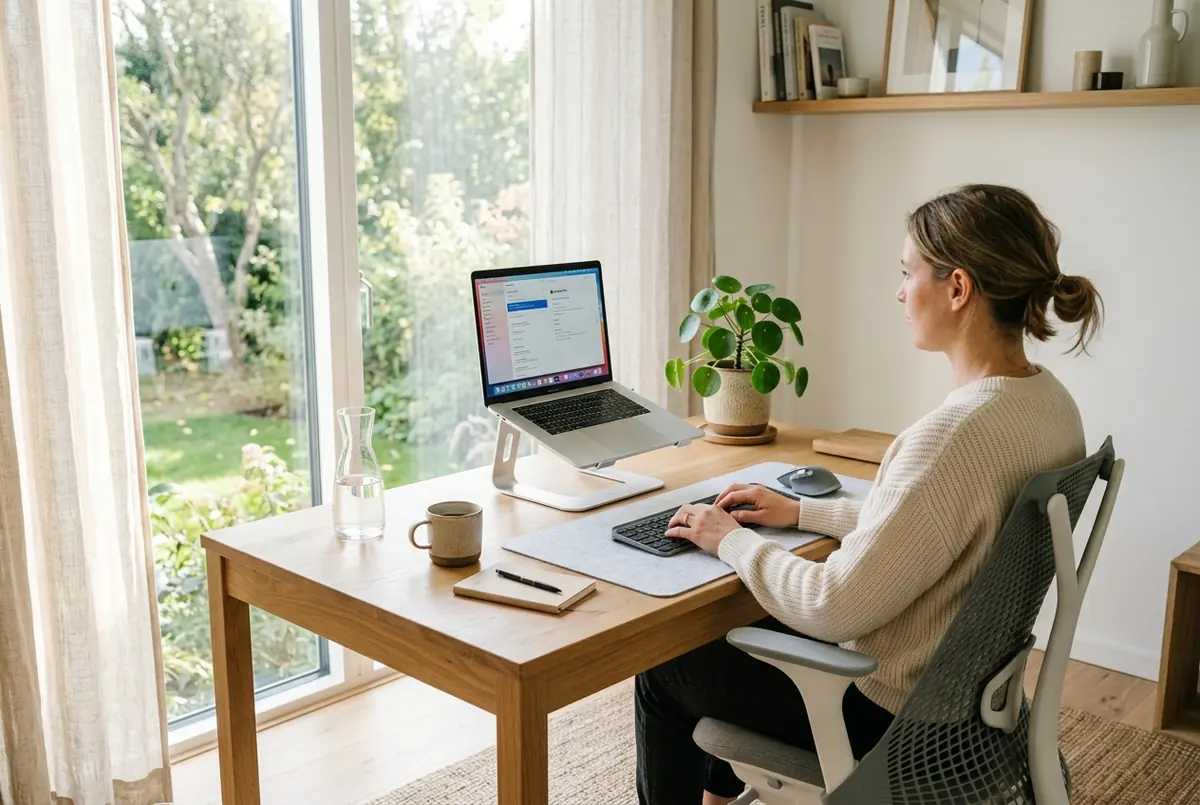
The commute you lost was also the movement you lost — and the kitchen chair was never meant for eight hours. An ergonomics-guided repair kit for the home office.
Movement
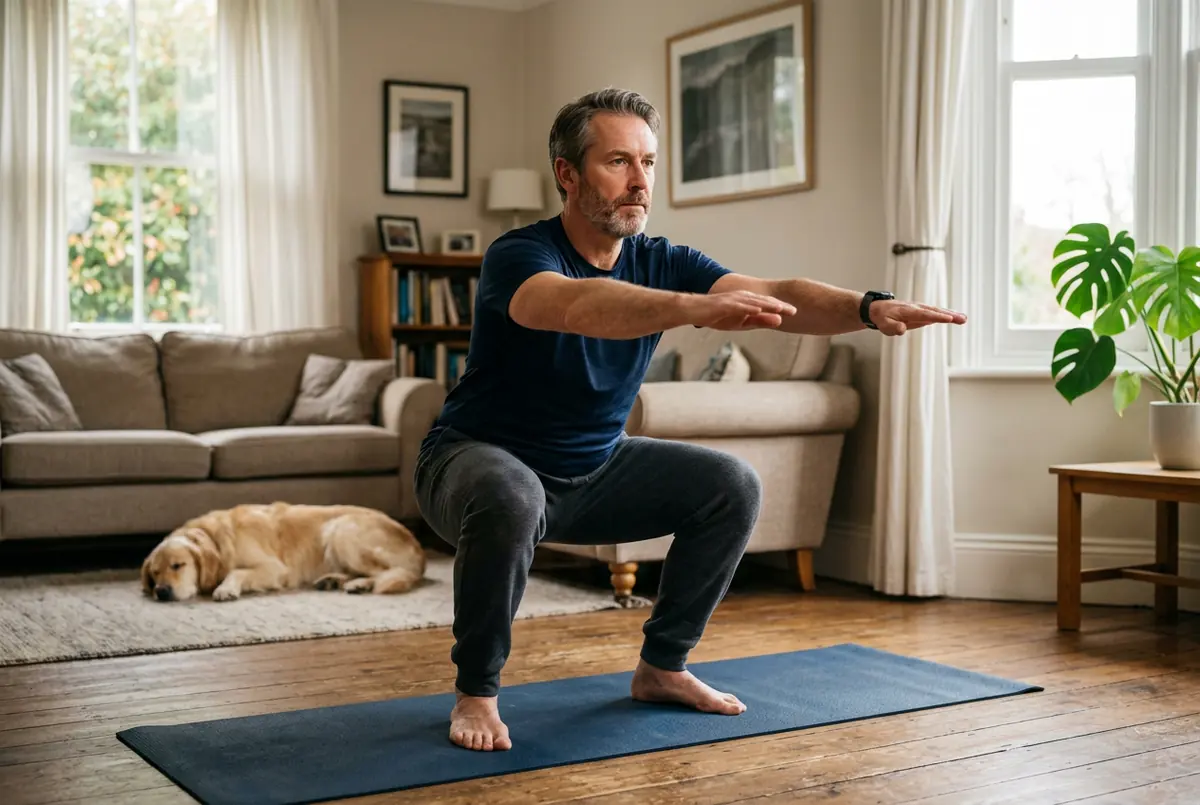
Adults lose 3–8% of muscle mass per decade after 30. The CDC recommends resistance training twice a week to slow it. Here's how to actually start.
Health Trends
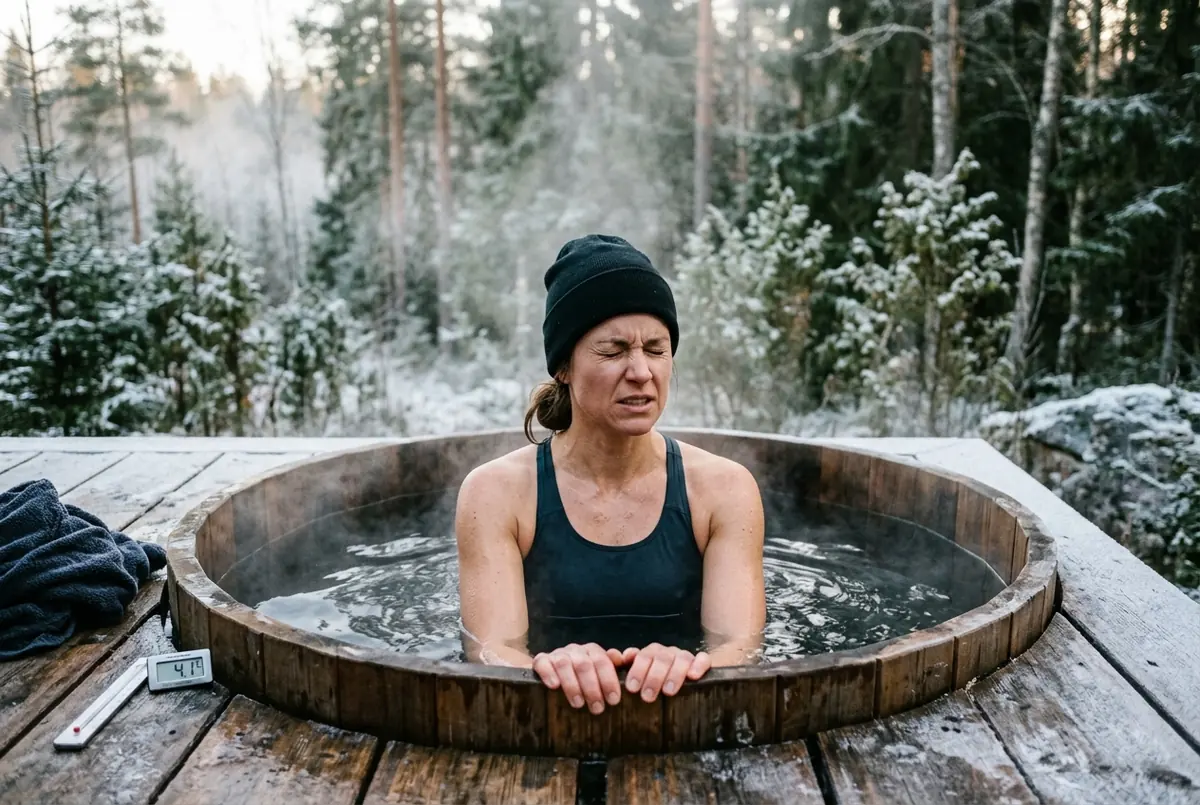
The mood boost is real. The metabolic claims are ahead of the evidence. And the safety paragraph isn't optional. A level-headed hype check.
Movement
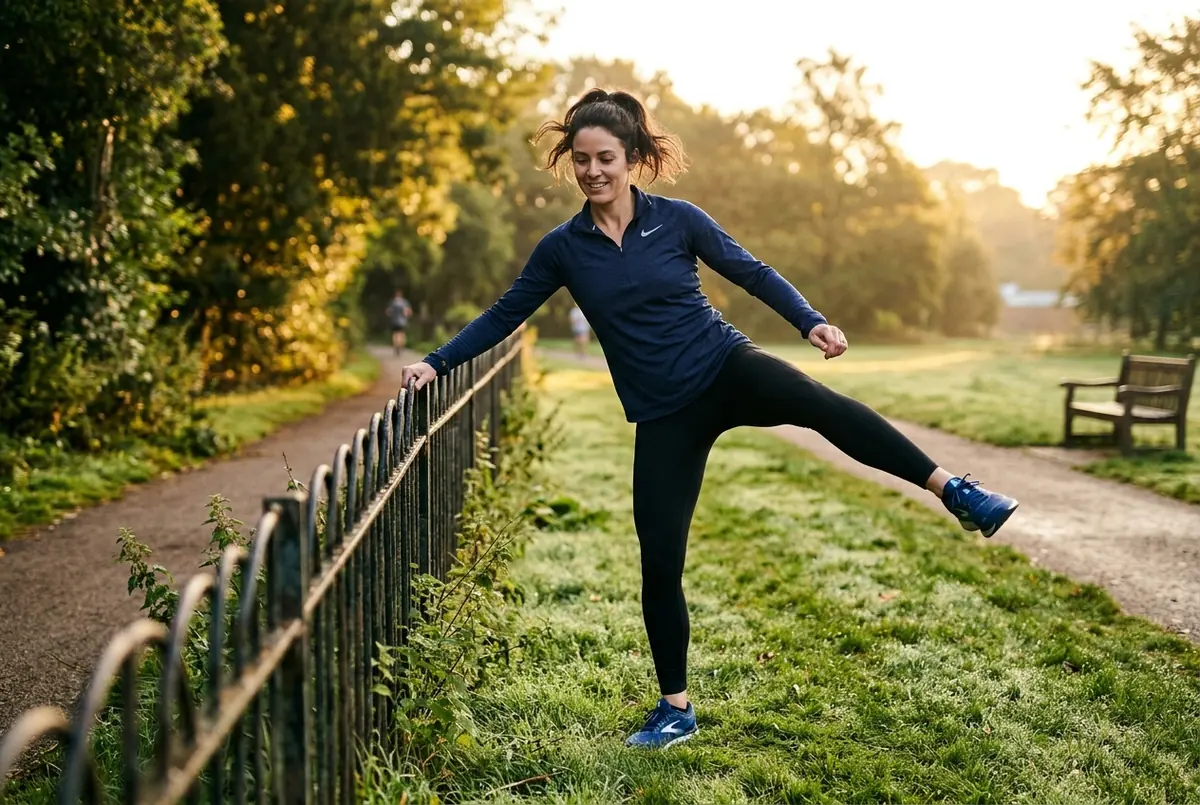
Toe-touches before exercise are 1990s nostalgia. Sports science now favors dynamic warm-ups — and the evidence says they're not just ritual.

Movement
Some of your calendar doesn't need a screen. A Stanford experiment quantified what walkers have always felt — and the practical format is simpler than you think.
Buying Guides
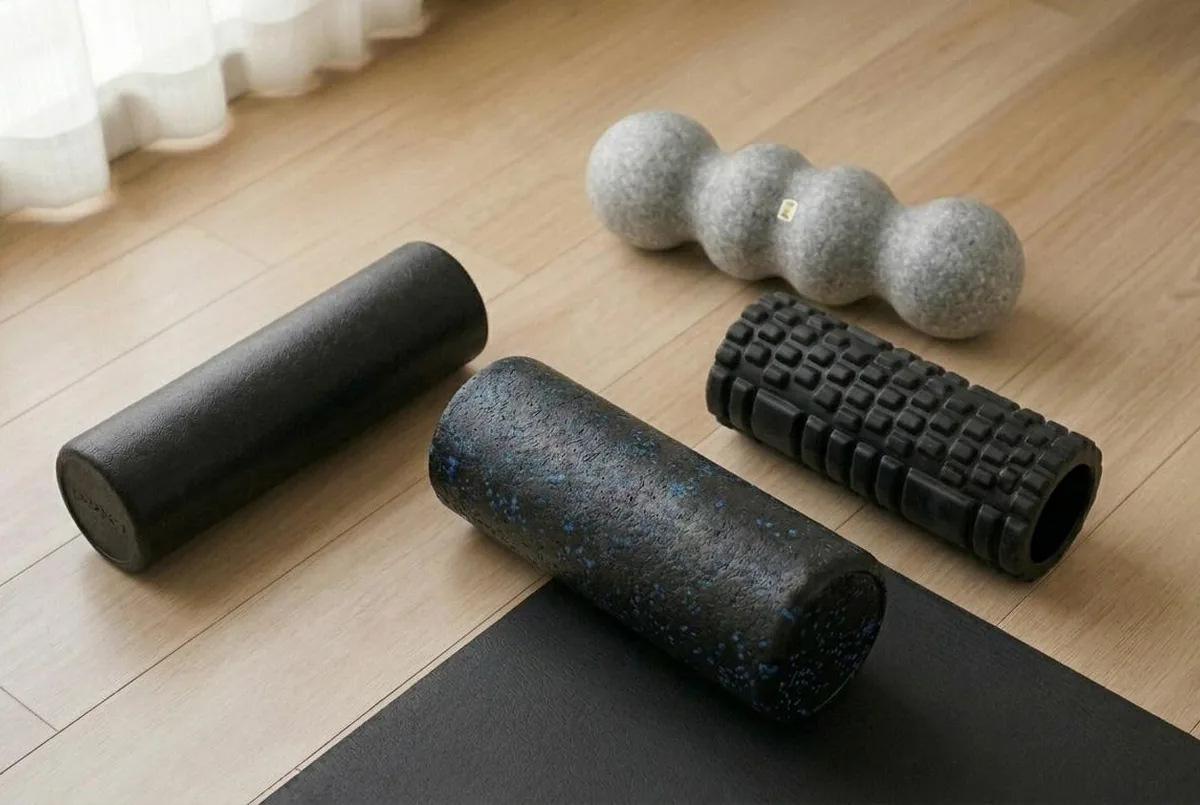
From the $15 slab to the trainer-room favorite: which roller to buy, how to use it without wincing, and what rolling honestly does.
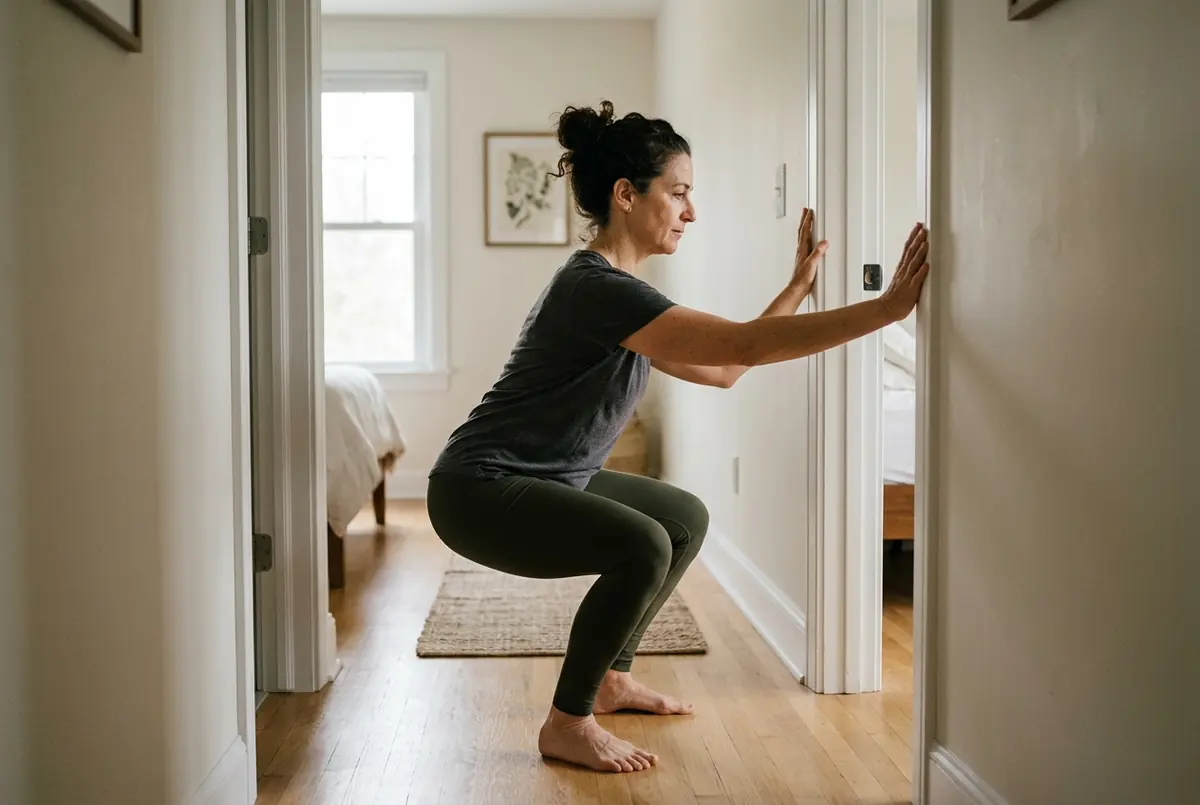
Movement
They're used interchangeably and they shouldn't be. The distinction changes what you should actually do with your ten spare minutes.
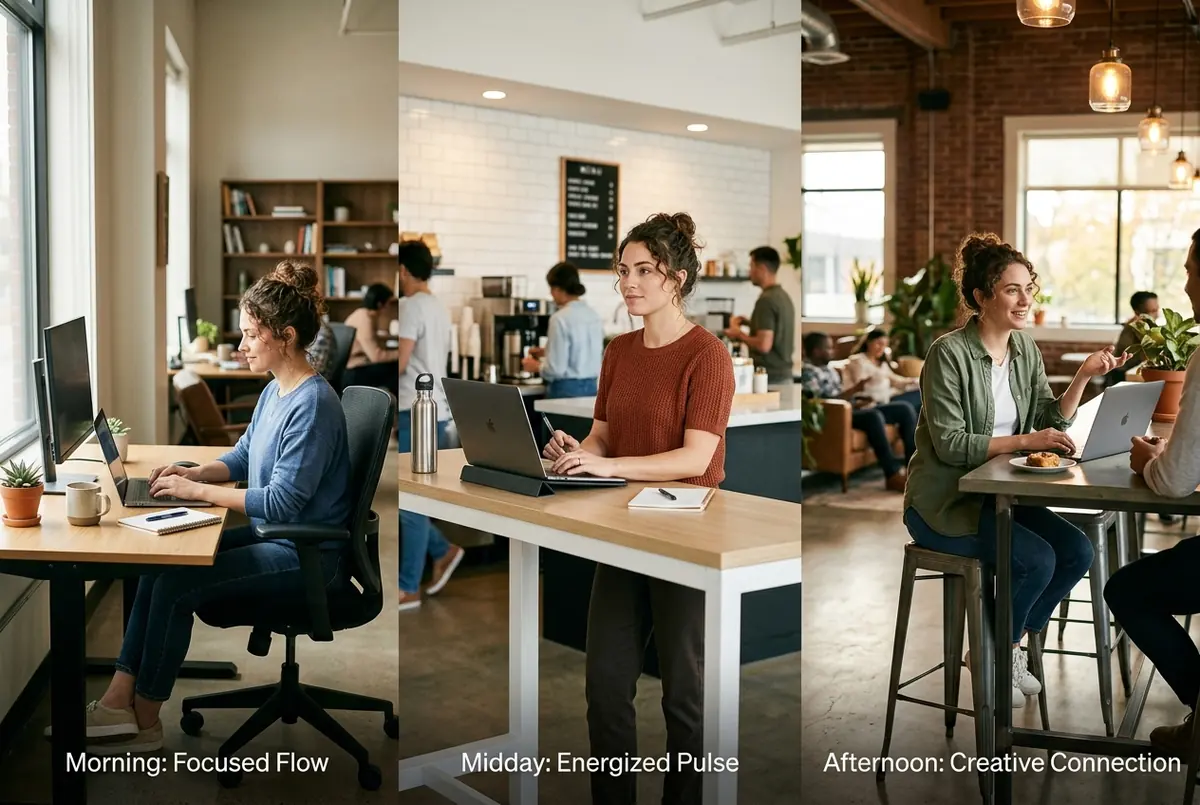
Wellness
Physiotherapy has quietly retired the military-straight ideal. The new consensus fits in one sentence — and changes what you should actually do at your desk.