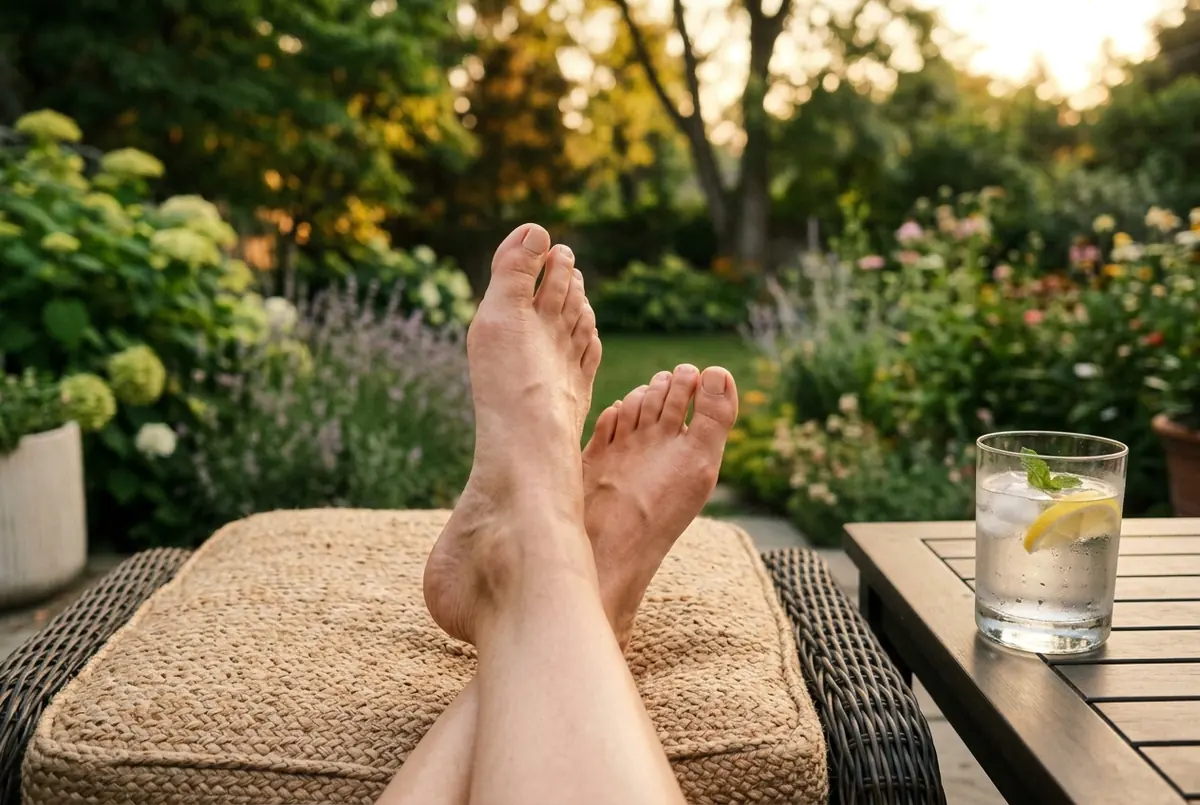
Wellness
Why Ankles Swell in Summer — and Simple Ways to Ease It
Heat physiology and gravity team up on your lower legs every July. The mechanism, the fixes, and the one warning sign that changes everything.
By Emily Carter · September 24, 2026
 Wellness Research Daily
Practical everyday health advice for real schedules — no perfection required.
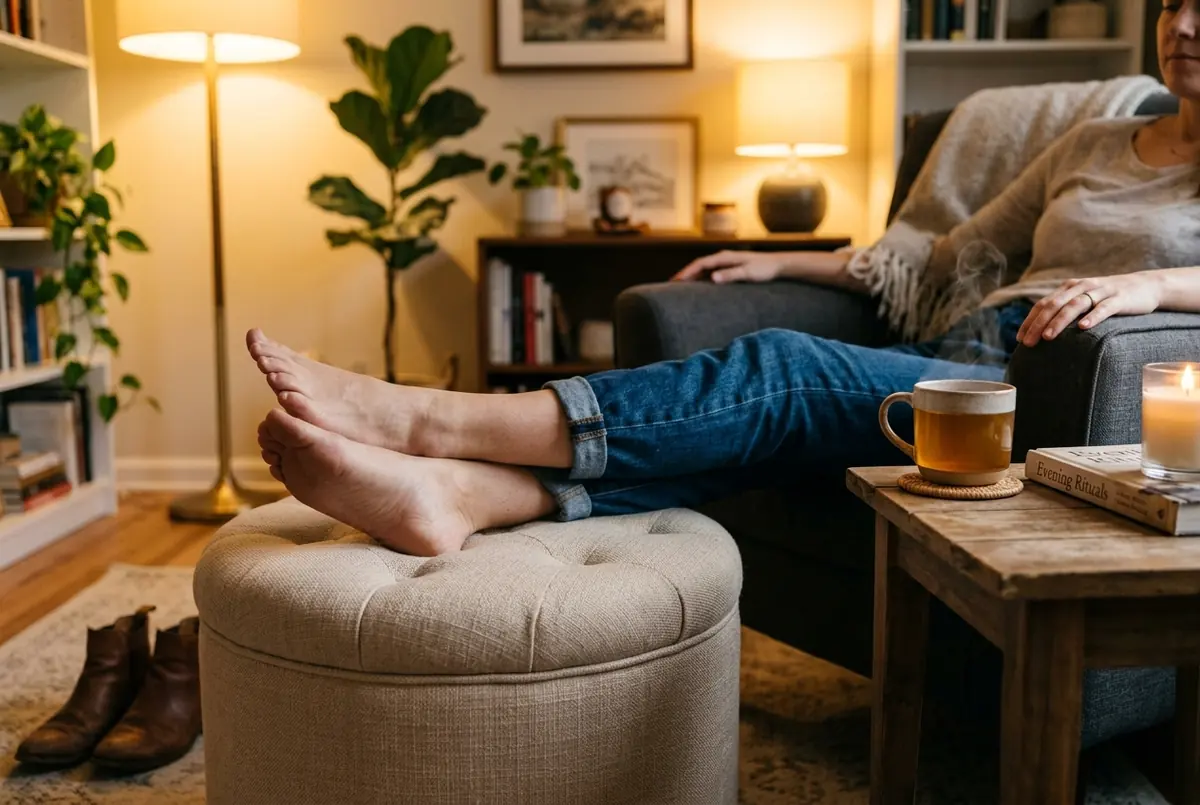
That end-of-day heaviness has a name, a mechanism, and several genuinely effective fixes. A tour of the physiology of tired legs — no lifestyle overhaul required.
Heat physiology and gravity team up on your lower legs every July. The mechanism, the fixes, and the one warning sign that changes everything.

Occupational health research has studied prolonged standing for decades. Here's what it recommends — translated into a practical survival guide for anyone whose job happens on their feet.
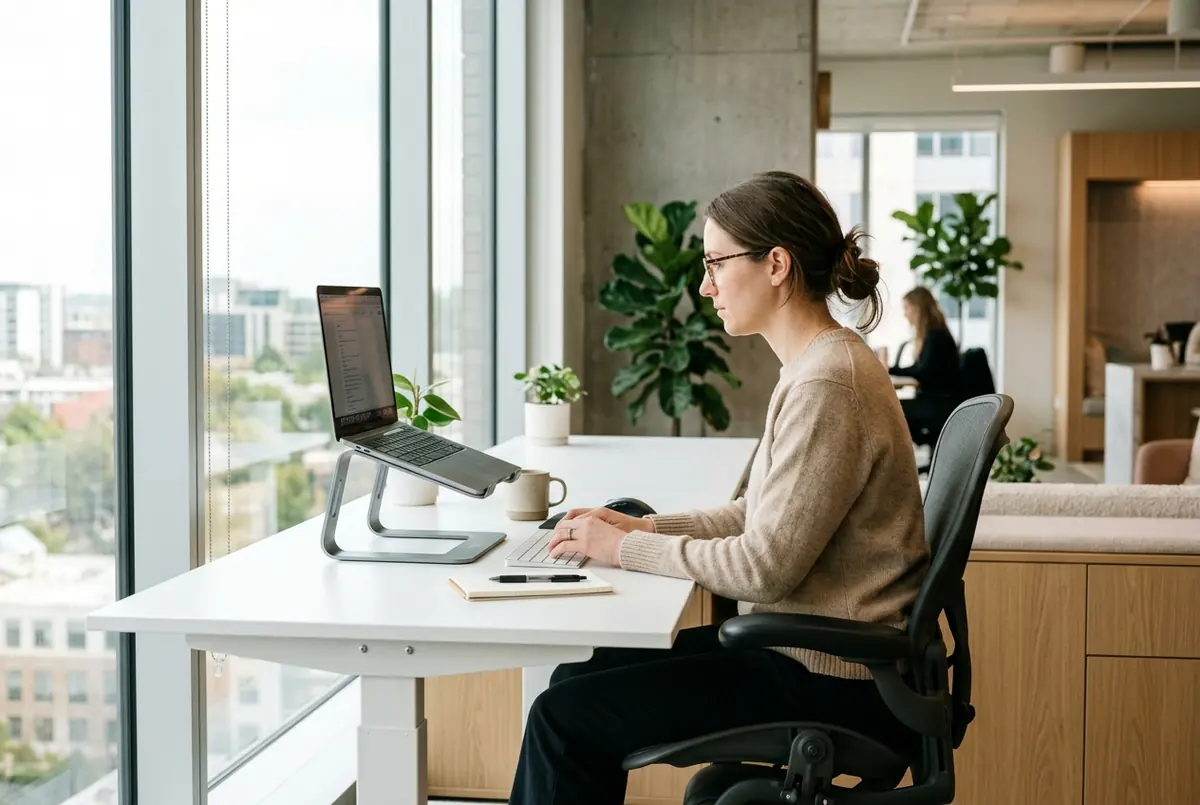
Prolonged sitting is an independent health risk — but experiments show remarkably small interruptions blunt its effects. The evidence, and a realistic protocol.
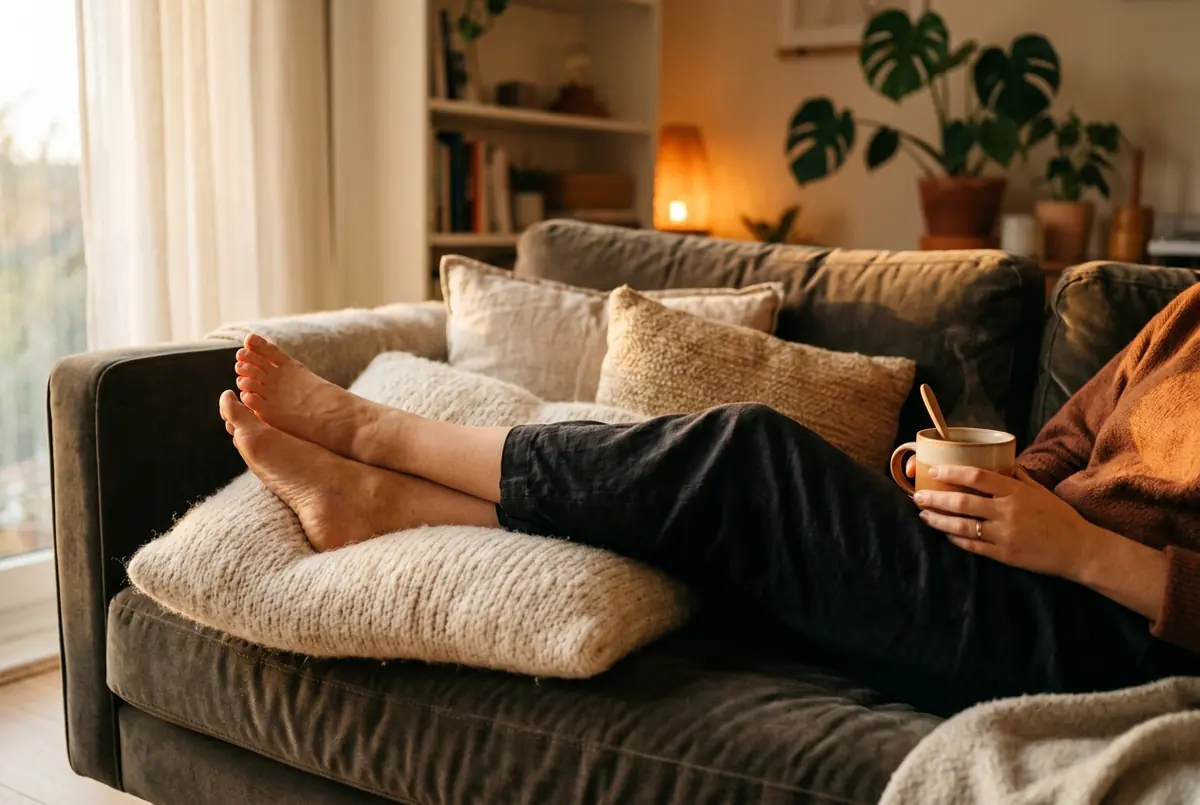
Most leg heaviness and many visible veins are ordinary. Some symptoms are not — and the CDC's numbers on blood clots explain why the distinction matters. A calm field guide.
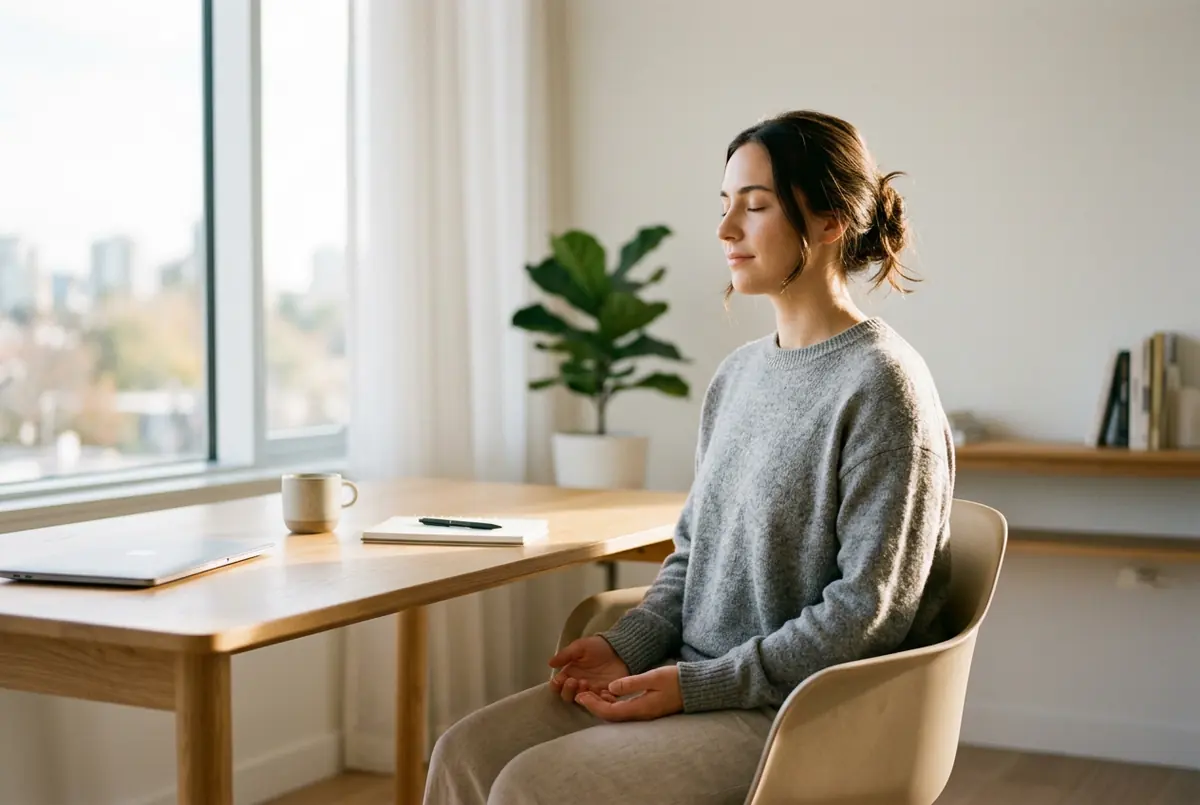
In a randomized study, a simple two-inhale, long-exhale pattern improved mood more than mindfulness meditation. How cyclic sighing works — plus two other techniques worth memorizing.

The commute you lost was also the movement you lost — and the kitchen chair was never meant for eight hours. An ergonomics-guided repair kit for the home office.

No 5 a.m. club, no ice baths, no hour of journaling. Five habits with actual evidence behind them — starting with the one light trick most people never use.

Digital eye strain affects a majority of heavy screen users. The optometrist-invented rule that fights it, what the evidence says, and the fixes that cost nothing.
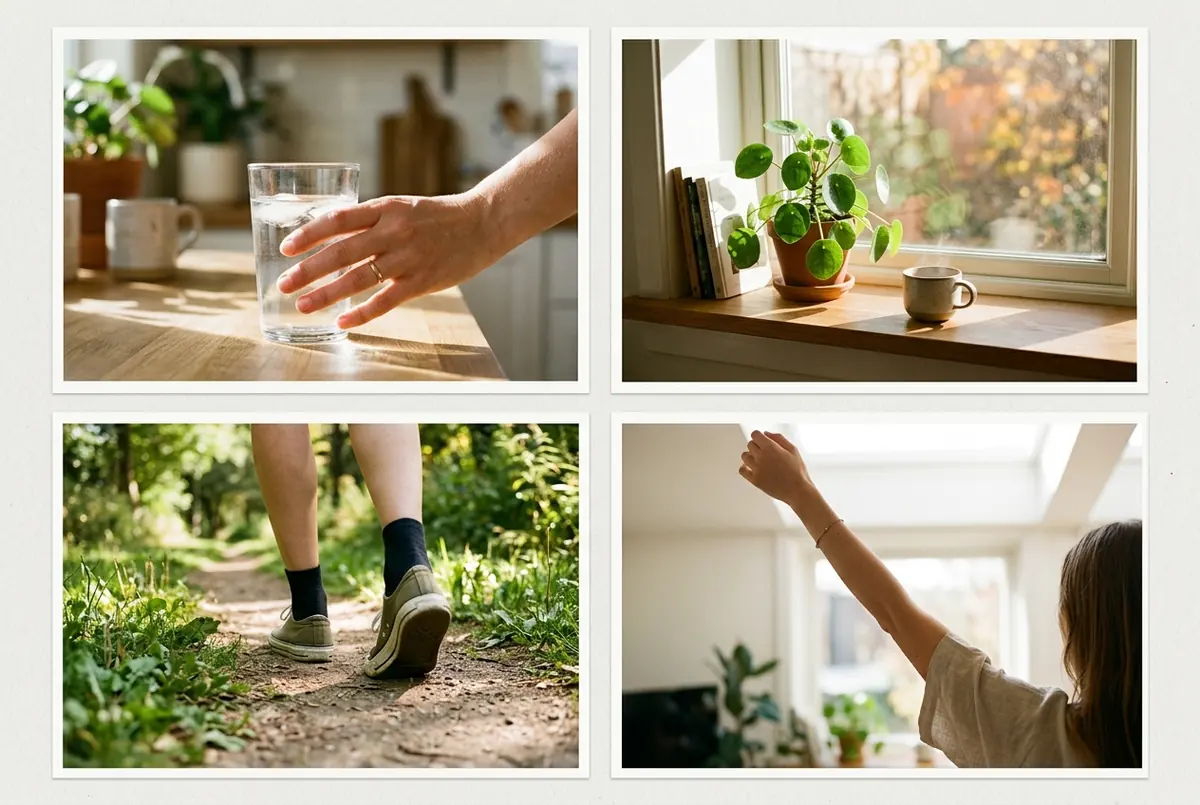
The famous 21-day rule is a myth. A University College London study found habits take about two months to automate — and missing a day doesn't matter. Here's how to invest that time well.

Physiotherapy has quietly retired the military-straight ideal. The new consensus fits in one sentence — and changes what you should actually do at your desk.
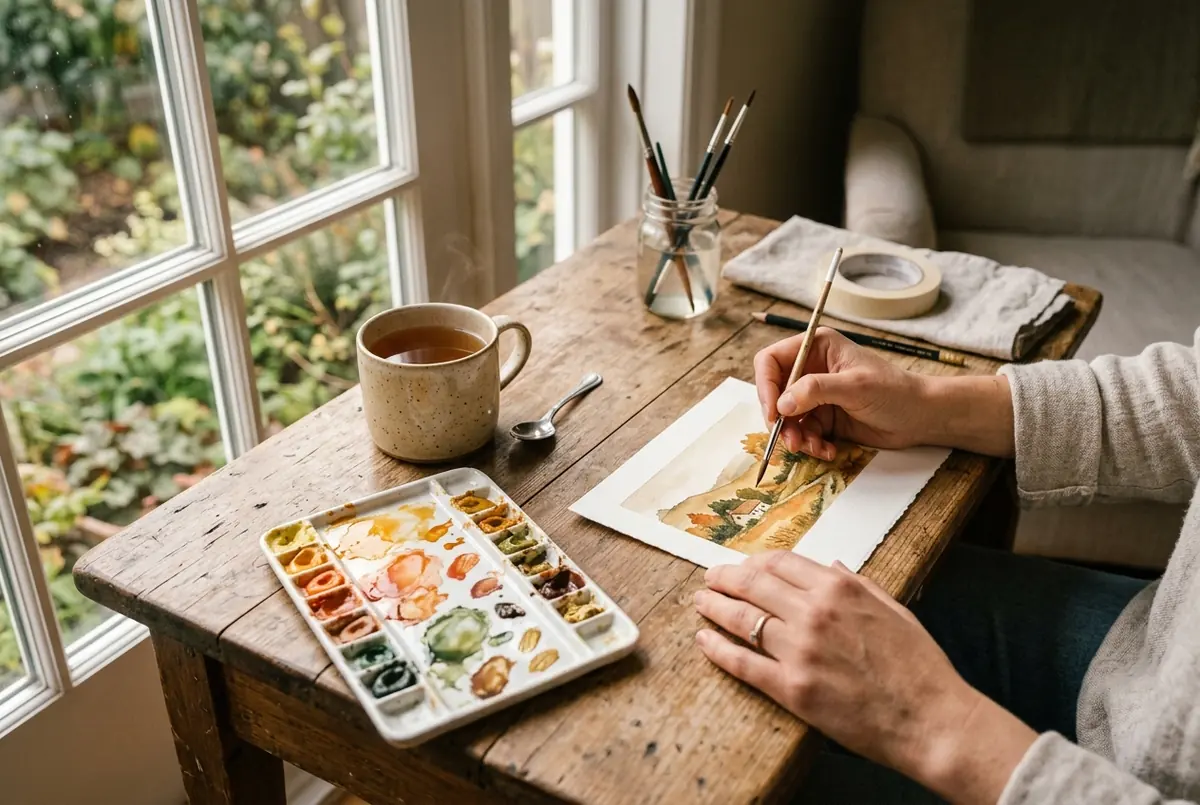
Research across tens of thousands of older adults linked hobby engagement with less depression and higher life satisfaction. The case for taking your pastimes seriously.