The Best Walking Pads for Home Offices — and the Safety Warning to Know First
The under-desk treadmill went from novelty to normal in three years. Here's which ones earn their floor space, what the specs really mean, and the recall worth knowing about.
(Image credit: Wellness Research Daily)
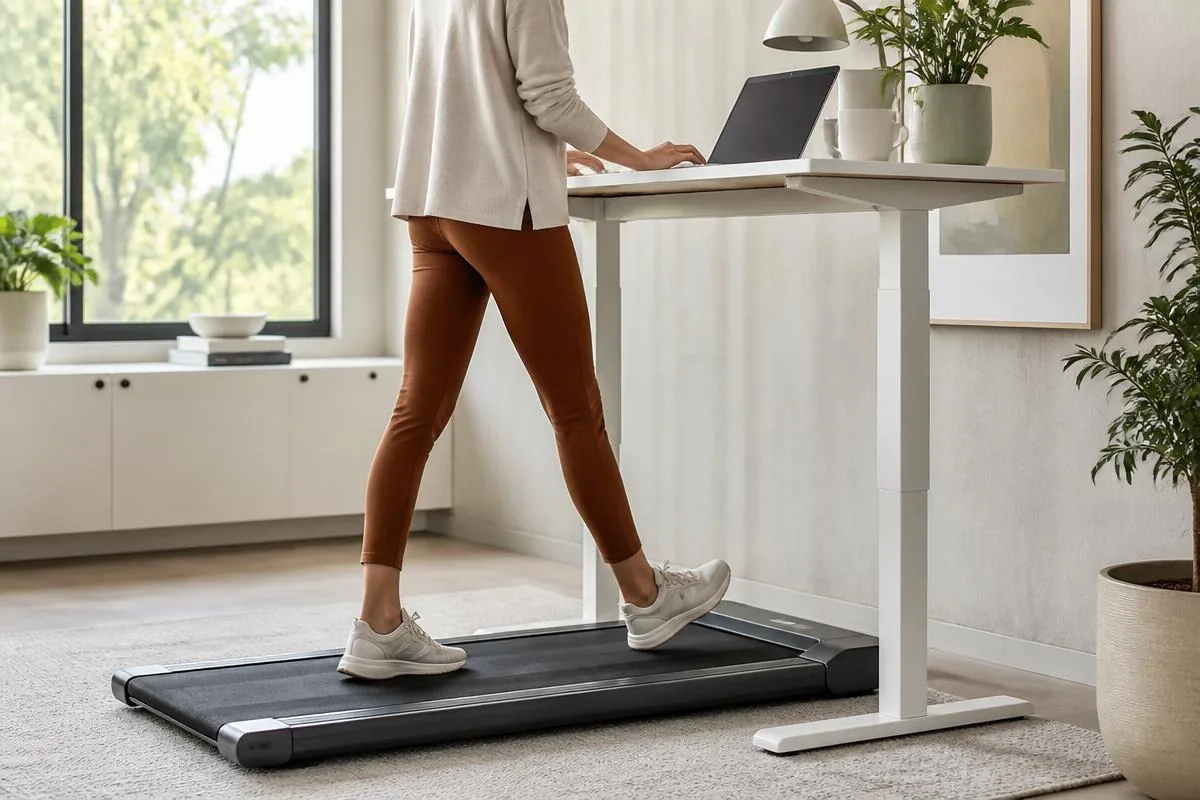
The walking pad — a slim, rail-less treadmill built for slow walking rather than running — has become one of the defining home-office purchases of the decade. For desk workers who watched their step counts collapse with the commute, the appeal writes itself: reclaim thousands of daily steps without reclaiming a minute of the calendar.
The concept genuinely works. The category, however, has a wide quality spread and — as of this year — a safety story worth knowing before you shop. Here's the honest map.
First, the safety note
In 2025, the U.S. Consumer Product Safety Commission warned consumers about several Sperax walking pad models after more than two hundred incident reports including falls, burns, and fire hazards. Whatever brand you buy, the lesson generalizes: this is a motorized appliance you stand on, so buy from established names, register the product, and check CPSC.gov for recalls before and after purchase. Rock-bottom no-name pads are cheap for reasons that occasionally make the news.
1. WalkingPad C2 by KingSmith — the folding original (~$400–500)
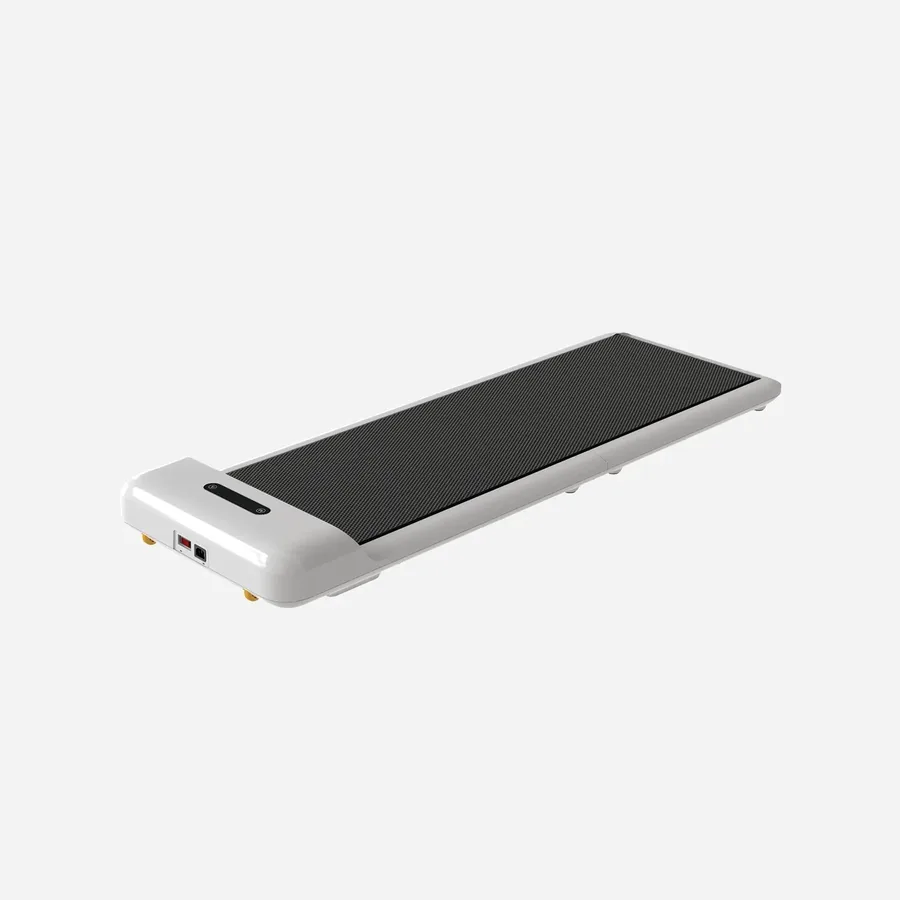
KingSmith essentially invented this category, and the WalkingPad C2 shows the maturity: it folds in half to slide under a sofa, runs quietly enough for calls, and covers the 0.5–3.7 mph range that desk walking actually uses. Build quality and app polish are where the extra money visibly goes, and editors at Forbes and elsewhere keep it atop the foldable class. If the pad will live in a small flat and move daily, this is the one.
2. Urevo 2-in-1 Folding — the value sweet spot (~$180–300)
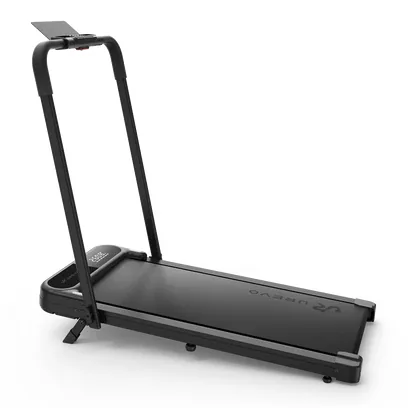
Urevo has become the sensible-middle brand of the category: sturdy decks with a 265-pound capacity, shock-absorbing layers that quiet the footfall, low-profile frames that slide under furniture, and prices that undercut the premium names by half. Reviewers consistently land it just behind the category leaders on refinement and well ahead of the bargain bin on reliability — which is exactly where most buyers should shop.
3. Goplus 2-in-1 — the do-both machine (~$300–400)
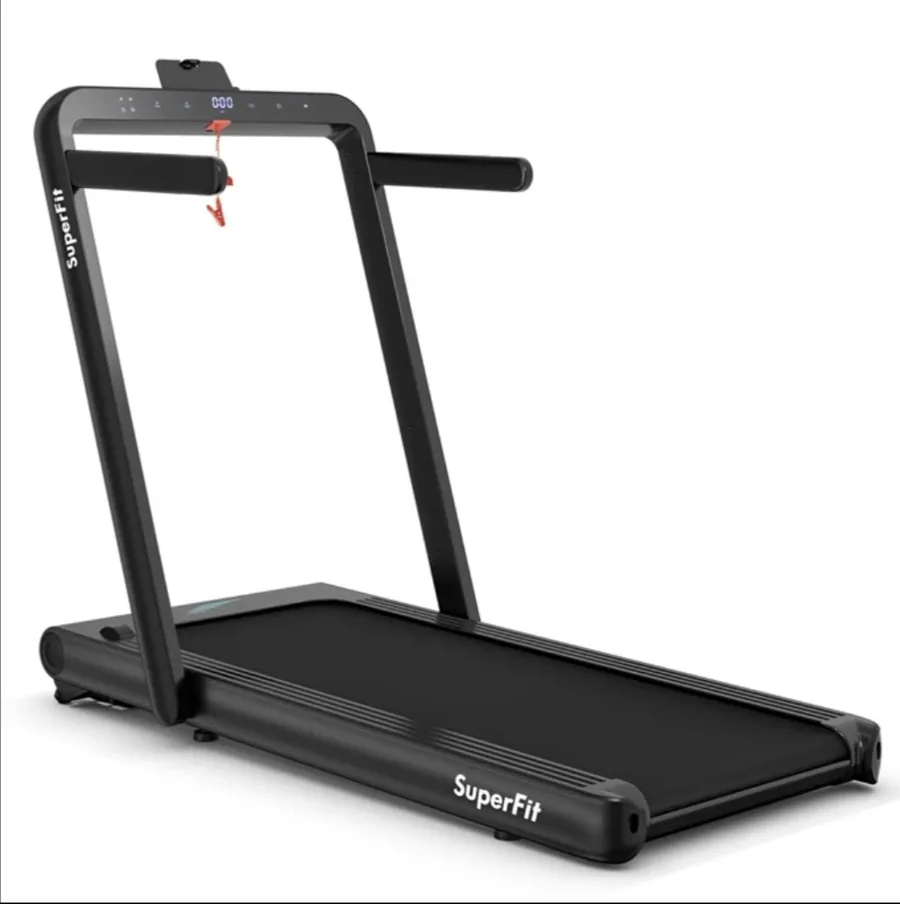
The Goplus earns its roundup wins by covering two jobs: a walking pad under the desk, and — with its folding handrail raised — a light jogging machine up to 7.5 mph. No pad jogs as well as a real treadmill, but if your space allows exactly one machine and your ambitions include the occasional easy run, the versatility is real.
4. GoYouth Under-Desk Treadmill — the quiet budget pick (~$200)
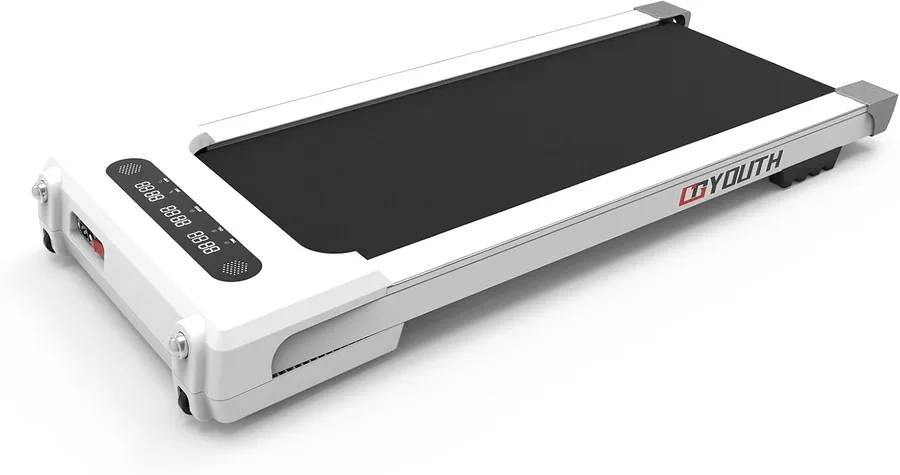
Compact, genuinely quiet, and repeatedly the budget recommendation in the category's roundups, the GoYouth does the core job — steady slow walking while you work — without the frills or the failure rate of the anonymous imports below it. A fine first pad for testing whether the habit sticks.
The specs that actually matter
- Usable belt length. The listing headline is the machine's footprint; what matters is the walking surface. Taller strides need longer decks — cramped gait is tall owners' top complaint, and no setting fixes it.
- Motor headroom. A motor loafing at half capacity runs quiet and lasts; one straining near its max weight rating whines and dies young. Stay comfortably under the stated limit.
- Real-world noise. The difference between a pad you use on video calls and one you don't. Trust user reviews recorded at walking speed over spec-sheet decibels — and a rubber mat underneath is cheap diplomacy with downstairs neighbors.
- Weight and wheels. If it stows daily, you'll lift and roll it hundreds of times a year; every kilogram votes for it staying out, or staying unused.
Making it actually get used
Every abandoned pad failed the same way: friction crept in. The owners logging daily hours run the same playbook — pad lives permanently under the desk, shoes sit within reach, and walking is attached to specific recurring anchors rather than willpower. Every video call at 2.5 mph. Every documentary on the belt. Attached like that, an hour of daily slow walking accumulates without ever feeling like exercise, which is precisely the trick. Speed advice from experience: slower than you think — 2 to 4 km/h is where typing stays accurate.
The bottom line
The WalkingPad C2 for small spaces and daily stowing, Urevo for the best value-to-reliability ratio, Goplus if you want jogging in reserve, GoYouth to test the waters. Check the belt against your legs, the decibels against your calls, and the CPSC list against whatever you buy — then let the anchor habits do what the hardware alone never will.