Sleep
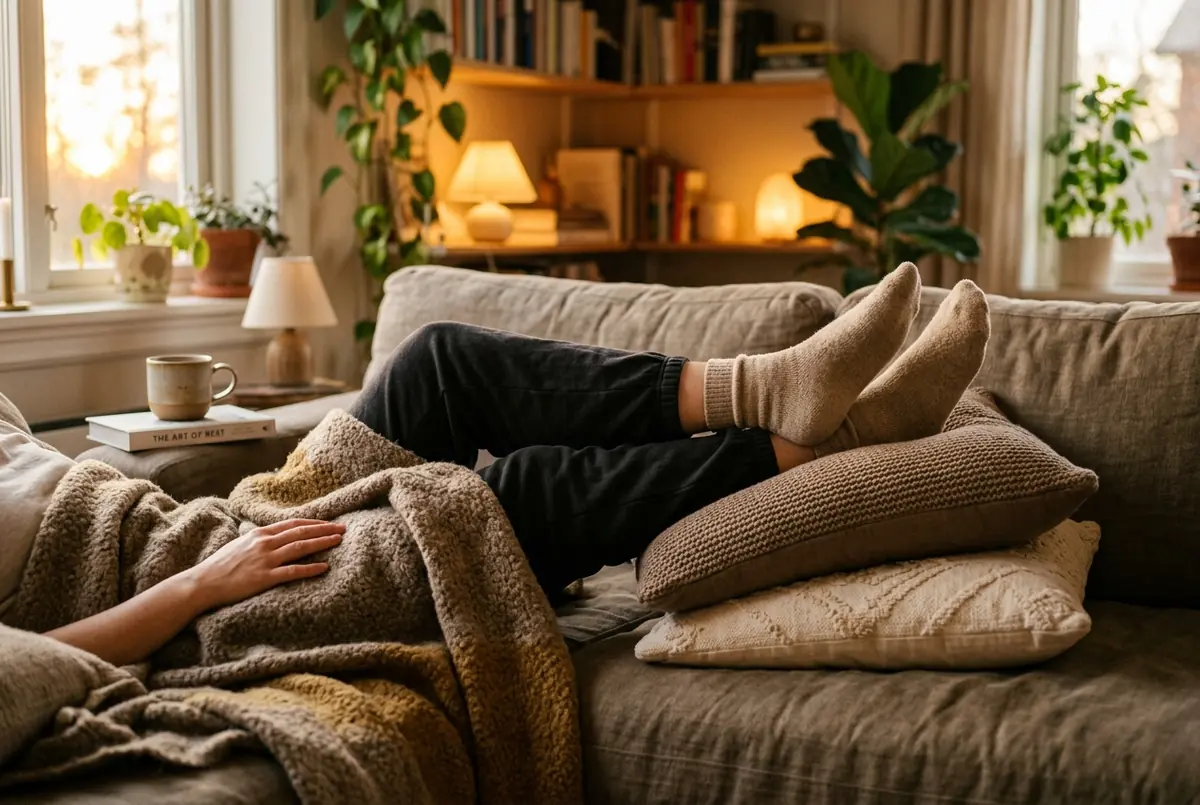
Forget the 40-item checklists. Sleep researchers keep pointing at the same short list. Here it is, in order of leverage — with the science for each.
Sleep
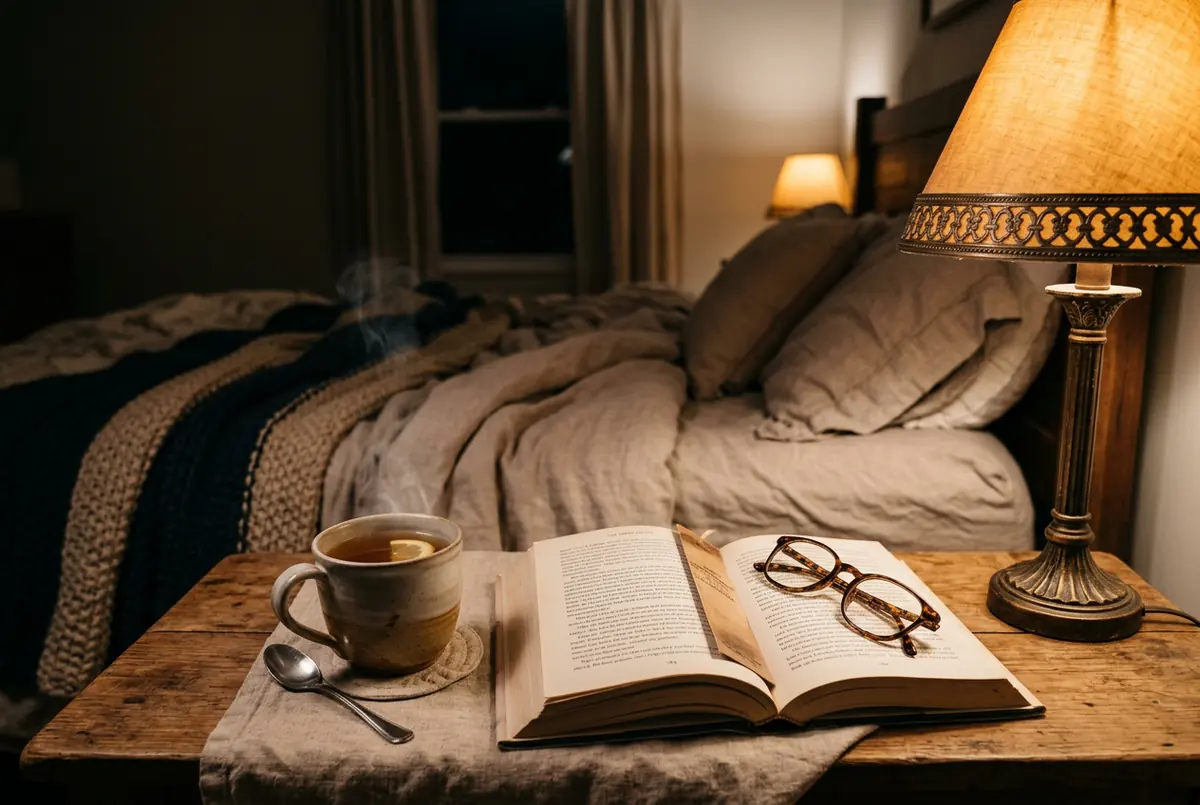
You can't sprint into sleep. A realistic off-ramp for the last half hour of the day — designed around the evidence, no incense required.
Sleep
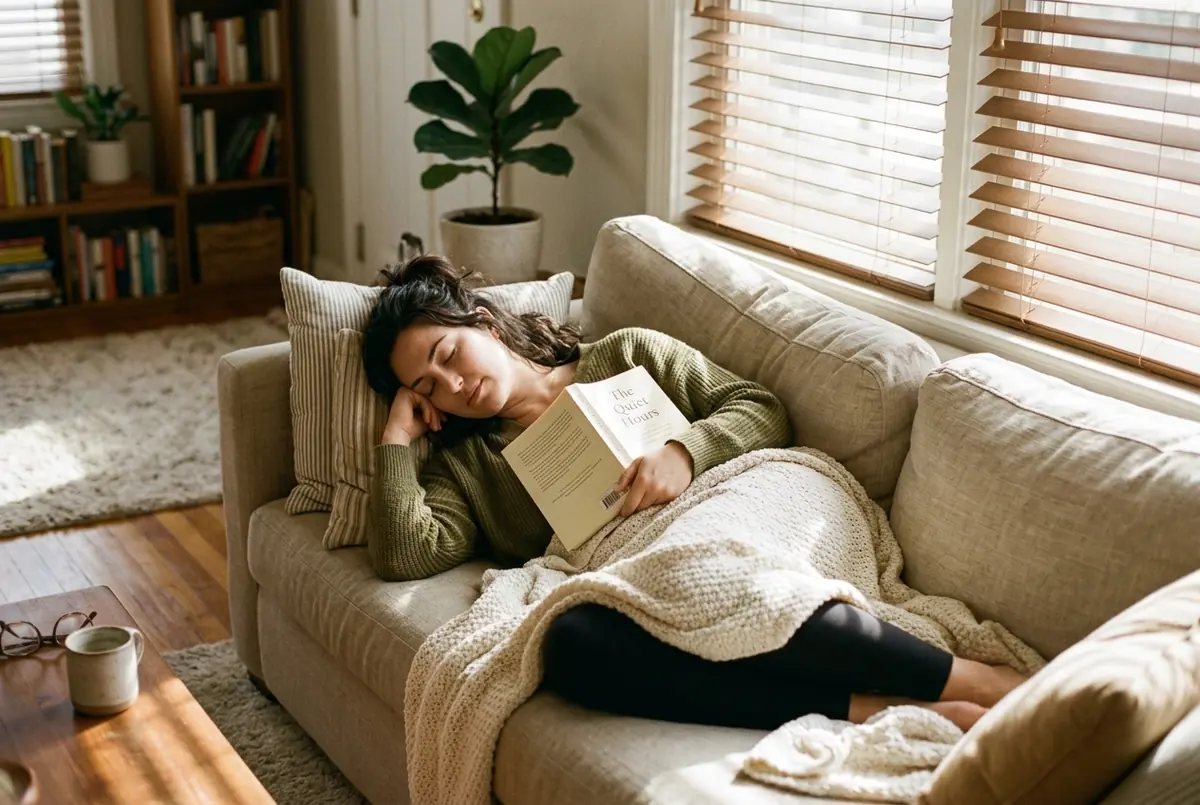
In a NASA study, a 26-minute nap boosted alertness by 54%. But nap wrong and you'll wake feeling worse than before. The two dials that decide everything.
Sleep
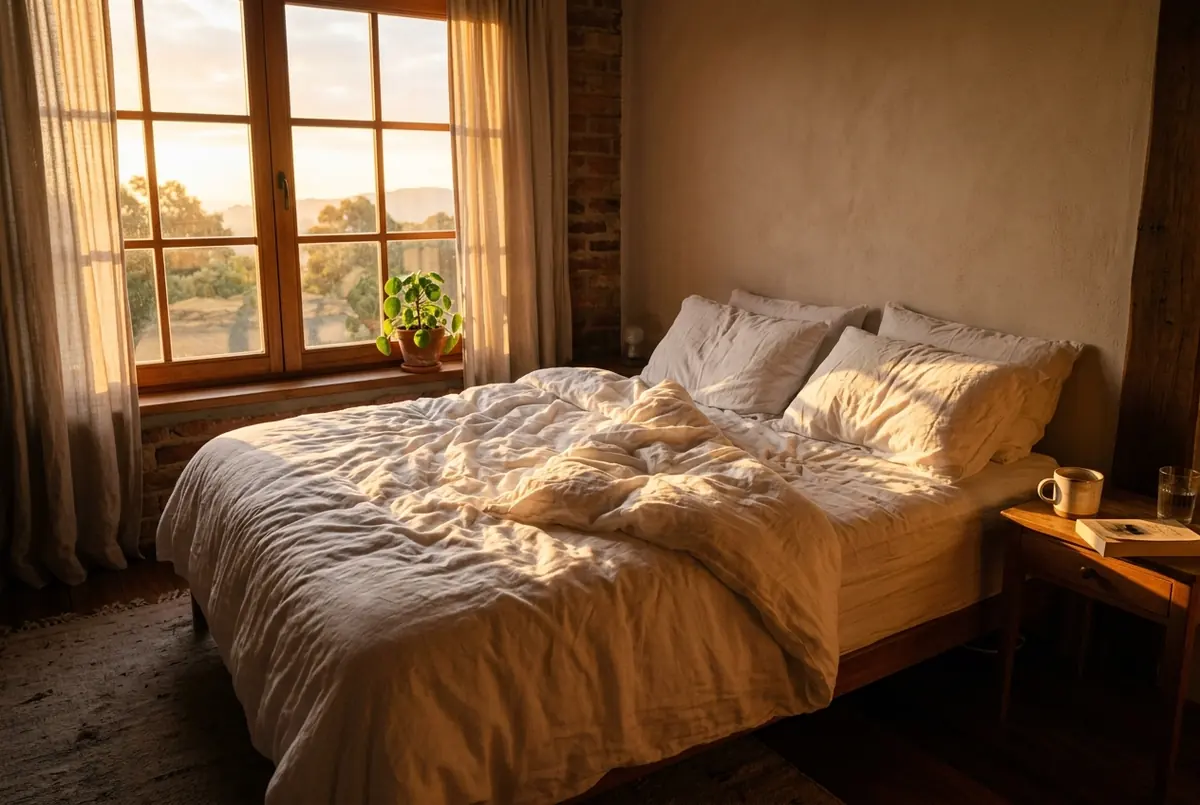
Your circadian rhythm runs on light and anchors far more than sleep. Understanding its rules explains a surprising amount of daily life.
Sleep
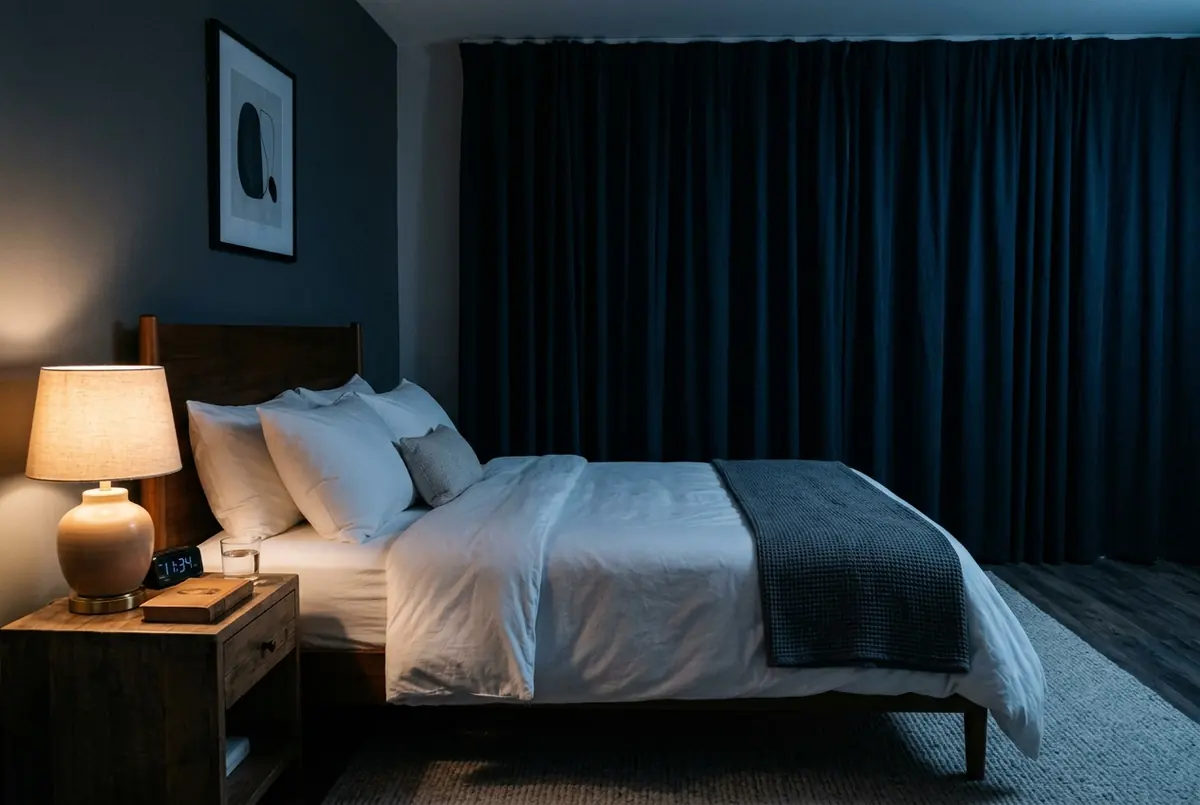
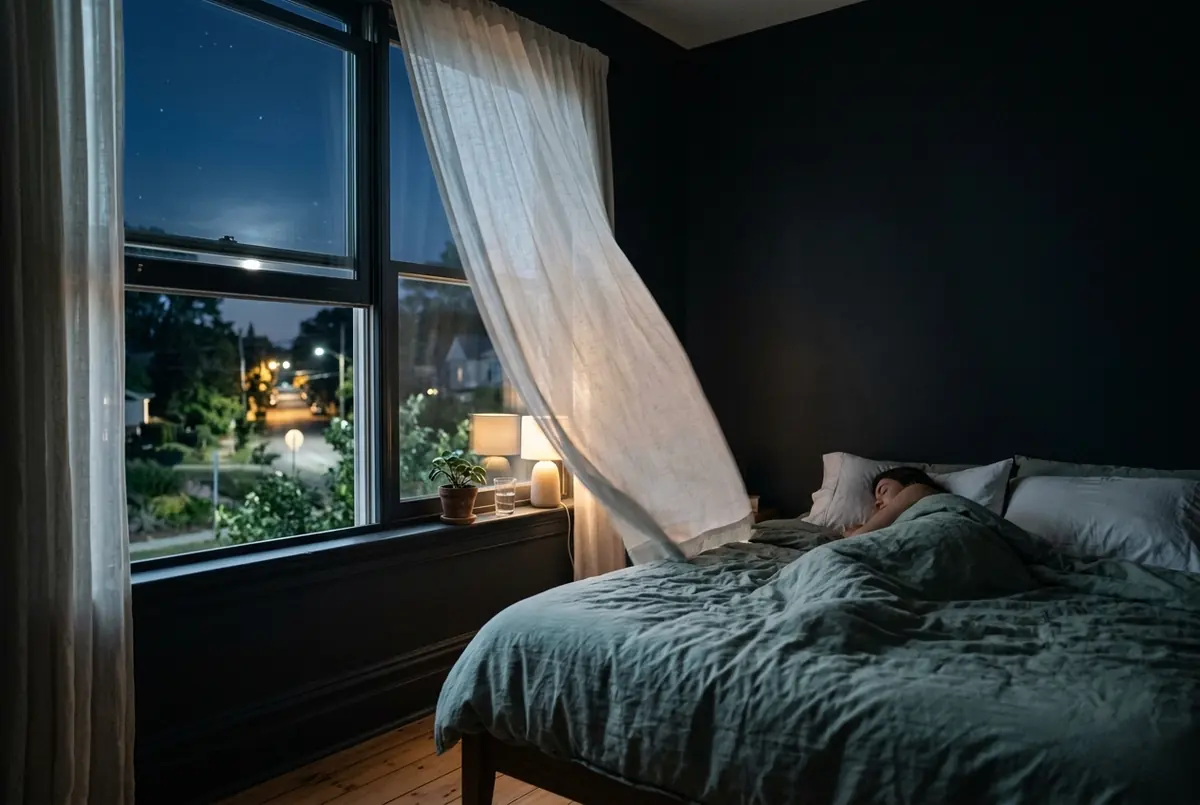
Sleep scientists converge on about 65°F. Most bedrooms run warmer. Here's the physiology — and cheap fixes that don't require a new thermostat.
Sleep
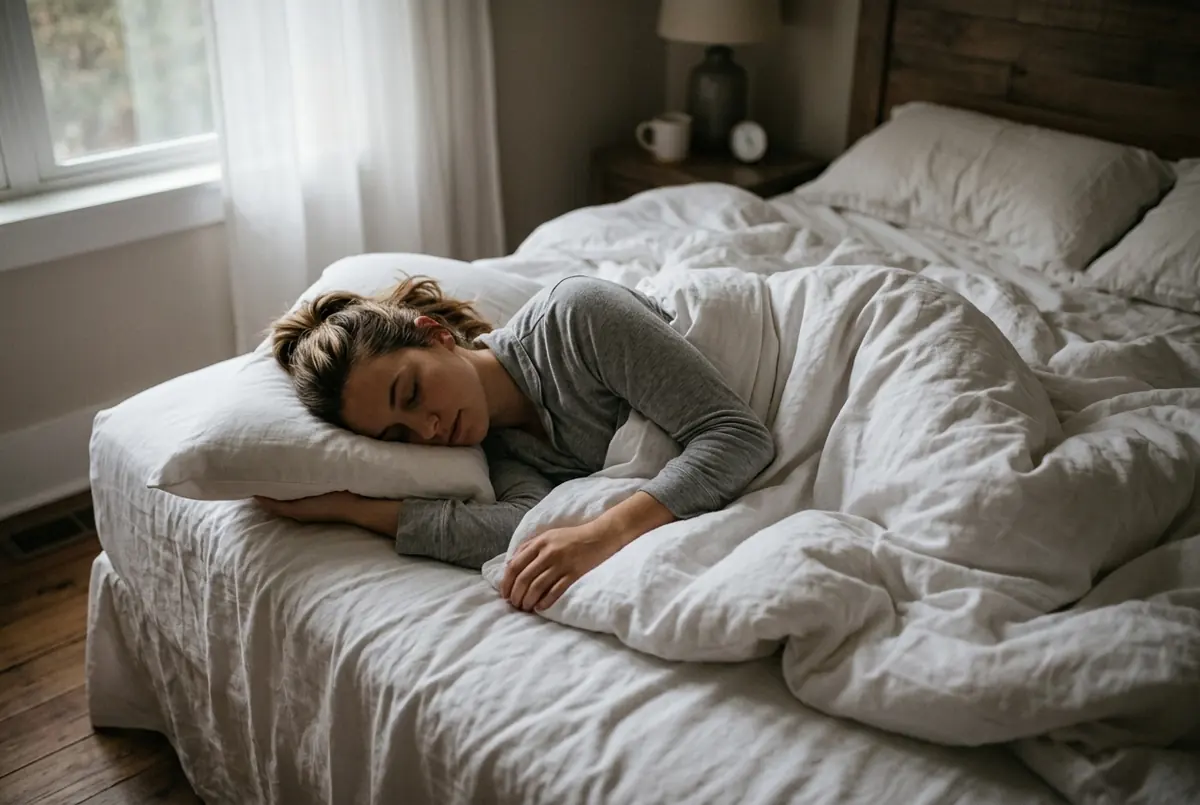
About 60% of adults sleep on their side. Each position has trade-offs — and the right pillow matters more than the right position.
Sleep
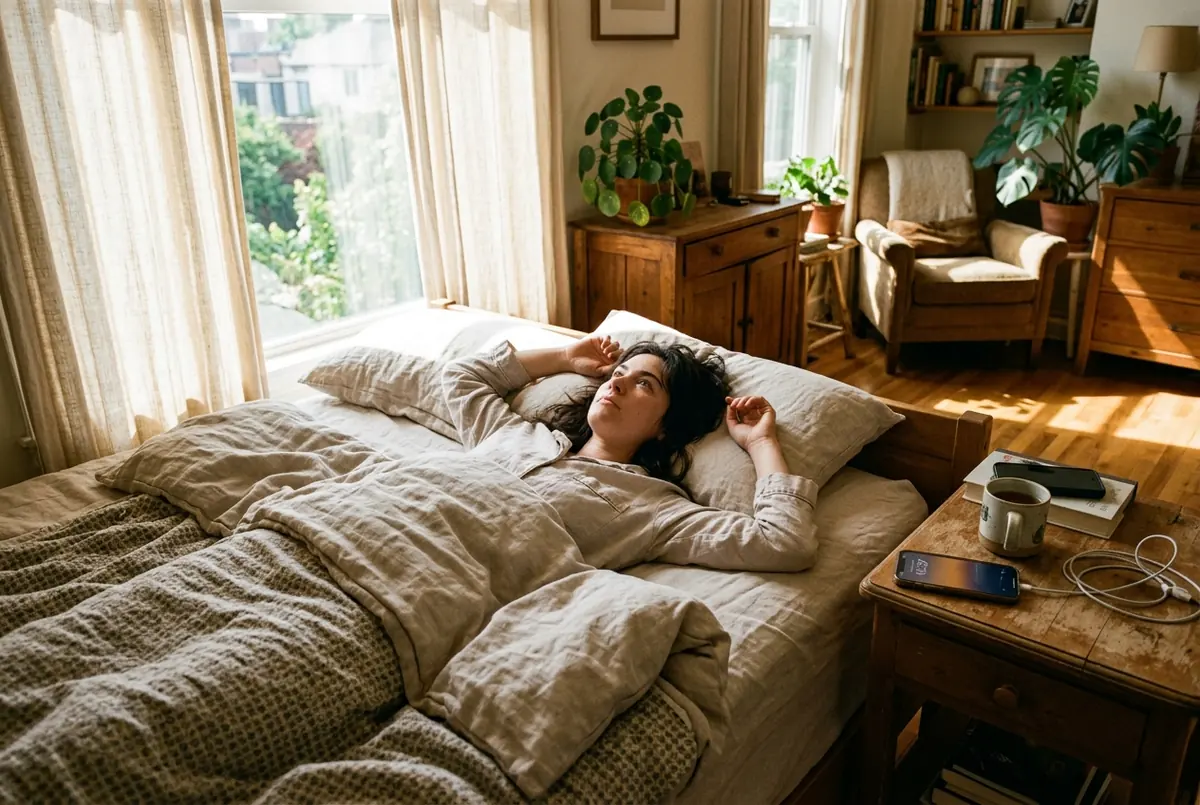
Weekend lie-ins feel like debt repayment. A 2019 study in Current Biology measured what actually happens — and the body's accounting turned out to be less forgiving.