Your Calves Are Circulation Pumps. Three Exercises Keep Them Running.
Physiologists call them the 'second heart.' When calf muscles idle, blood pools in your legs. Three minimal exercises — zero equipment — keep the system moving.
(Image credit: Wellness Research Daily)
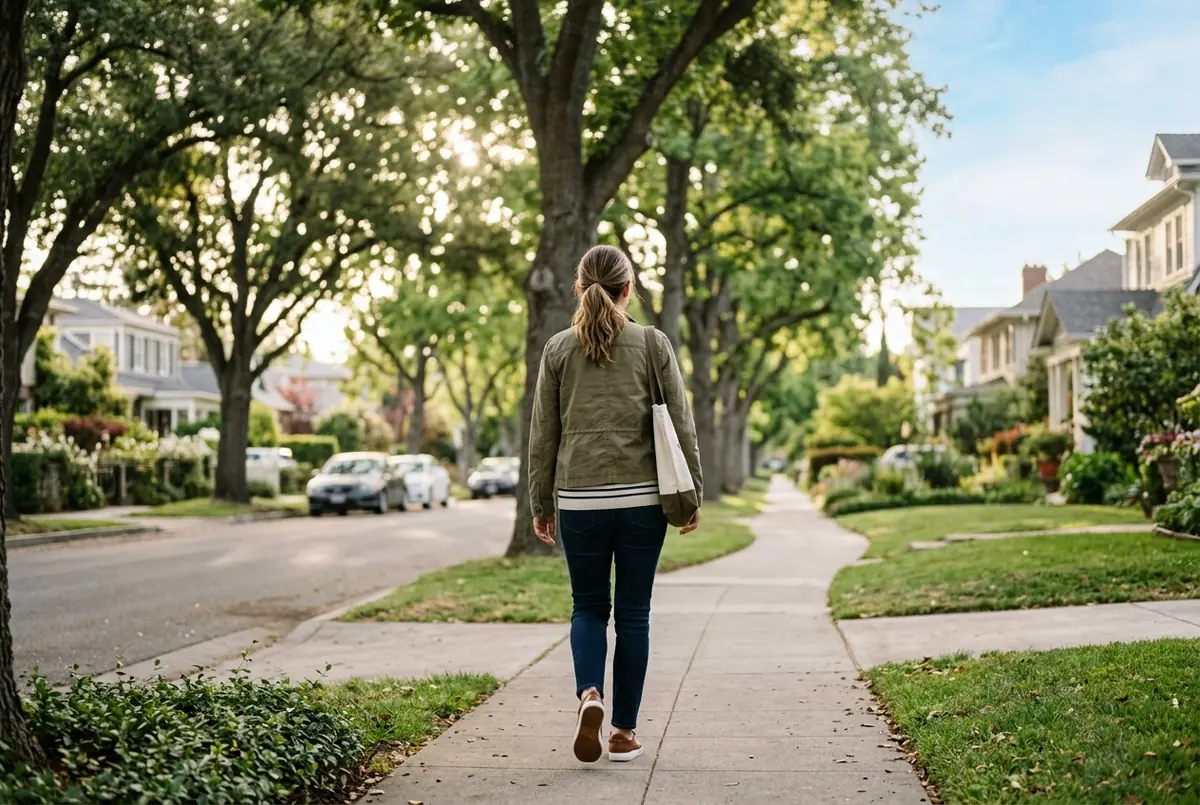
The calf muscles hold a second job title that rarely makes fitness content: they're sometimes called the body's "second heart." Every contraction squeezes the deep veins of the lower leg and pushes blood back upward against gravity, through a series of one-way valves. When calves move — walking, climbing, even fidgeting — the return plumbing runs. When they idle through hours of sitting or still standing, circulation slows and legs collect that heavy, puffy end-of-day feeling that so many people accept as normal.
The fix is almost embarrassingly small — and frequency matters far more than intensity.
The big three
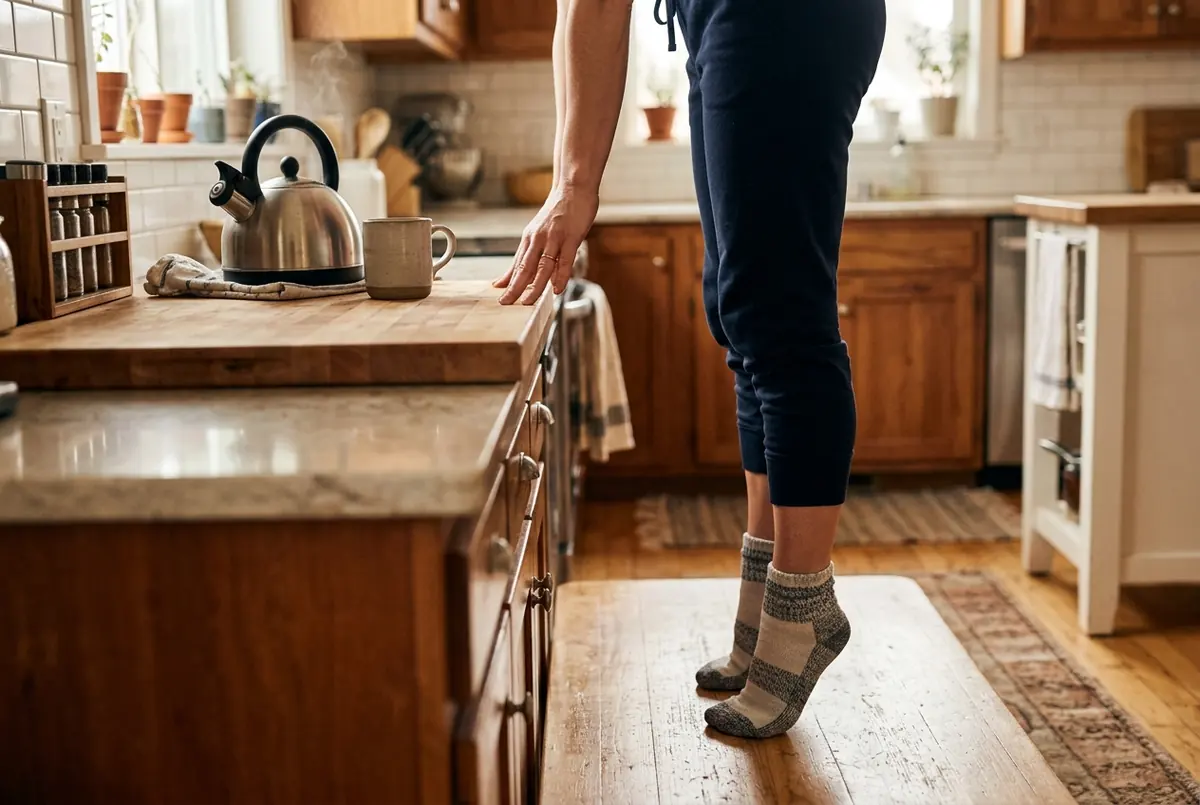
- Heel raises. Rise onto the balls of your feet, pause at the top, lower with control. Fifteen to twenty repetitions, anywhere you're standing — kettle, printer, queue, bathroom. The single most efficient calf-pump exercise there is: every rise compresses the deep calf veins and pushes blood upward.
- Ankle circles and pumps. Seated: lift one foot slightly, circle the ankle slowly five times each direction, then pump the foot up and down (toes up, toes down) a dozen times. Completely invisible under any desk. This is exactly the exercise airlines print on seat-pocket cards, because sitting in a cramped space with idle calves is the flight version of the same problem.
- Toe raises. Heels planted, lift the toes and forefeet off the ground, lower, repeat. Works the anterior tibialis — the front of the shin — balancing the heel raises and providing its own pump action. Doubled as the world's least detectable meeting activity.
Dosing: frequency beats intensity
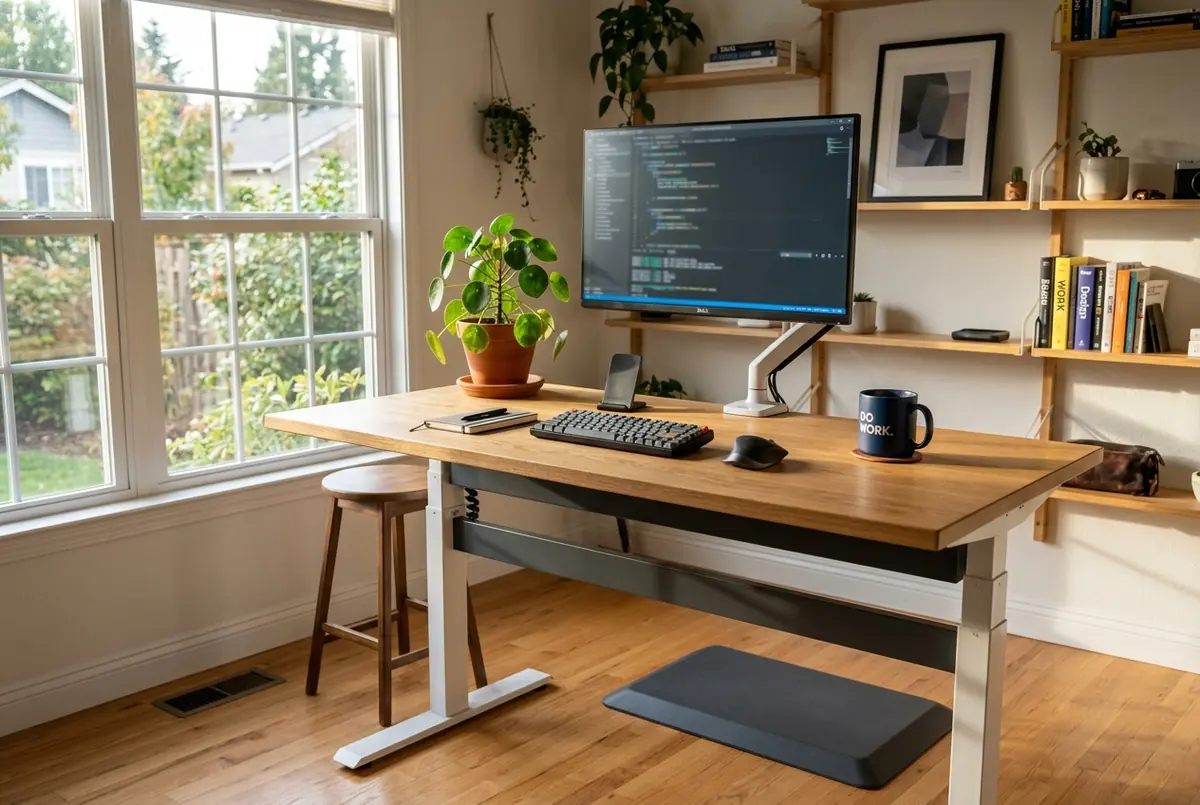
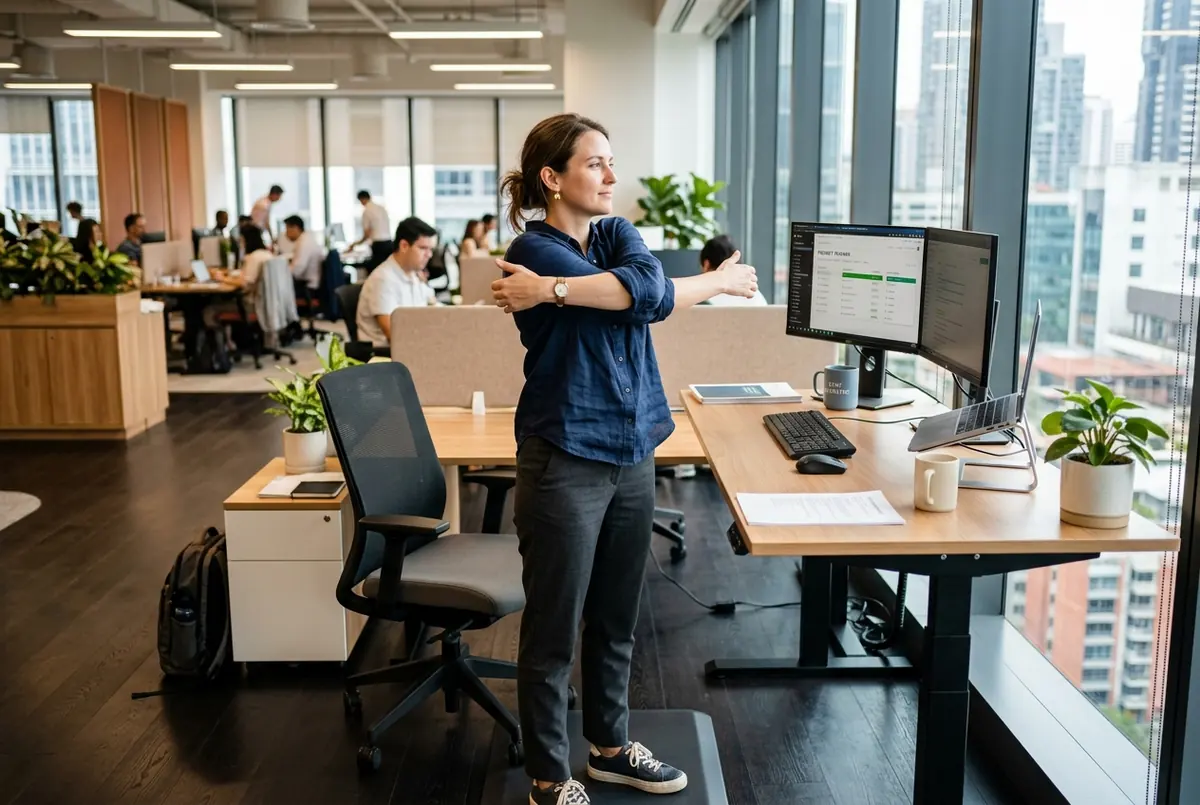
The goal isn't training the calves — it's running the pump regularly. Little-and-often dramatically outperforms a single end-of-day session after the pooling has already happened. A set every 45–60 minutes of sitting, or scattered through a standing shift, keeps the return flow running before congestion accumulates. Think of it as rebooting the pump rather than working out the muscle.
Stack the deck
Calf work pairs naturally with the rest of the leg-comfort toolkit: walking breaks (every step is a pump cycle), evening elevation (gravity refunds what the day charged), and graduated compression socks on the longest days — external support for the same return traffic the muscles drive from within. Compression works the outside, movement works the inside, and together they address the single mechanism behind most end-of-day leg heaviness.
The flag, as always
Pain, one-sided swelling, warmth, or redness are different from tired-heavy legs and belong with a doctor, not an exercise list. For the common, both-sides, gone-by-morning version: pump the calves, elevate the feet, support the system — and let the second heart do the job it was built for.