
Why Strength Training Matters More After 40 — and the CDC Agrees
Adults lose 3–8% of muscle mass per decade after 30. The CDC recommends resistance training twice a week to slow it. Here's how to actually start.
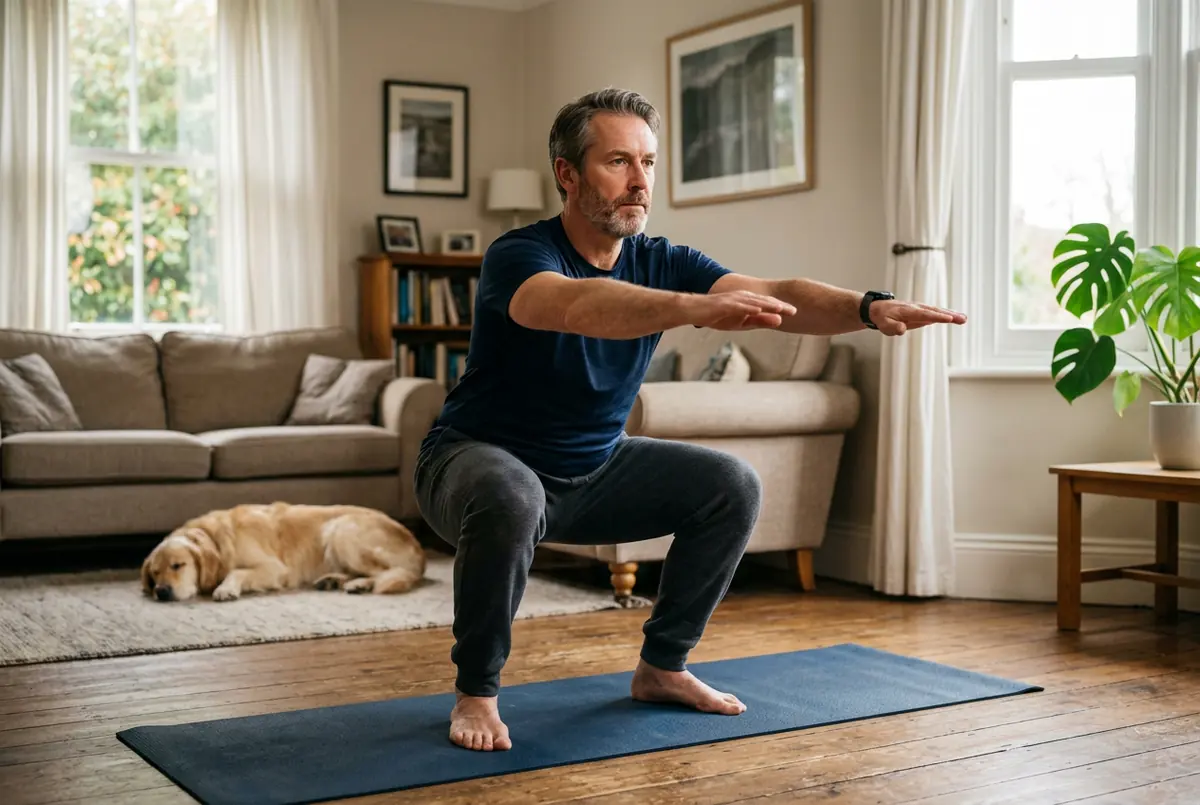
(Image credit: Wellness Research Daily)
Somewhere after 40, the body changes its default setting: muscle mass and strength, left unattended, begin a slow drift downward — a process called sarcopenia that accelerates with each passing decade. The numbers are sobering: research estimates adults lose approximately 3 to 8 percent of muscle mass per decade after age 30, with the rate accelerating after 60.
The consequences are less about aesthetics with each year and more about function: harder stairs, warier balance, groceries that seem heavier without changing weight, higher fall risk, and a metabolic shift as the body's most metabolically active tissue quietly shrinks.
The good news is equally well-established: resistance training interrupts the drift at essentially any age.
What the guidelines say
The Physical Activity Guidelines for Americans — endorsed by the CDC, reflecting WHO and ACSM consensus — recommend muscle-strengthening activities on two or more days per week, targeting all major muscle groups. This is the same guideline given to 25-year-olds, but for adults over 40 it shifts from nice-to-have to arguably the highest-return exercise investment available.
Why muscle is worth keeping
Beyond the obvious strength and mobility benefits, muscle is metabolically active tissue that supports blood-sugar regulation — contracting muscle fibers take up glucose from the bloodstream without needing insulin, which is why resistance training features in diabetes-prevention research. Muscle protects joints by absorbing impact, underwrites balance and fall resistance, and associates in longitudinal studies with better long-term health outcomes across the board. Strength is insurance; it's just paid in reps rather than premiums.
What starting actually looks like
Far less than the industry implies. The evidence-backed minimum effective dose is modest:
- Two sessions per week, 25–35 minutes each
- One exercise per major movement pattern: a push (wall or incline push-ups), a pull (band rows), a squat (chair-assisted or bodyweight), a hinge (Romanian deadlift with dumbbells or a kettlebell), a carry (heavy bag, farmer's walk)
- Two to three sets each, stopping a couple of reps short of failure
- Progress by small increments — one more rep, a heavier band, a kilo on the dumbbell — and let weeks do the compounding
Equipment can be as simple as a resistance band set and a pair of adjustable dumbbells at home. A gym is an option, not a requirement.
The mindset shift
Start easier than pride suggests. The first weeks are about tendons, joints, and habit — not heroics. Delayed-onset soreness is normal and fades as the body adapts; sharp or joint-located pain is a signal to adjust. Anyone with existing health conditions or coming from long inactivity should consult their doctor first — and then, cleared, begin.
Muscle responds to resistance training at 45, at 65, at 85. The evidence on this is unambiguous: older adults gain strength proportionally to younger ones when training is appropriate and consistent. The tissue is simply waiting to be asked, and the asking gets no easier by postponing it.
The bottom line
Two sessions a week, basic movements, modest equipment, gradual progress. The CDC doesn't put it on billboards the way it does step counts, but the recommendation is clear — and for midlife adults, strength training may be the single highest-leverage exercise habit there is. Start before the stairs start mattering.