
Posture Isn't About Sitting Up Straight — Here's What Modern Science Says Matters
Physiotherapy has quietly retired the military-straight ideal. The new consensus fits in one sentence — and changes what you should actually do at your desk.
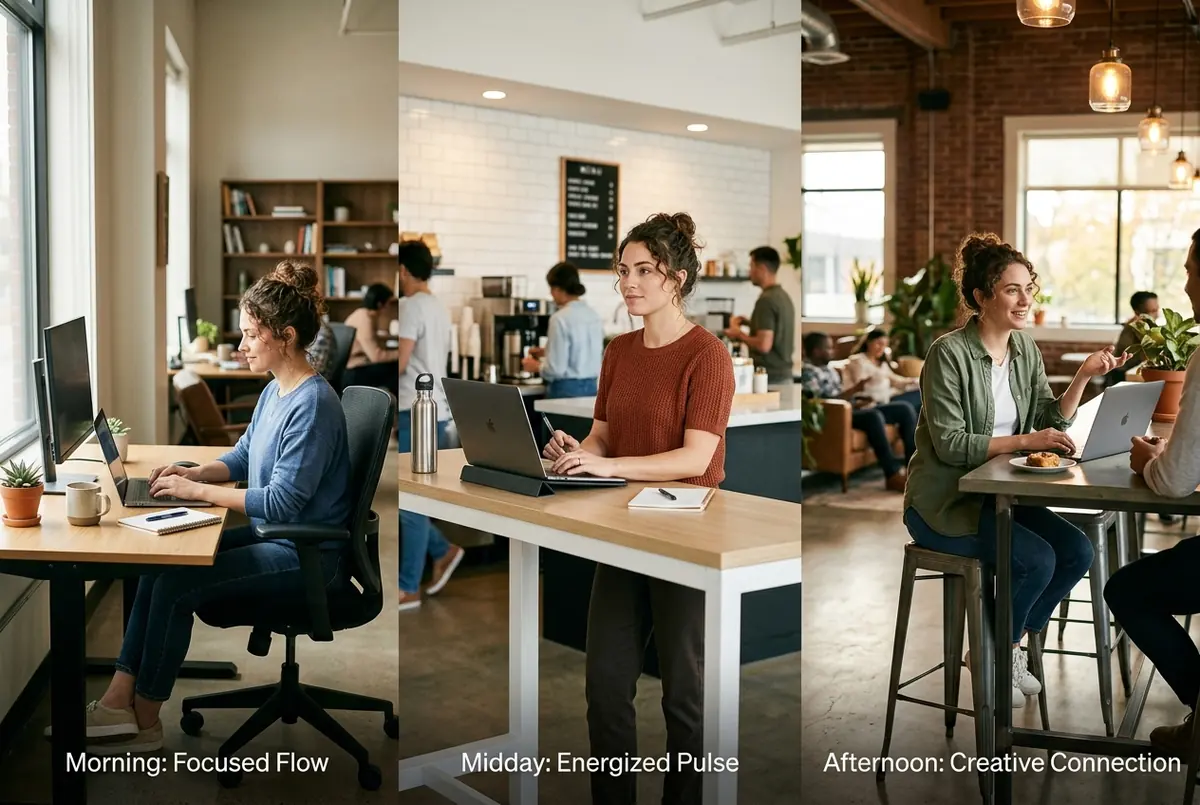
(Image credit: Wellness Research Daily)
Generations were taught that good posture means one thing: shoulders back, spine straight, hold it — and feel guilty when you inevitably don't. The modern understanding among physiotherapists and ergonomics researchers is friendlier and far more useful: there is no single correct posture, the spine is built to move through many positions, and trying to freeze yourself into one “perfect” shape is itself part of the problem.
The field's favorite summary fits on a sticky note: the best posture is your next posture.
Why the statue model failed
Research kept failing to find what the old model predicted. Studies comparing people's habitual postures to their pain found far weaker links than expected — slouchers weren't reliably the ones hurting, and the upright weren't reliably spared. What does correlate with discomfort, consistently, is duration: any position, including textbook-perfect ones, held too long. Muscles fatigue holding static positions; tissues like variety and blood flow. A few minutes of relaxed slouching is fine. Three motionless hours of anything is the issue.
This reframing is liberating in a practical way: the goal stops being discipline and becomes variety. Fidgeting, repositioning, reclining, perching — the restless habits you were told off for — turn out to be closer to what backs actually want.
What's genuinely worth fixing
Position variety does the heavy lifting, but a few setup factors stack the deck, and ergonomics guidance is consistent on them:
- Screen height. A monitor below eye level pulls your head forward and down, and your neck pays by the hour — the top of the screen belongs at or just below eye height, roughly an arm's length away. Raising a laptop on a stand (with separate keyboard) fixes more “posture problems” than any amount of willpower.
- Chair support. You shouldn't be working to sit: backrest supporting the lower back, feet resting flat or on a support, elbows near desk height. Set it once, then forget about it — the chair's job is making many positions comfortable, not enforcing one.
- Phone habits. The head-down phone hunch is modern life's single biggest posture load, hours of it daily for most people. Raising the phone toward eye level, or simply shortening the sessions, outweighs most other interventions.
Strength: the quiet variable
Postural endurance comes from muscles, not morals. A back, core, and shoulders with basic strength hold comfortable positions without effort or thought — which is why the most effective “posture exercise” looks nothing like posing. Rows, gentle back extensions, carrying groceries the long way: unfashionable basics that make every position cheaper to hold. This also explains a common experience: posture that collapses at 3 p.m. isn't a character flaw, it's fatigue, and it trains away.
The cue that actually works
When you notice discomfort, the useful response isn't “straighten up” — it's “change something.” Stand, stretch tall, roll the shoulders, lean back, walk to the window. Movement is the correction. Set up the desk decently, build a little strength, and then let yourself move like the restless animal you are. Your spine doesn't want a drill sergeant. It wants a playlist with some variety on it.