The Best Foam Rollers for Every Body (and Budget)
From the $15 slab to the trainer-room favorite: which roller to buy, how to use it without wincing, and what rolling honestly does.
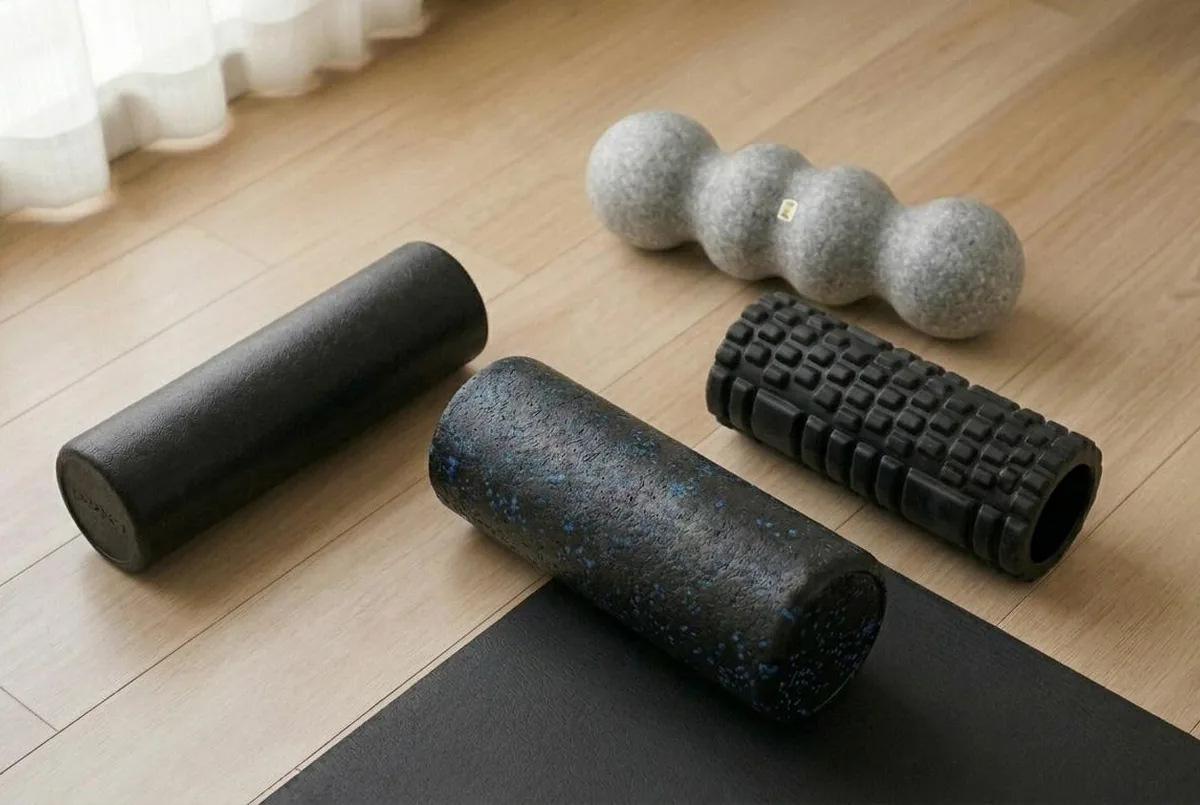
(Image credit: Wellness Research Daily)
Foam rolling occupies a funny place in the wellness world: beloved by athletes, prescribed by trainers, dismissed by skeptics, and sold in a dozen confusingly similar varieties. Strip away the debated theories and rolling is self-massage — sustained, movable pressure applied with your own body weight. What users reliably report, and research broadly supports, is temporary relief of tightness, less soreness after hard training or long sitting, and freer-feeling movement for a while afterward. That's a genuinely useful package from an object that costs less than a gym day-pass and lives under the sofa.
Here's what to buy, depending on who you are.
1. TriggerPoint GRID — the trainer-room standard (~$35)
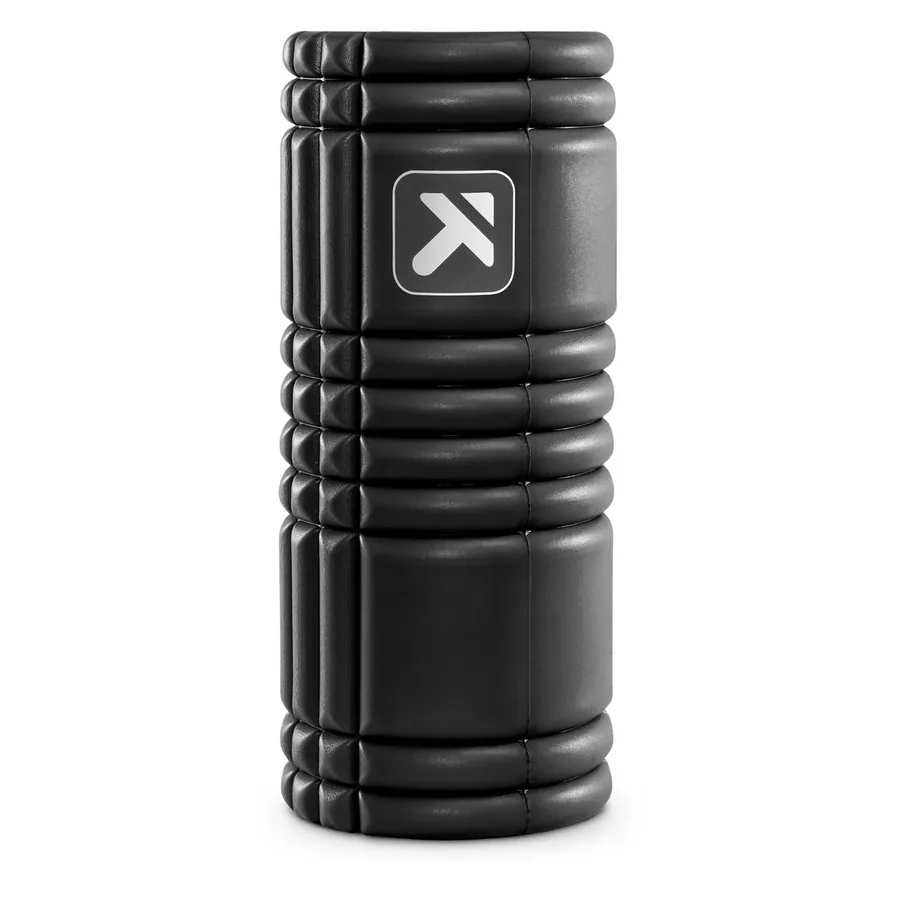
Ask a room of physical therapists and trainers to point at a roller and most fingers land on the GRID: a hollow rigid core wrapped in EVA foam with a patented multi-density surface — flatter zones, ridges, and nubs that vary the pressure the way hands would. It's firm without being brutal, supports up to around 500 pounds, and the 13-inch original fits a gym bag. The 26-inch GRID 2.0 (~$75) adds back-friendly length. If you buy one roller for life, this is the one.
2. Amazon Basics High-Density — the honest budget slab (~$15–20)
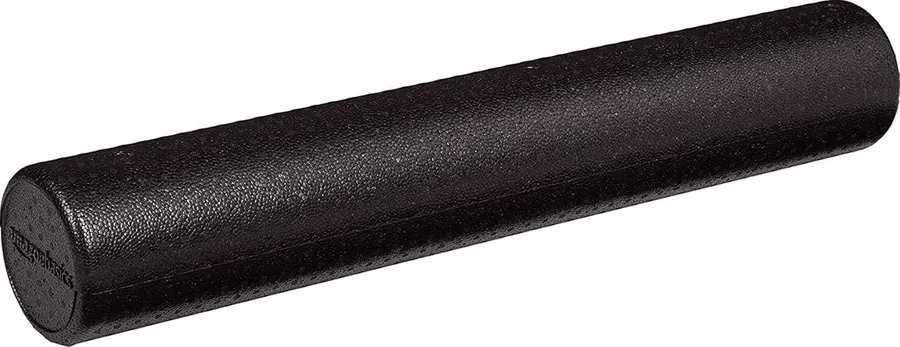
No texture, no story, no problem: the Amazon Basics roller is a plain molded polypropylene cylinder in lengths up to 36 inches, firm enough to work and cheap enough to buy without deliberation. Budget rollers like this compress a little over years of use, but as an entry point — or a car-trunk spare — it's exactly right.
3. LuxFit High-Density — the firm workhorse (~$20–37)
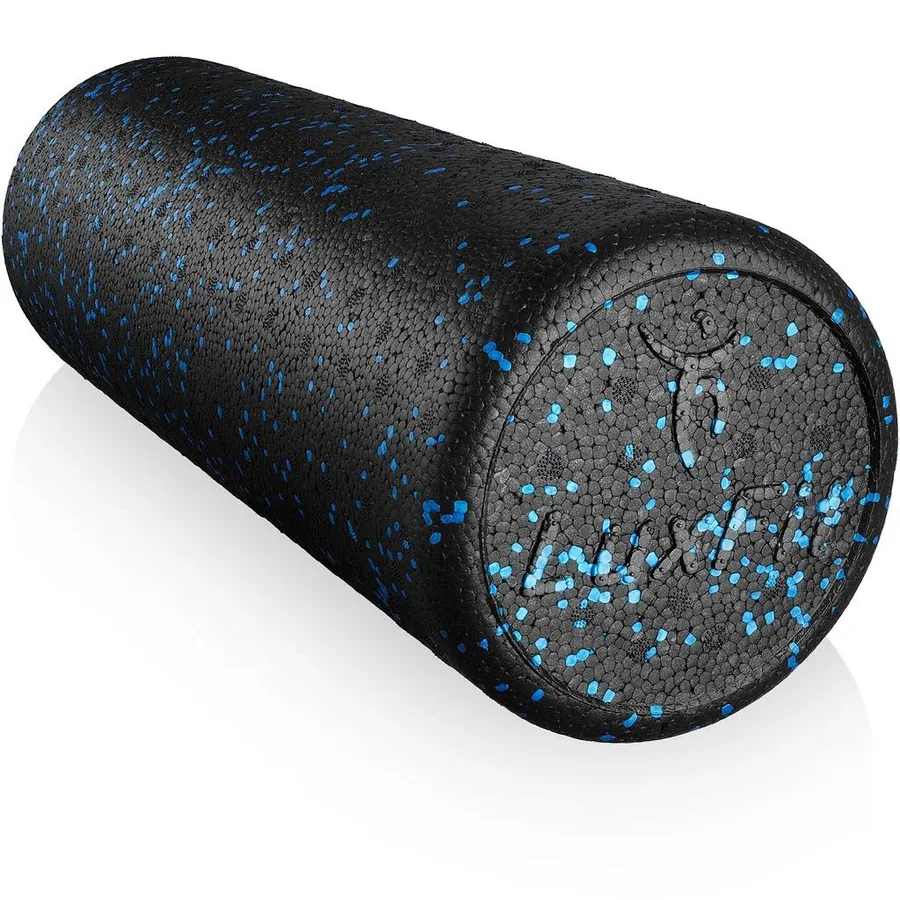
A step up in density and durability from the bargain slabs, the LuxFit is the roller strength coaches recommend for big muscle groups — quads, glutes, hamstrings — where a softer roller just deflects. Extra-firm means exactly that: beginners should ease in with shorter sessions and more body-weight support, because this one does not negotiate.
4. Rollga — the contoured thinker (~$40–70)
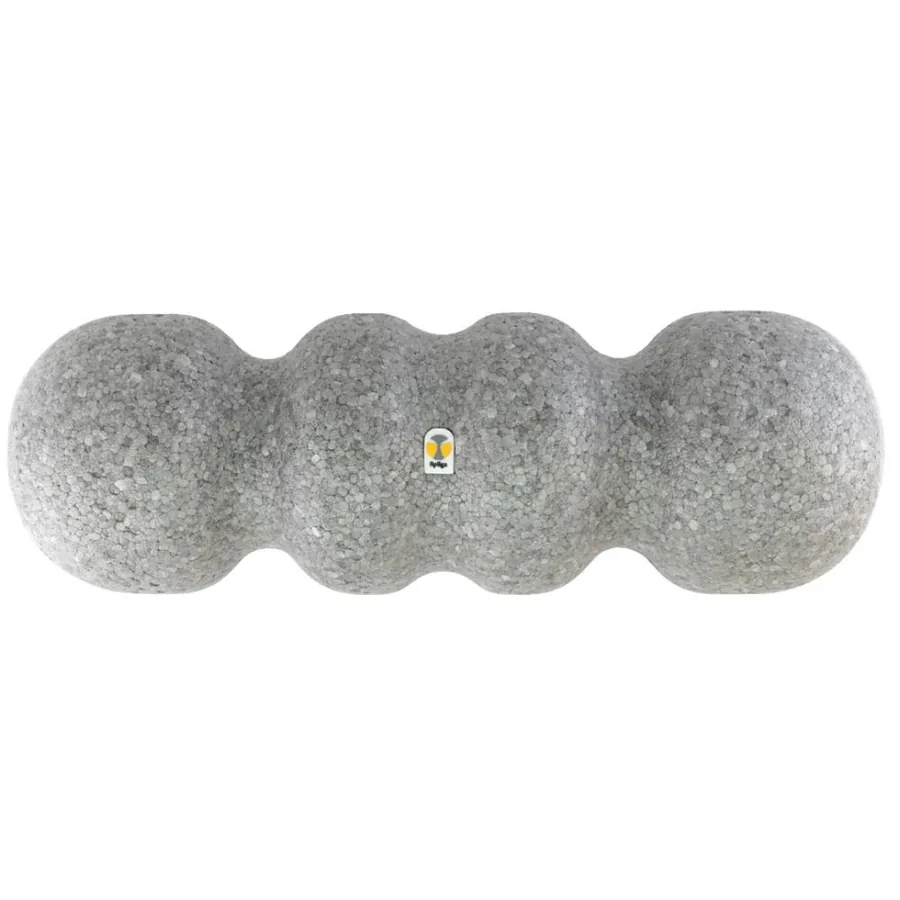
The Rollga's hourglass profile is designed around an obvious idea nobody else ran with: bodies have bones. The center groove straddles the spine and shins instead of grinding them, while the raised outer zones sink into the muscle alongside. For shins, IT bands, and anyone who finds cylindrical rollers clunky on bony areas, the shape genuinely earns its premium.
How to actually use one
- Slow beats fast. The drive-by scrub accomplishes little; move an inch or two per second and pause briefly on tender-but-tolerable spots.
- Thirty to sixty seconds per area — calves, quads, glutes, upper back are the high-value zones for desk-bound and standing lives alike.
- Breathe normally. Bracing and grimacing means too much pressure; strong massage, not punishment, is the target sensation.
- Skip the lower back directly (work the glutes and upper back around it), skip joints and bones, and let real pain be a stop sign rather than a challenge.
What rolling won't do
It isn't a treatment for injuries, a fix for chronic pain, or a substitute for strengthening weak areas. Anything that hurts sharply, persists, or worsens belongs with a professional, not a cylinder. Treat the roller as a comfort and mobility tool and it will never disappoint you.
The bottom line
The GRID for most people, Amazon Basics or LuxFit to start cheap and firm, the Rollga if bones keep getting in your way. Density advice for beginners: softer than your ego suggests — the roller you don't dread is the roller you'll actually use, and a few unhurried minutes most days beats a heroic session you never repeat.