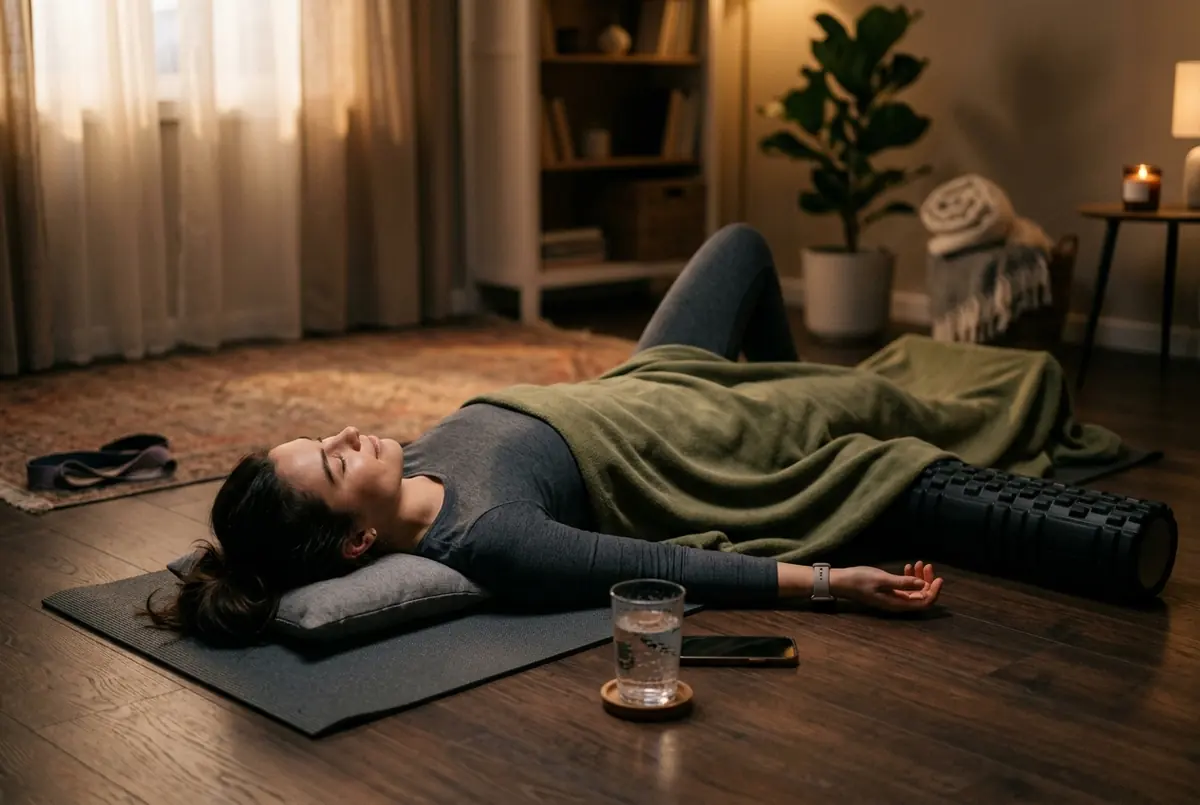
The Rise of Low-Intensity Everything: Why Fitness Culture Turned Down the Volume
Hot girl walks. Zone 2. Cozy cardio. Slow running clubs. The fitness pendulum has swung — and the science says it's the healthiest trend in years.

(Image credit: Wellness Research Daily)
For most of the 2010s, mainstream fitness had one register: maximum. High-intensity intervals, bootcamps, beast mode, no days off, the more it hurts the more it works. The cultural pendulum has swung visibly the other way — toward walking clubs, easy-pace running groups that advertise their slowness, “cozy cardio,” and the podcast-fueled ascent of Zone 2 training. Gentle is having its era.
Why the shift happened
Several currents converged. Exercise physiologists like Dr. Iñigo San-Millán and longevity commentators like Dr. Peter Attia spent years pointing out that easy aerobic work — Zone 2, roughly conversational pace — is the foundation of cardio fitness, not a consolation prize. That elite endurance athletes do 80 percent of their volume at this intensity came as a genuine surprise to the public.
Meanwhile, the all-out culture produced a predictable burnout cohort: people who learned the hard way that a workout they dread is a workout that eventually stops happening. And the walking renaissance — turbocharged by pandemic habits and given social structure by the walking-club explosion — reframed the humblest movement as real exercise with real community.
Backing it all up: research like the Stamatakis 2022 study in Nature Medicine showing that even a few minutes of vigorous incidental activity associates with substantially lower mortality — proving that the bar for "counts" was always lower than the industry let on.
What's genuinely good about the trend
The barrier to entry collapsed. Low-intensity movement requires no fitness baseline, no recovery budget, no special clothing, and no tolerance for misery — which means it reaches the majority of people that HIIT culture never did. It's also sustainable in the literal sense: easy sessions can happen daily for decades. Consistency was always the active ingredient in exercise; low-intensity is consistency's natural habitat.
The honest caveats
The pendulum can overswing. Bodies still benefit from some harder efforts — Zone 2 builds the aerobic base but doesn't build the top end. And strength training remains essential for aging well: the CDC and WHO both recommend resistance training at least twice weekly, and no amount of walking replaces it. “Low intensity” also shouldn't quietly become “no intensity” — a leisurely stroll counts, but it counts less than a purposeful walk.
The takeaway
As trends go, this is a rare one worth joining on its merits: move often at a pace you don't hate, keep strength training in the week, and let the all-or-nothing model die the death it deserves. Sustainable beat spectacular. It just took the culture a decade to notice.