Why Your Legs Feel Heavy After a Long Day — and What Actually Helps
That end-of-day heaviness has a name, a mechanism, and several genuinely effective fixes. A tour of the physiology of tired legs — no lifestyle overhaul required.

(Image credit: Wellness Research Daily)
It's one of the most universal end-of-day feelings: legs that seem to weigh twice what they did at breakfast. Heavy, tight, sometimes visibly puffy at the ankle by evening. You're not imagining it — and the explanation is a genuinely elegant piece of plumbing that most of us were never taught.
Meet your second heart
Getting blood down to your legs is easy; gravity handles delivery. Getting it back up is the engineering problem. Your body solves it with a system physiologists call the calf muscle pump — sometimes nicknamed the "second heart." Every time your calf muscles contract, they squeeze the deep veins running through them, pushing blood upward. A series of one-way valves inside those veins catches each boost and prevents backflow. Step after step, the pump lifts blood out of your lower legs against gravity, all day long.
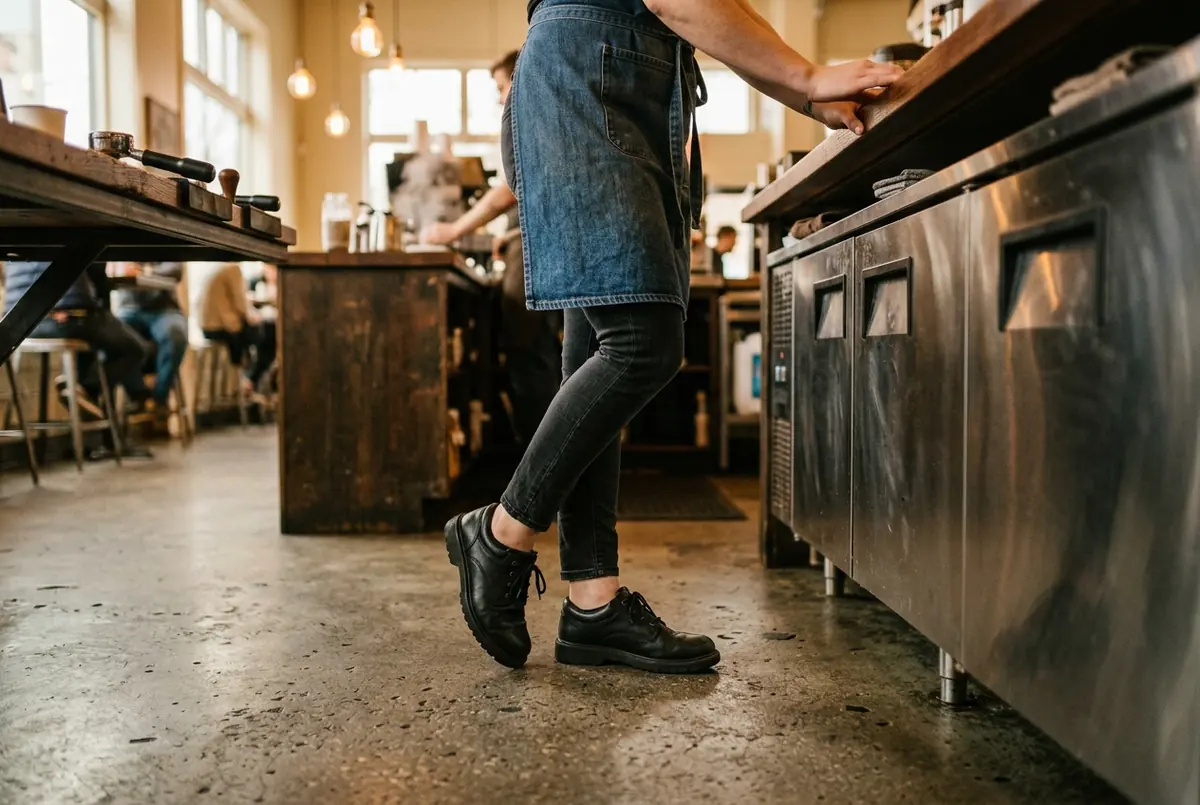
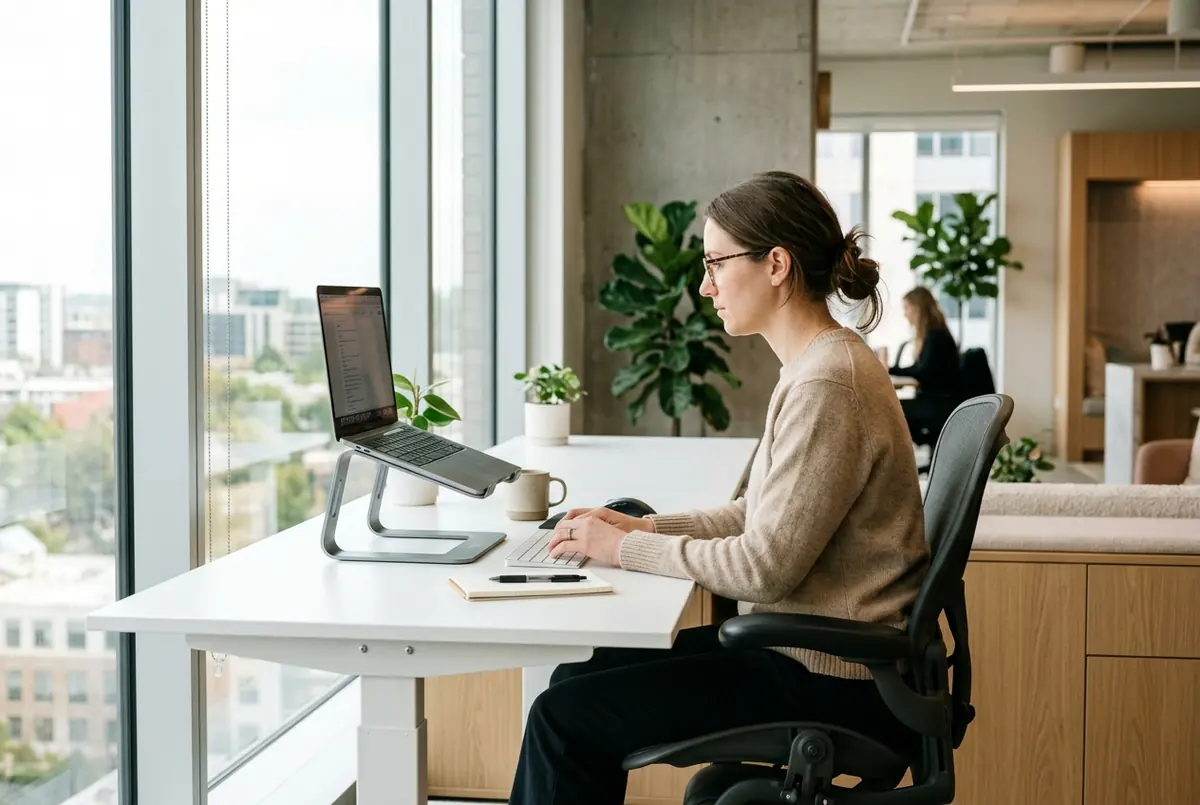
The catch: the pump only runs when the calves move. Stand relatively still for hours — a till, a ward, a counter — or sit with knees bent at a desk, and the pump idles. Venous return slows, pressure builds in the lower-leg veins, and fluid gradually seeps into the surrounding tissue. By evening, that accumulated congestion is precisely the heaviness you're feeling, and the sock-line dents and snugger shoes are its visible signature.
What actually helps
The good news about a mechanical problem: mechanical solutions work.
- Run the pump on purpose. The single highest-value habit is embarrassingly small: regular calf movement. Heel raises while the kettle boils, ankle circles under the desk, a two-minute walk every hour. Frequency beats intensity — the point isn't training the muscle, it's cycling the pump before pooling accumulates.
- Elevate in the evening. Ten to fifteen minutes with feet above heart level — sofa arm, cushions, legs up the wall — lets gravity refund the day. It's old advice because it's physics.
- Support the system from outside. Graduated compression socks apply pressure that's strongest at the ankle and eases up the calf, mirroring and assisting the direction the pump is working. It's why they're standard equipment for nurses, flight crews, and standing professions generally — and why the comfortable, light kind you'll actually wear all day beats the aggressive kind you'll remove by lunch.
- Mind the salt on heavy days. High-sodium days make the body retain extra water to keep its sodium concentration stable, and much of that extra fluid reports directly to your ankles. The mechanism is well documented; so is the fix of drinking normally and letting a day or two rebalance it.
- Break up the stillness. If your job pins you in place, weight shifts, stance changes, and a foot propped occasionally on a rail all keep the pump ticking over. Occupational health guidance for standing work recommends exactly this rotation, along with supportive footwear and anti-fatigue matting where the standing is stationary.
When heavy legs are something else
Ordinary end-of-day heaviness has a reassuring signature: it affects both legs roughly equally, builds over the day, and resolves overnight. A different pattern deserves a different response. Swelling or pain in one leg only — especially with warmth, tenderness, or redness — is the classic warning sign of a deep vein clot, which the CDC estimates affects as many as 900,000 Americans each year. That's a see-a-doctor-promptly situation, not a self-care one. The same goes for swelling that stops resolving overnight, skin changes around the ankles, or heaviness that arrives with breathlessness — the last being an emergency.
None of which changes the everyday story: for the common, symmetrical, gone-by-morning version, the fix list is short, cheap, and quietly effective. Move the calves, raise the feet, support the legs, and let the second heart do what it was built for.