Why Ankles Swell in Summer — and Simple Ways to Ease It
Heat physiology and gravity team up on your lower legs every July. The mechanism, the fixes, and the one warning sign that changes everything.
(Image credit: Wellness Research Daily)
Every summer it happens: shoes feel tighter by afternoon, sock cuffs leave deeper marks, ankles look a little puffier than they did in April. Summer ankle swelling is common, usually harmless, and pleasingly explicable — it's your body's cooling system and gravity running a joint operation on your lower legs.
The heat mechanics
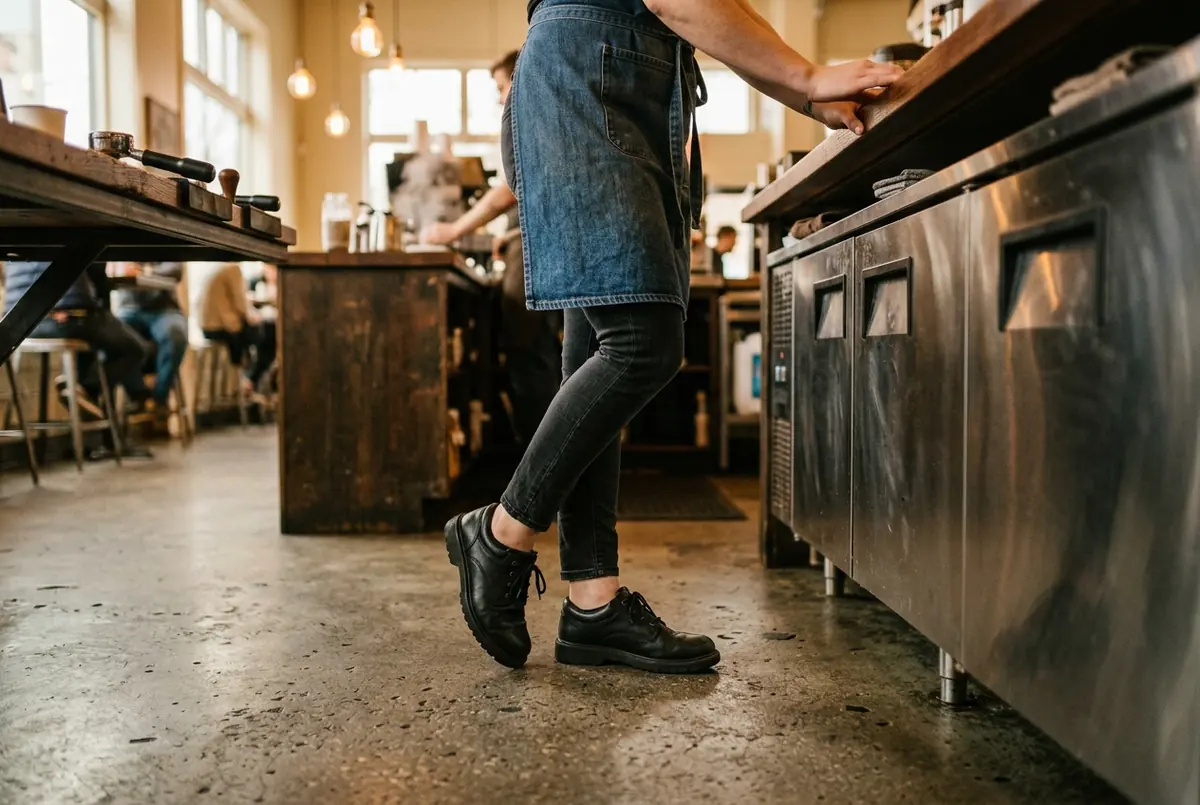
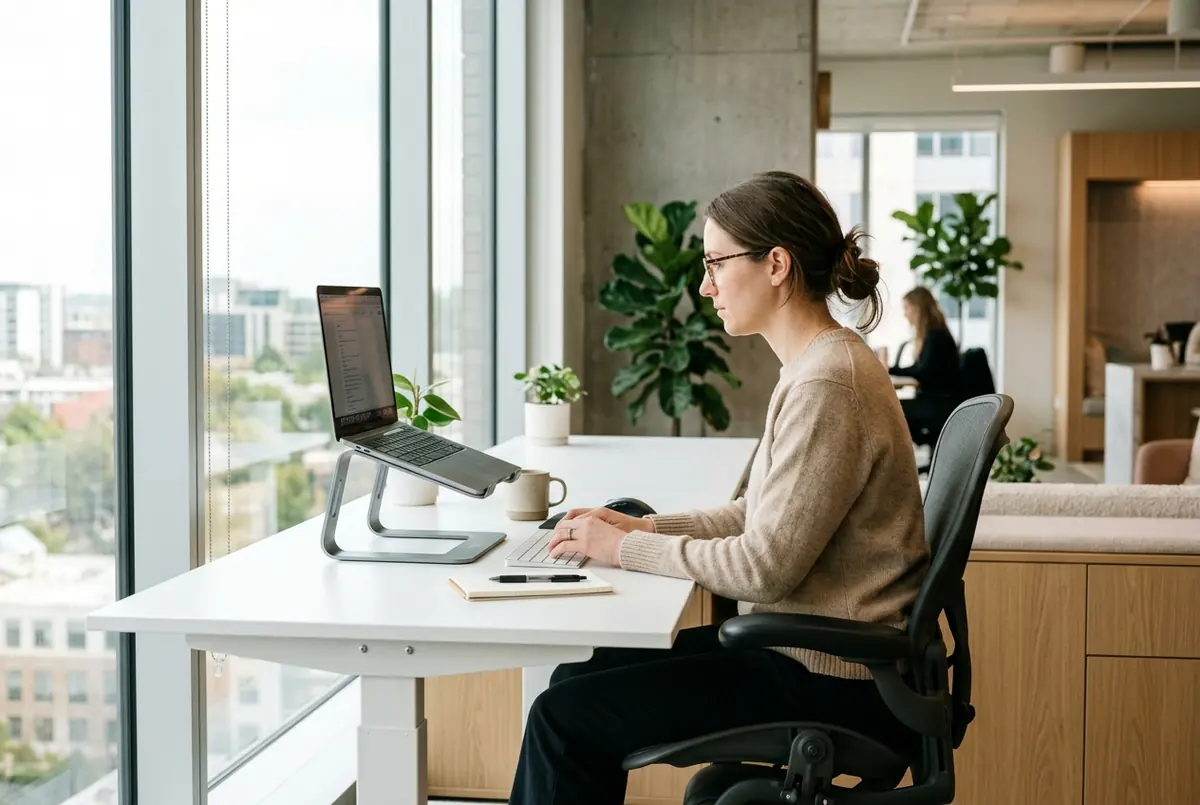
When you're warm, your body sheds heat by widening the blood vessels near the skin — vasodilation — routing more blood to the surface where it can radiate warmth away. It's elegant thermoregulation with one side effect: wider vessels in the lower legs mean more blood and fluid sitting exactly where gravity already wants to keep it. Meanwhile the return journey — blood moving back up out of the legs — depends heavily on the calf muscle pump, which only runs when you move. Warm weather plus long standing, sitting, or travel equals more fluid arriving downstairs and less being pumped back up. Clinicians call the result dependent edema: swelling in the parts that hang down.
Add summer's supporting cast — salty holiday food prompting water retention, dehydration thickening the picture, long flights and car rides immobilizing the pump — and the ankles collect the season's results.
What eases it
- Keep the calves employed. Walking, heel raises, ankle circles — every contraction squeezes the leg veins and pushes fluid upward. Little and often beats one evening effort after the pooling has already happened.
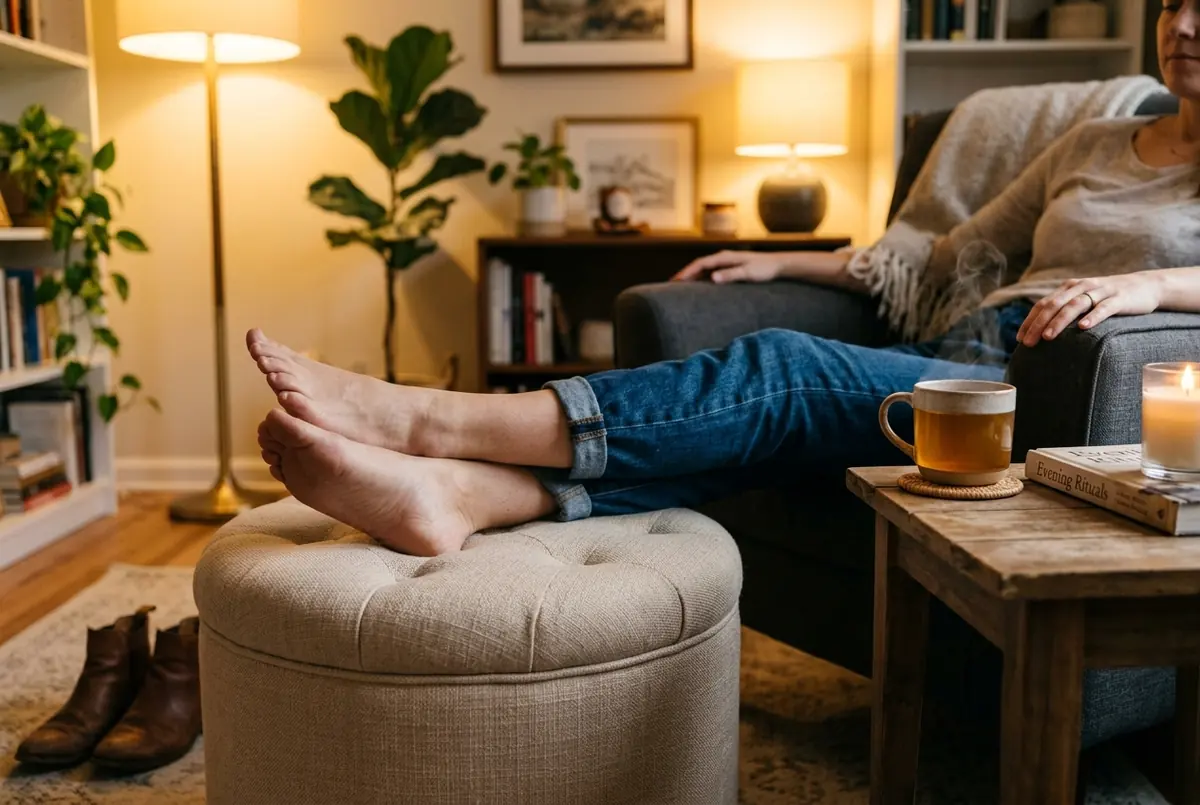
- Elevate in the evening. Feet above heart level for ten to fifteen minutes lets gravity work in your favor for once. A sofa arm and a cushion is the entire equipment list.
- Wear light compression on the long days. Graduated compression socks counter this exact mechanism — external pressure, strongest at the ankle, supporting the return flow. Modern lightweight, breathable knits make them workable even in warm weather, and flights, standing shifts, and long drives are precisely their home territory.
- Water and salt, sensibly. Staying hydrated genuinely helps fluid balance — counterintuitively, restricting water backfires. And very salty days show up in your ankles by the next morning, as the body holds extra water to dilute the sodium; a day or two of normal eating rebalances it.
- Cool water works. A cool shower over the lower legs at day's end narrows those widened surface vessels — the fastest-acting relief on this list, if temporary, and deeply pleasant in a heatwave.
The caveat that matters
Ordinary summer swelling has a signature: both ankles, roughly equally, worse by evening, resolved by morning. Learn the exceptions, because they change the response entirely. Swelling in one leg only — particularly with pain, warmth, tenderness, or redness — is the classic presentation of a deep vein clot and warrants medical attention promptly, not a wait-and-see. Swelling that persists through the night, keeps worsening, pits deeply when pressed, or arrives alongside breathlessness or chest symptoms likewise belongs with a doctor — the last combination urgently. Health agencies estimate blood clots affect hundreds of thousands of Americans a year, and prompt attention is what makes them very treatable.
For the common seasonal version, though, the protocol is short and pleasant: move the calves, raise the feet, support the legs on the long days, enjoy the cool rinse — and let September handle the rest.