Buying Guides
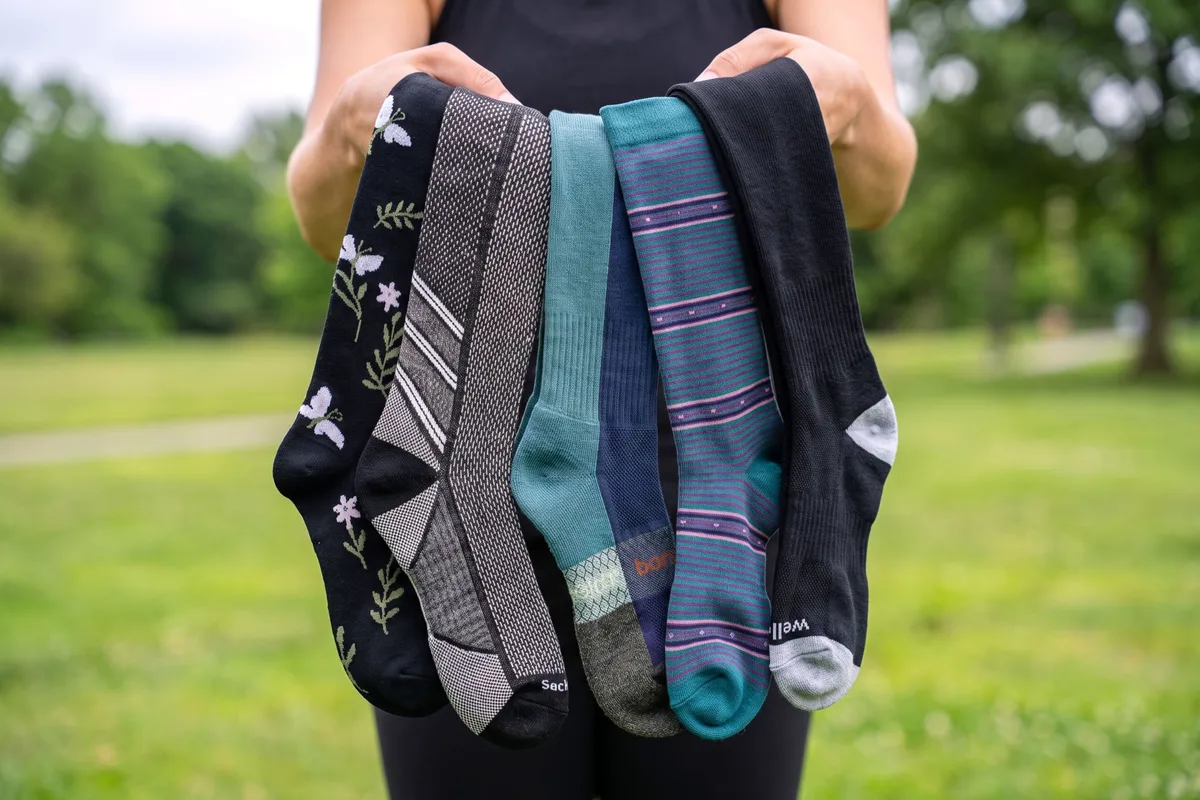
Five pairs for the price of two, all-day comfort that doesn't quit by lunch, and a fabric so soft you forget you're wearing them.
Wellness
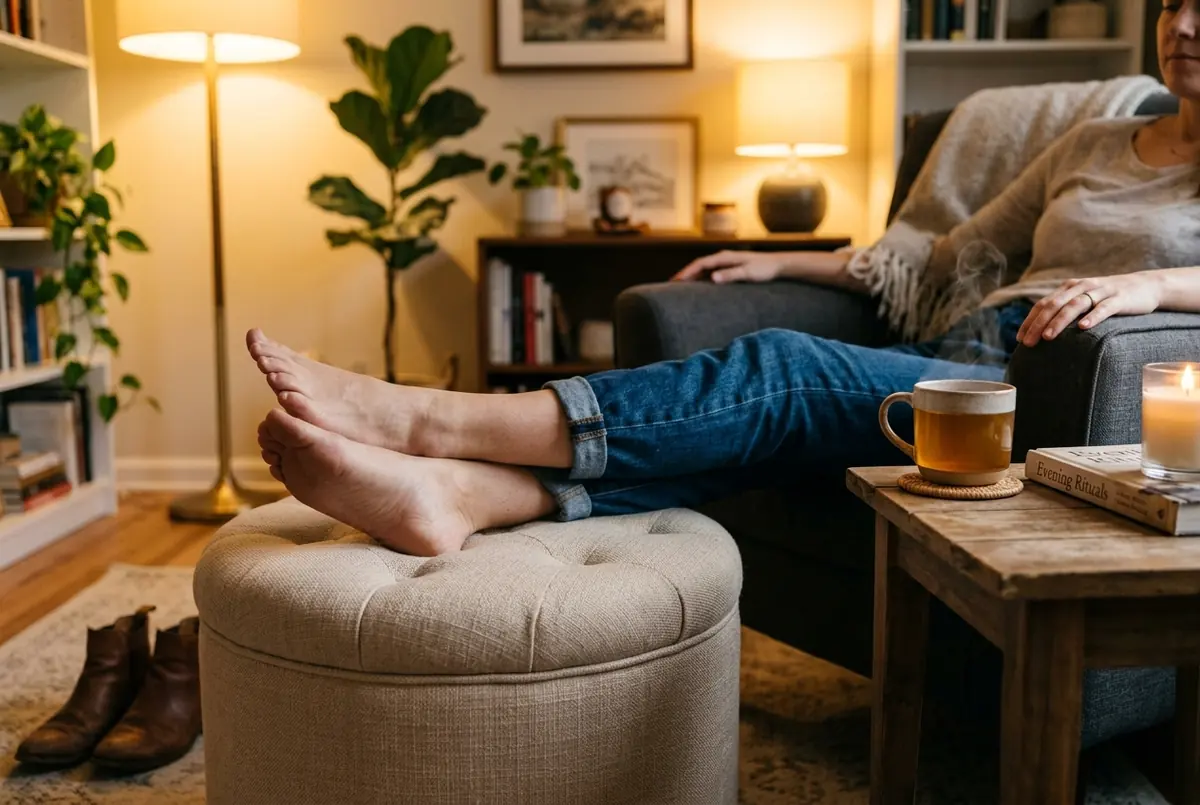
That end-of-day heaviness has a name, a mechanism, and several genuinely effective fixes. A tour of the physiology of tired legs — no lifestyle overhaul required.

Health Trends
Once strictly beige and medical-aisle, compression socks are now on nurses, runners, gamers, and grandmothers. The market data and the cultural forces behind the crossover.
Wellness
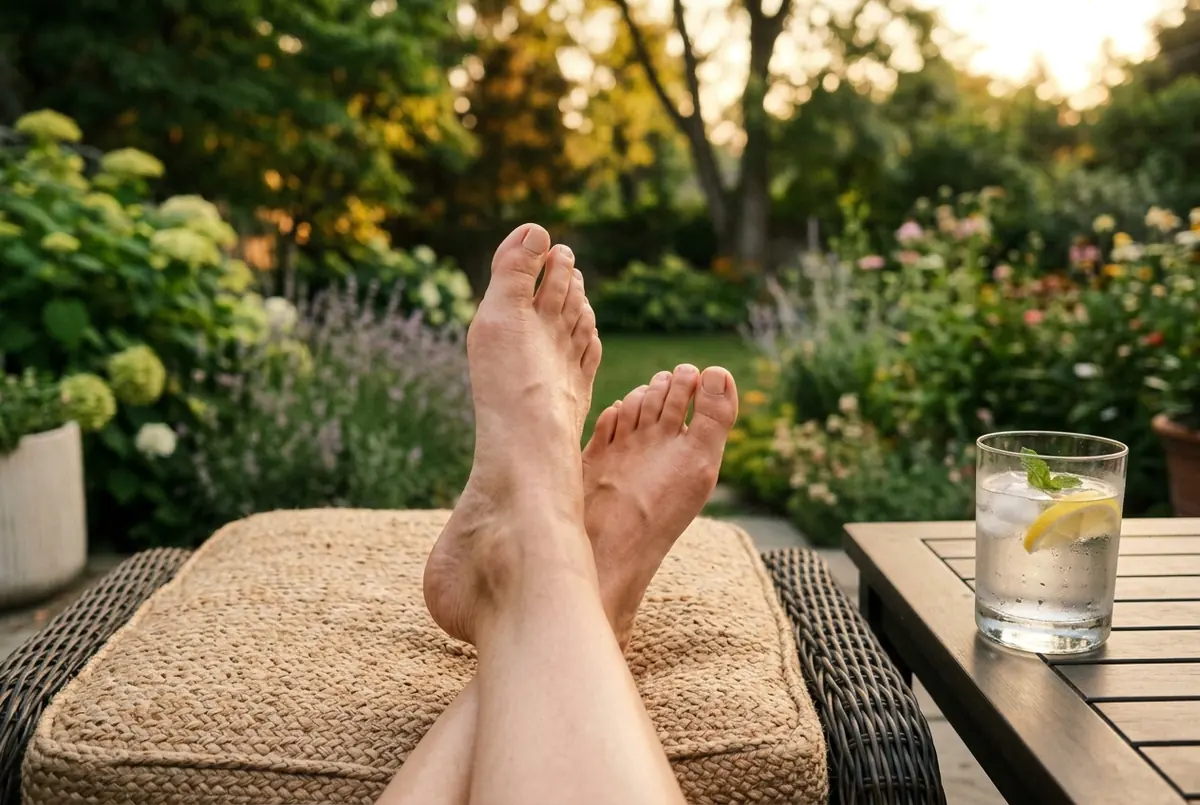
Heat physiology and gravity team up on your lower legs every July. The mechanism, the fixes, and the one warning sign that changes everything.
Buying Guides
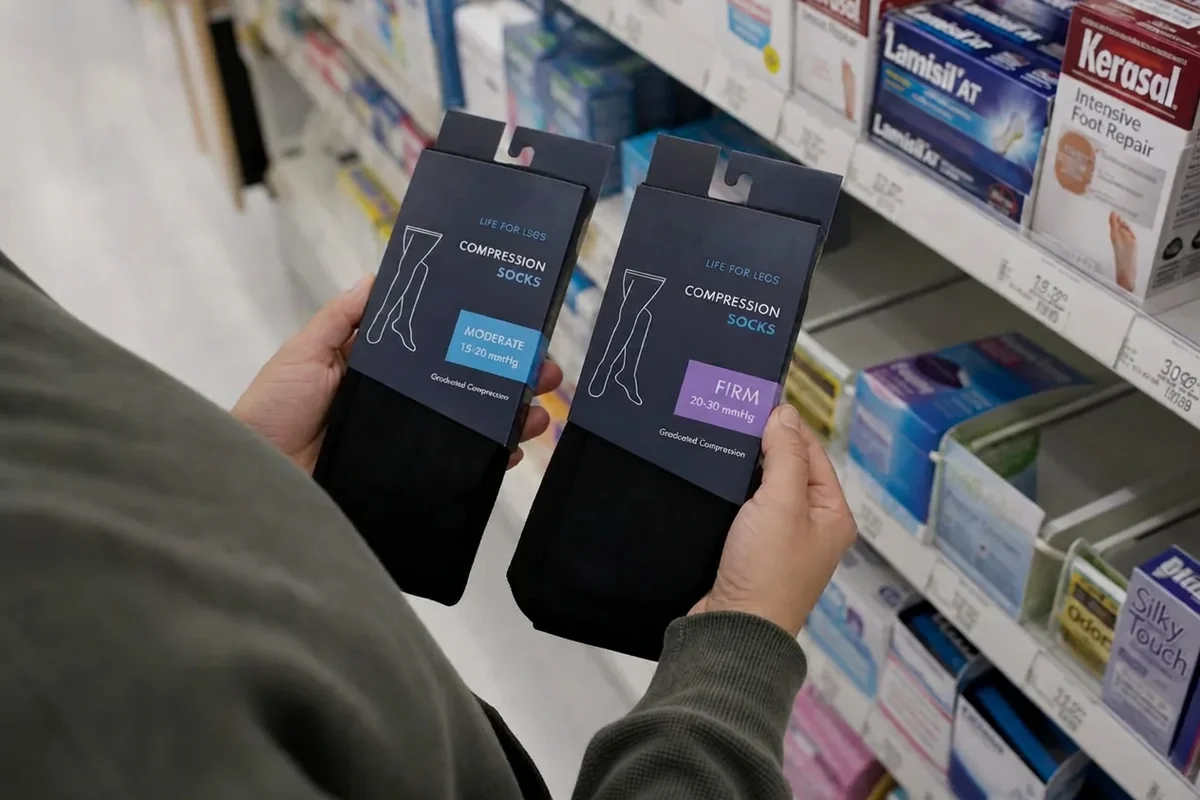
The number on the label matters more than the brand name on the cuff. Here's what each pressure level is actually for — with real examples at every level.

Wellness
Occupational health research has studied prolonged standing for decades. Here's what it recommends — translated into a practical survival guide for anyone whose job happens on their feet.
Wellness
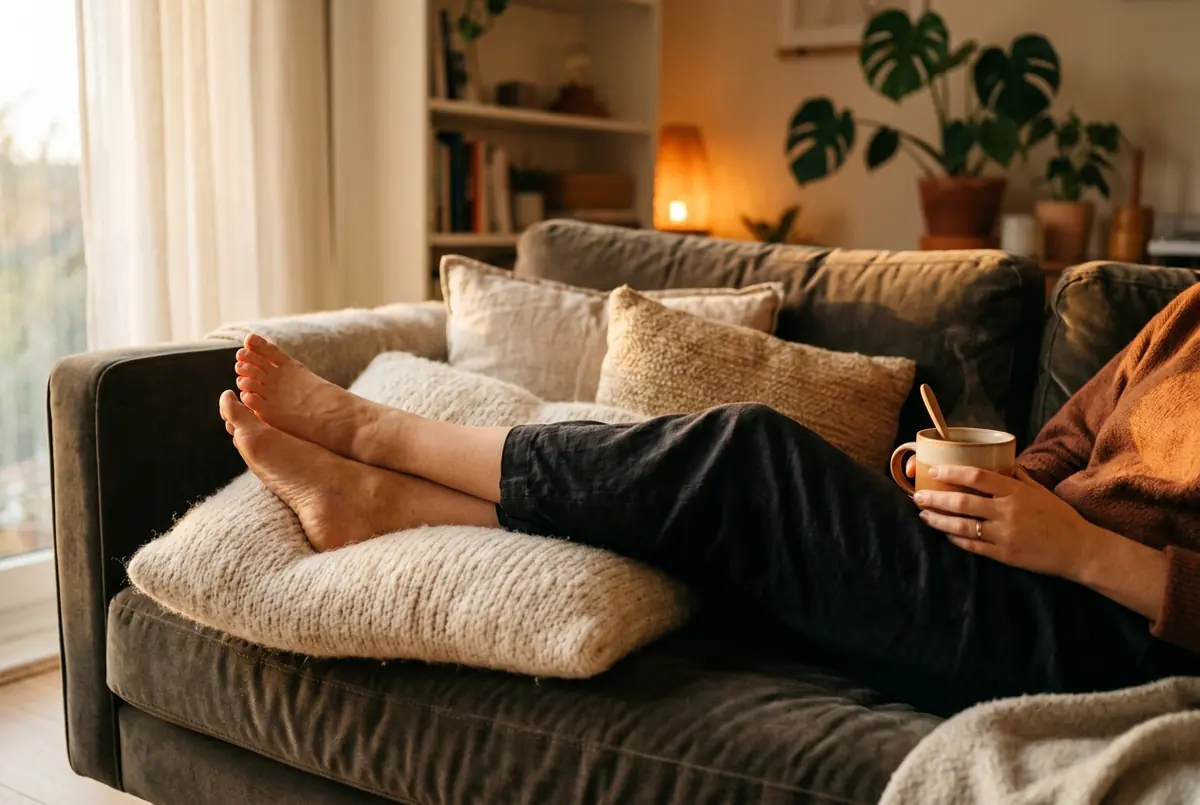
Most leg heaviness and many visible veins are ordinary. Some symptoms are not — and the CDC's numbers on blood clots explain why the distinction matters. A calm field guide.

Wellness
No 5 a.m. club, no ice baths, no hour of journaling. Five habits with actual evidence behind them — starting with the one light trick most people never use.

Wellness
Digital eye strain affects a majority of heavy screen users. The optometrist-invented rule that fights it, what the evidence says, and the fixes that cost nothing.
Health Trends
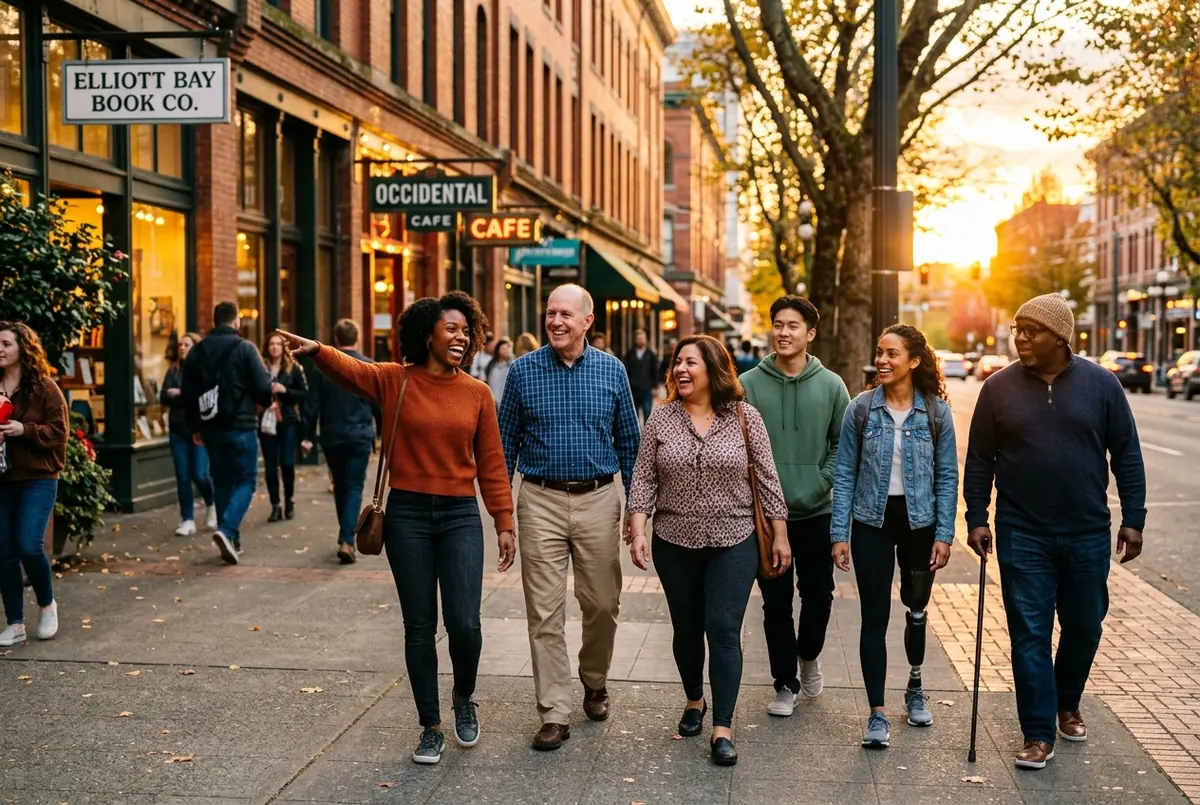
The format is simple: show up, walk, talk. The appeal runs deeper than steps — into a loneliness epidemic the U.S. Surgeon General compared to smoking 15 cigarettes a day.

Wellness
The famous 21-day rule is a myth. A University College London study found habits take about two months to automate — and missing a day doesn't matter. Here's how to invest that time well.
Health Trends
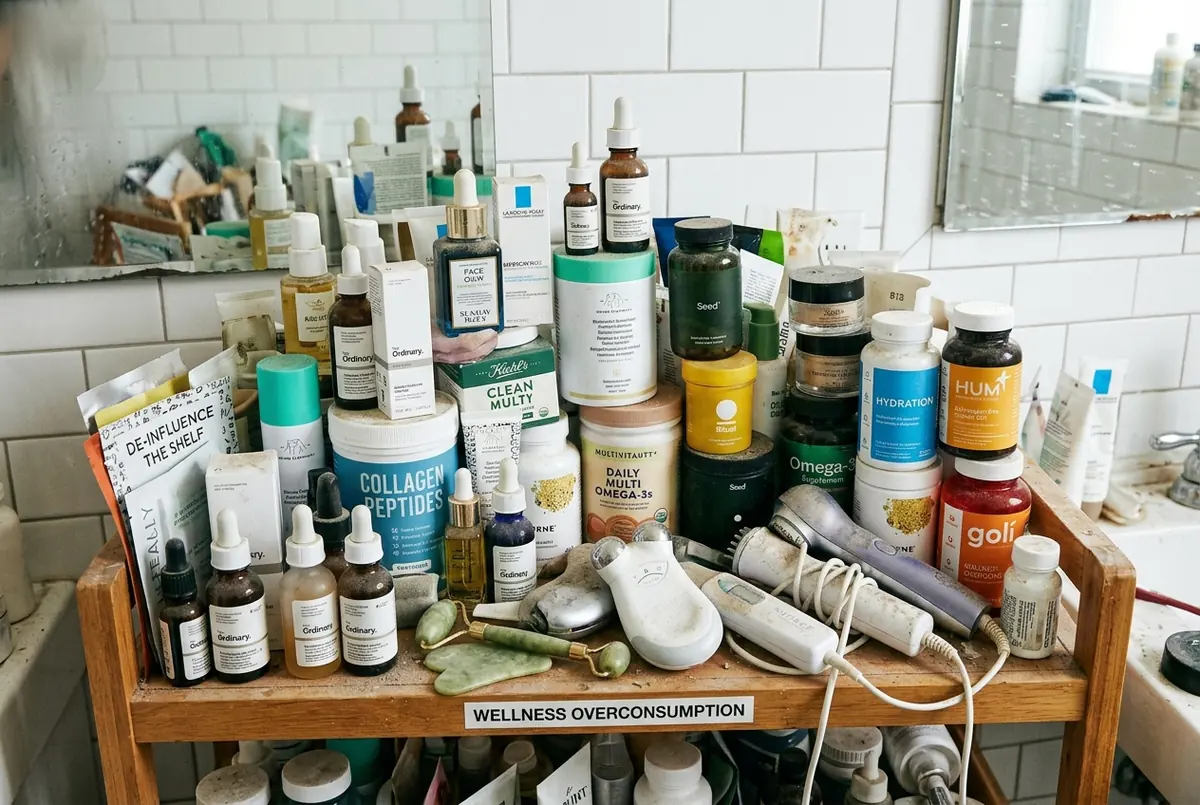
The hottest content in wellness is now telling you what not to buy. What the backlash gets right, its own blind spot, and a two-question filter that outlasts the trend.

Health Trends
Companies spent billions on wellness perks. Two landmark studies measured the results — and the answers split sharply between what works and what doesn't.