
Walking Clubs Are the New Running Clubs — and the Surgeon General's Loneliness Data Explains Why
The format is simple: show up, walk, talk. The appeal runs deeper than steps — into a loneliness epidemic the U.S. Surgeon General compared to smoking 15 cigarettes a day.
(Image credit: Wellness Research Daily)
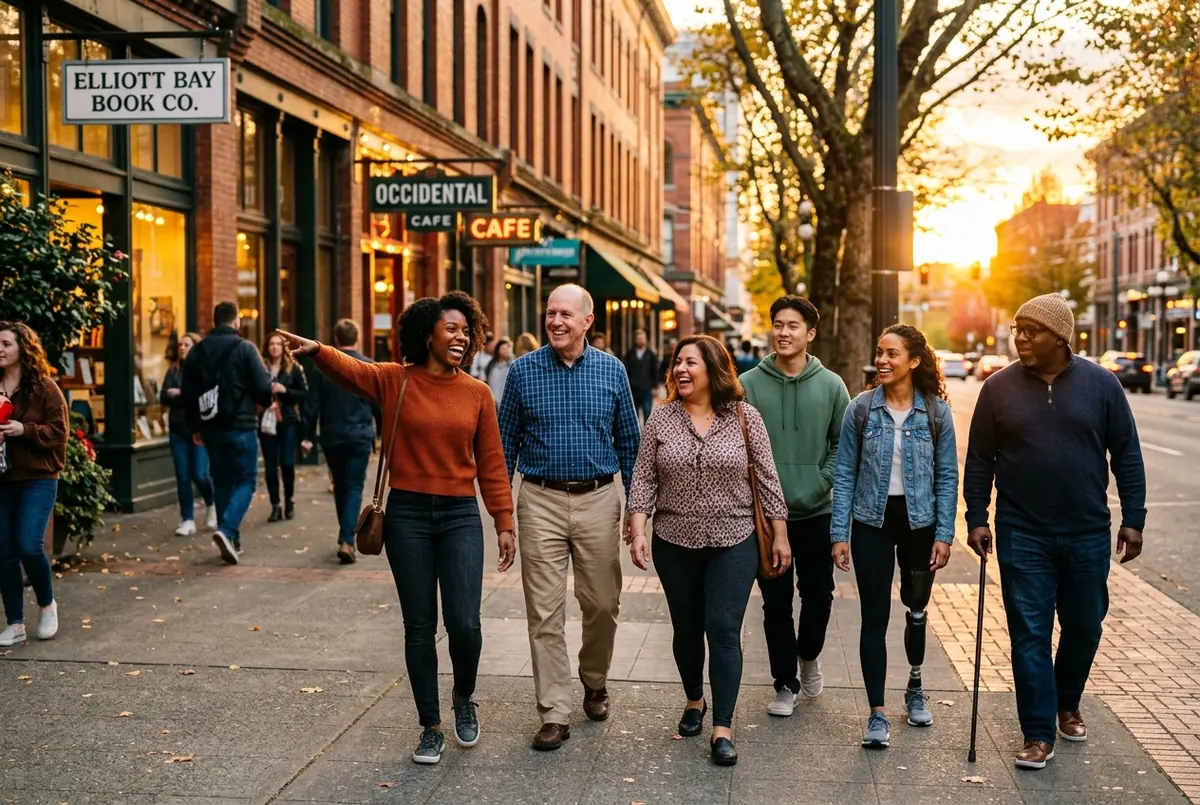
Run clubs had a decade as fitness culture's social centerpiece. Their successor arrived at a gentler pace: walking clubs — organized, scheduled, unapologetically conversational — are multiplying through cities, parks, and social feeds, drawing crowds that running never reached. The format is almost comically simple. The need it fills isn't.
Why walking, why now
The format solves problems running clubs never could. There's no fitness threshold: newcomers join without training up to participation, nobody gets dropped off the back. It's injury-light and sweat-optional, which means it works before work, in regular clothes, in most weather, at most ages. And it inherits the walking renaissance — the pandemic-era rediscovery that a daily walk is legitimate exercise, mental reset, and social occasion in one.
The social layer underneath
Here's where the trend story intersects with a public-health one. In May 2023, U.S. Surgeon General Dr. Vivek Murthy issued an advisory titled "Our Epidemic of Loneliness and Isolation" with numbers that stopped people scrolling:
- The health impact of social disconnection is comparable to smoking up to 15 cigarettes a day
- Poor social relationships are associated with a 29 percent increased risk of heart disease and a 32 percent increased risk of stroke
- Social isolation in older adults is linked to roughly a 50 percent increased risk of dementia
Walking clubs land squarely in the gap those numbers describe. Organizers consistently report the same discovery: people come for the steps and stay for the talking. Walking is a famously good conversation format — side by side, no eye-contact pressure, natural pauses — and a fixed weekly appointment with friendly strangers may be the most practically accessible antidote to loneliness currently operating at scale. The steps are almost the pretext.
What makes clubs stick
The durable ones share a pattern: a fixed weekly time and meeting spot, a route that ends somewhere pleasant (the post-walk coffee is load-bearing), a pace policy that genuinely welcomes the slowest walker, and zero performance tracking. Clubs that quietly become running clubs tend to shed exactly the people the walking format was best serving.
Joining or starting one
Finding one is now easy — local social media, community boards, parks departments, running stores that read the room. Starting one requires only a time, a route, and two friends with phones; every large club began exactly there. As trends go, the risk profile is hard to beat: the worst case is a walk with people who might become friends. The Surgeon General would call that the point.