'De-Influencing' Comes for Wellness — and It's Mostly Right
The hottest content in wellness is now telling you what not to buy. What the backlash gets right, its own blind spot, and a two-question filter that outlasts the trend.
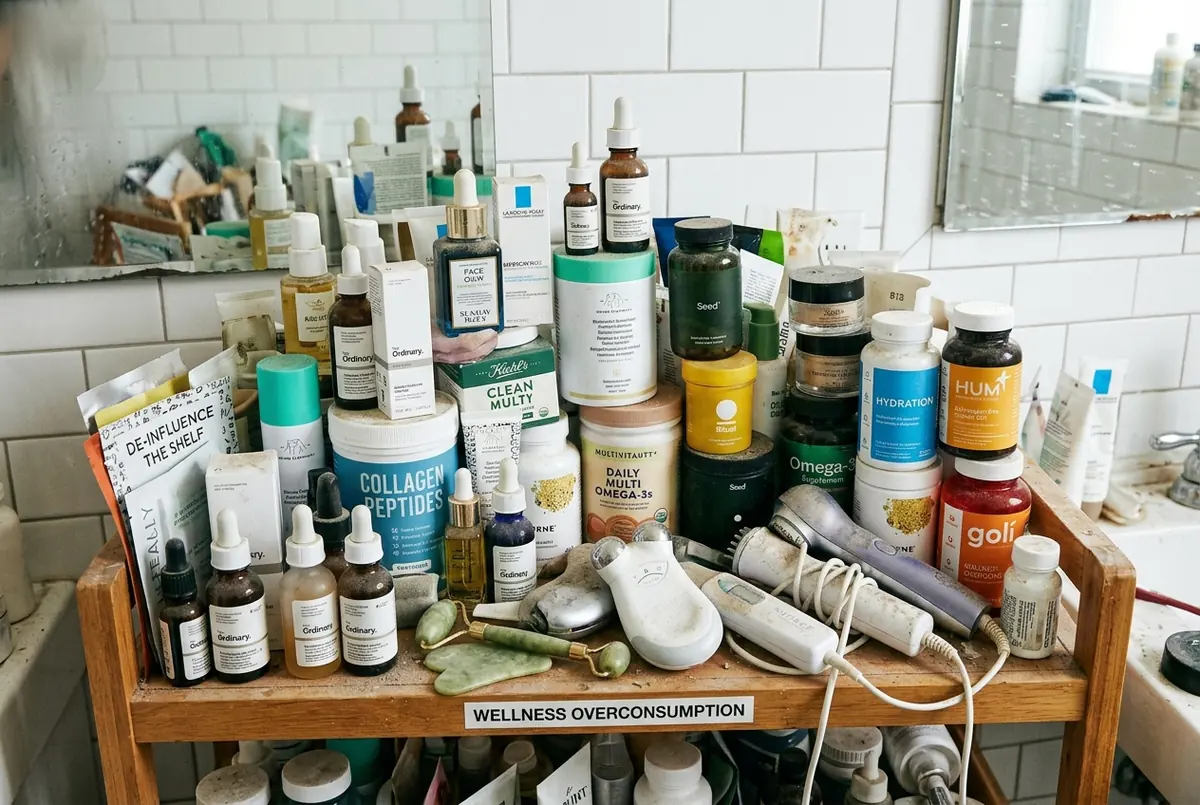
(Image credit: Wellness Research Daily)
After years of relentless product evangelism — the greens powders, the gadgets, the twelve-step morning protocols — social media's wellness corner developed an immune response. De-influencing content flips the script: creators listing what they regret buying, debunking viral must-haves, and preaching that your water bottle from 2019 still holds water. The backlash is now itself a genre, and a wildly popular one.
Why audiences were ready
Wellness fatigue is real and earned. The average feed spent years implying that health is assembled at checkout — that mornings need a stack of products and sleep needs a technology budget. Households accumulated drawers of abandoned optimizations, and the gap between spending and results became personally, visibly obvious. De-influencing lands because it says out loud what the drawer already knew.
What the trend gets right
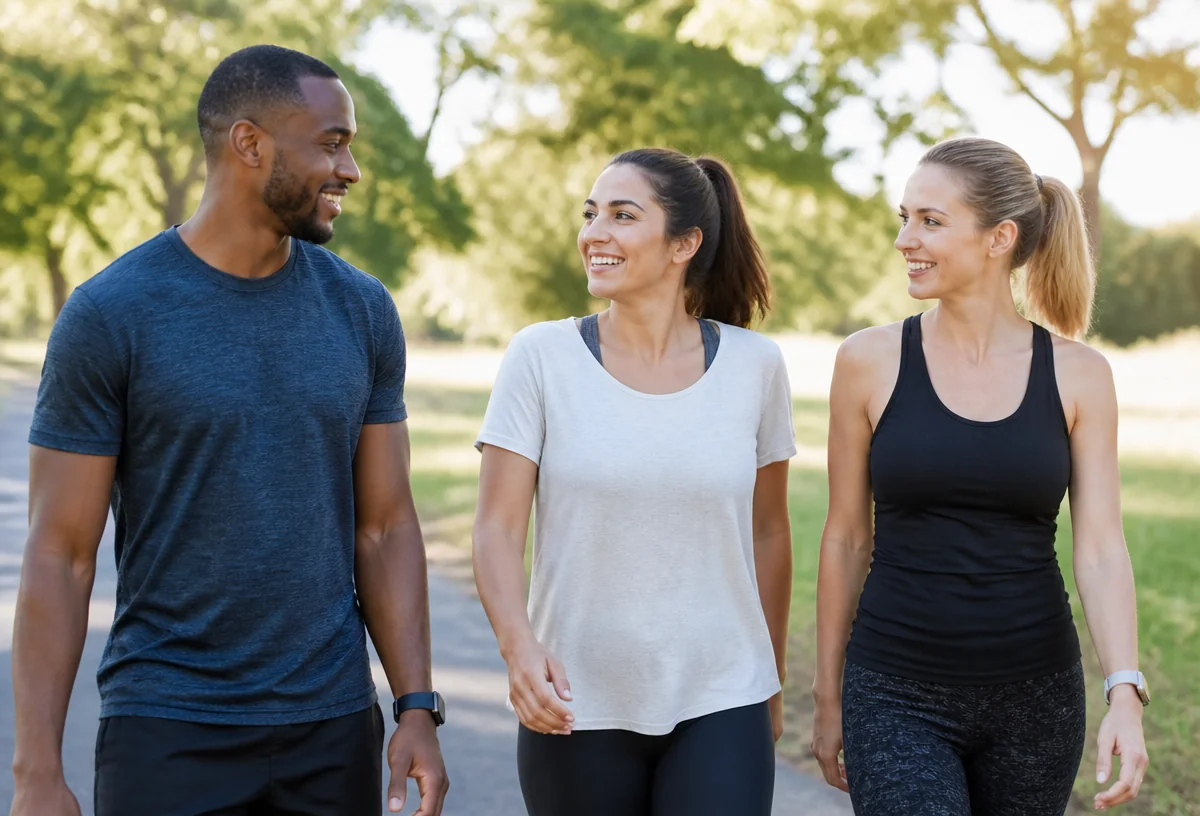
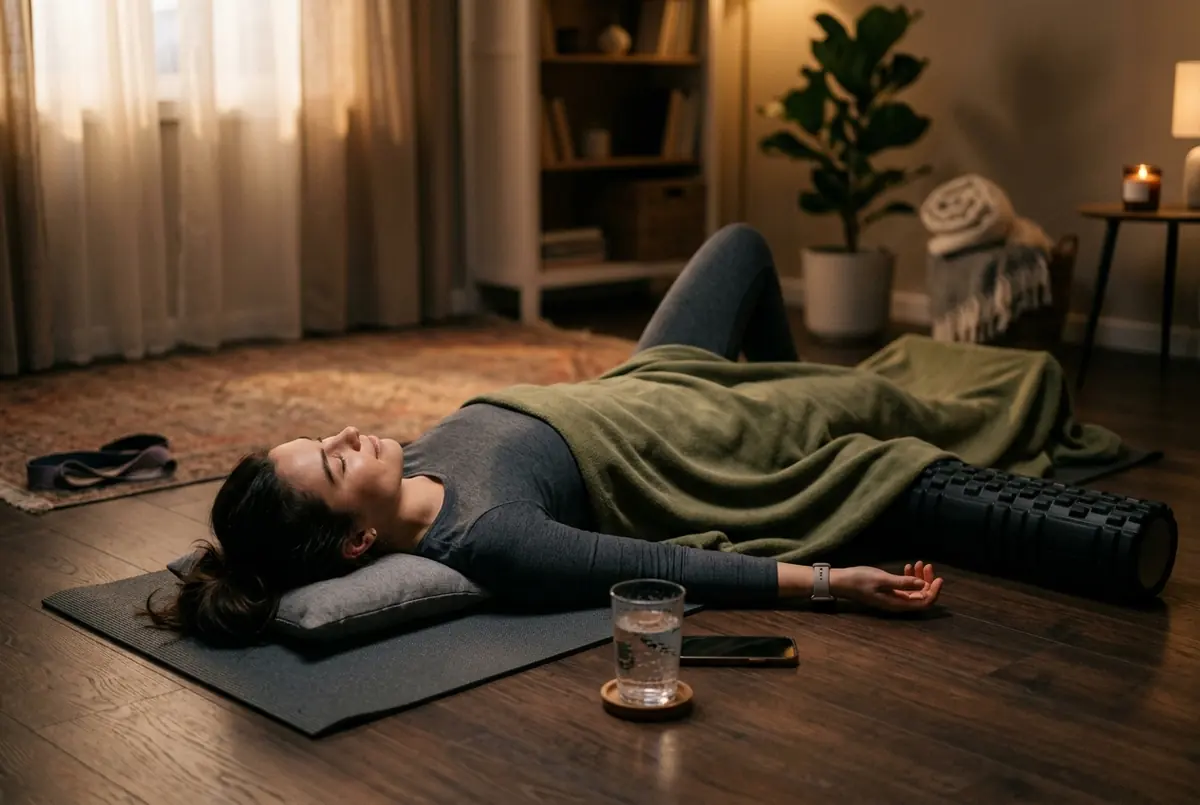
Its core claim is sturdy: the highest-value health interventions — sleep, walking, vegetables, water, daylight, human connection, strength training — are famously cheap or free, and no purchase meaningfully substitutes for them. Skepticism toward viral supplements, miracle ingredients, and dashboard-heavy gadgets is almost always vindicated when the evidence arrives (or doesn't). As a mass correction of expectations, the trend is genuinely healthy.
The blind spot
De-influencing is still influencing — the same engagement machine, reversed polarity. Contrarian debunks can overshoot into dismissing modestly useful things (a good pillow, supportive shoes, compression socks for standing work — boring, mechanical, and genuinely helpful). Creators building audiences on "everything is a scam" face the same incentive distortions as those who built them on "this changed my life." Skepticism also sells, and it isn't automatically more accurate.
A personal filter that outlasts the trend
Before any wellness purchase, two questions do most of the work:
1. What specific problem of mine does this solve? — not a vague aspiration, a concrete daily issue
2. Is there a free version of this behavior I'm currently skipping? — because the product is often compensating for a habit, not replacing one
Products that survive both questions — comfortable work shoes for a standing job, a contoured pillow for a side-sleeping neck, graduated compression socks for heavy-legged twelve-hour shifts — tend to be boring, mechanical, and genuinely worth the money. The products that don't survive tend to be the ones with the best marketing. Let the drawer be your guide.