Side, Back, or Stomach: What Your Sleep Position Does to Your Body
About 60% of adults sleep on their side. Each position has trade-offs — and the right pillow matters more than the right position.

(Image credit: Wellness Research Daily)
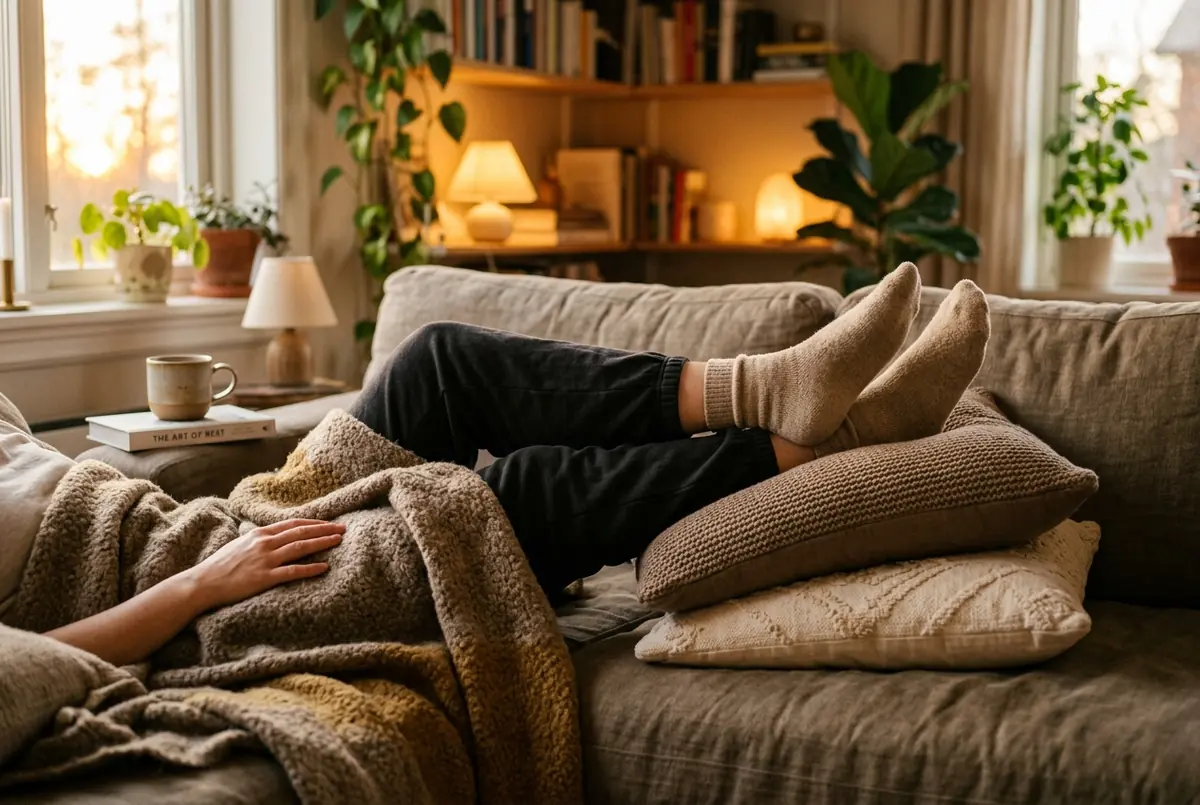
By adulthood, sleep position is less a choice than a habit with tenure — most people have a default and return to it no matter how they start the night. Rather than fighting it, the productive move is knowing your position's trade-offs and equipping it properly. Surveys and sleep-research estimates suggest roughly 60 percent of adults are predominantly side sleepers.
Side sleeping: the popular default
Side sleeping keeps the airway relatively open (it's the standard first suggestion for snorers and a consistent recommendation during pregnancy) and generally supports spinal alignment well — provided the pillow fills the shoulder-width gap and keeps the neck level. The costs are mechanical: a compressed shoulder and, without support, a top knee that falls forward and twists the lower back.
The fixes are equipment: a pillow tall enough to fill the ear-to-shoulder gap (side sleepers' most common pillow error is too flat), and a slim pillow between the knees, which converts many aching-morning backs into unremarkable ones. A mattress with some give at the shoulder helps the arm; persistent numbness is worth mentioning to a clinician.
Back sleeping: alignment winner, airway risk
On paper the ergonomic ideal — spine neutral, no compressed limbs, pressure distributed evenly. The catch: gravity encourages the tongue and soft tissue backward, which is why snoring and breathing interruptions run worst on the back. A moderate pillow (tall pillows crane the neck) and one under the knees for the lower back are the setup.
Anyone whose partner reports gasping, choking, or prolonged pauses in breathing — in any position, but especially supine — should treat that as a medical referral for sleep apnea screening, not a pillow problem.
Stomach sleeping: the least recommended
The neck spends the night rotated 90 degrees and the lower back tends to overarch — the honest reasons it's the position every physiotherapist gently discourages. Converting stomach sleepers is hard; harm reduction works better: the thinnest possible pillow (or none), a slim pillow under the hips to soften the arch, and a firm-enough mattress to prevent hammocking.
The meta-advice
Any position plus the right support beats the "best" position with the wrong pillow. Switching positions during the night is normal, not failure. Comfort that lets you stay asleep is the actual goal; alignment serves sleep, not the reverse. Get the pillow right for how you actually sleep, and let the body sort out the rest.