Eating for Steady Energy: How to Flatten the Spike-Crash Cycle
If your day runs on blood-sugar spikes and crashes, the fix is on your plate. The glycemic logic — and a practical formula that holds energy through the afternoon.
(Image credit: Wellness Research Daily)
The mid-morning fade, the post-lunch slump, the 4 p.m. desperation snack — most people treat the daily energy rollercoaster as an unchangeable personality trait. It's mostly a menu problem, and the physiology behind it is straightforward enough to fix.
The spike-crash mechanism
Meals heavy in fast-digesting carbohydrates — white bread, pastries, sweetened drinks, most breakfast cereals, juice — hit the bloodstream quickly. Blood glucose jumps; the pancreas responds with a proportional insulin surge; glucose drops rapidly, often undershooting baseline. That trough is the crash: foggy, hungry, reaching for another fast carb, and the cycle continues on schedule. The glycemic response to a meal is the technical term; the subjective experience is the 10:30 a.m. wall.
The flattening formula
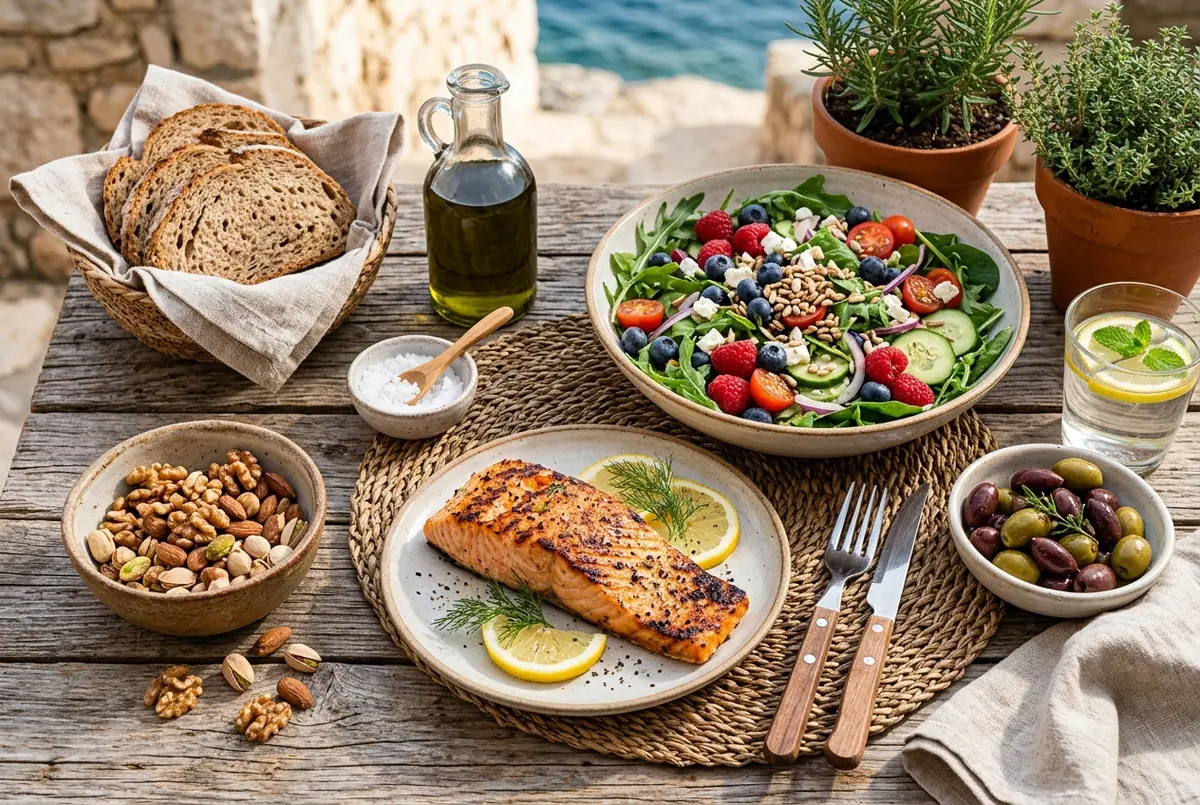
Every meal, aim for three companions alongside your carbohydrates: protein, fiber, and some fat. Each independently slows gastric emptying and carbohydrate absorption, converting the spike into a slope. The combined effect is substantial and well-documented in glycemic-response research.
In practice:
- Breakfast: eggs or Greek yogurt beats cereal-and-juice; if it's toast, make it wholegrain and put something substantial on it (nut butter, avocado, cheese)
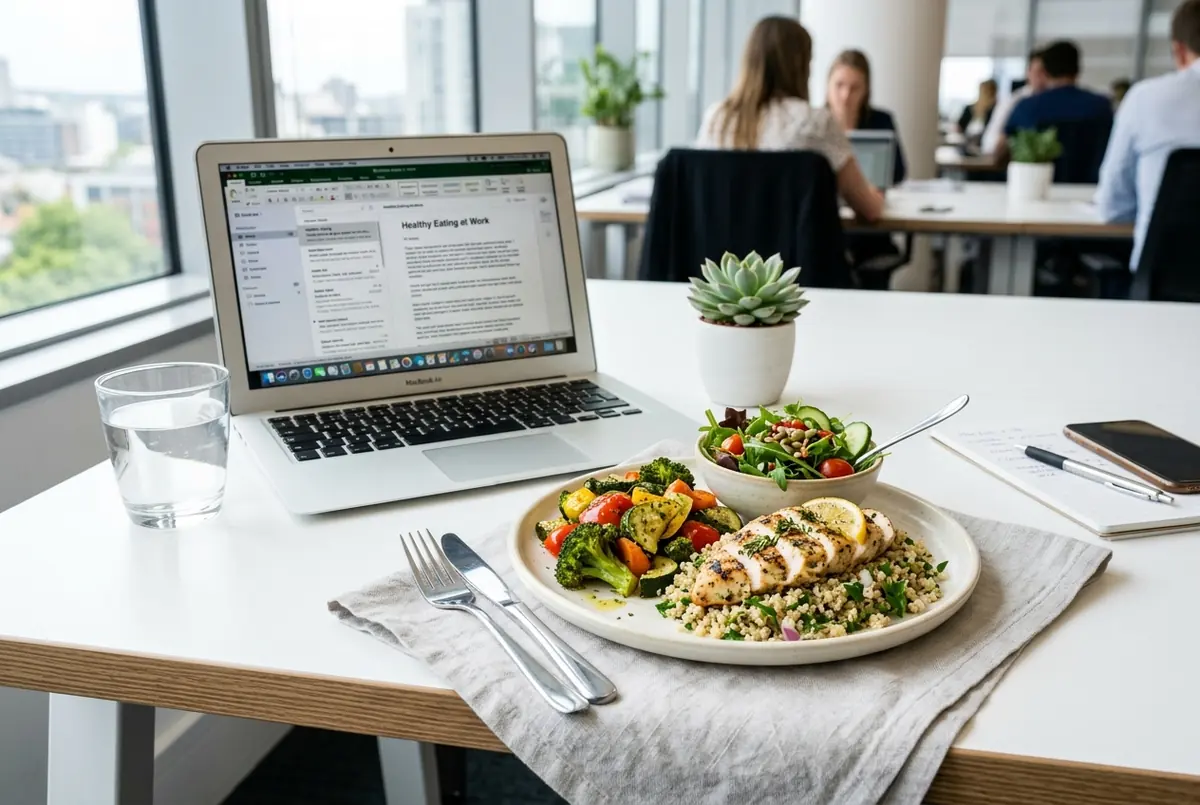
- Lunch: the salad-only lunch under-fuels and the all-beige-carb lunch over-spikes — a plate with a protein anchor, vegetables, and sturdy carbs (whole grains, beans, sweet potatoes) outlasts both
- Snacks: pair the carb with a partner — apple with nuts, crackers with cheese, banana with peanut butter — instead of sugar solo
The lunch-size variable
Very large meals produce drowsy afternoons independent of composition — digestion is metabolic work that competes with alertness. A moderate lunch plus a planned mid-afternoon snack often outperforms one heavy sitting for the 2–4 p.m. window where productivity goes to nap.
The non-food suspects
If meals are structurally solid and energy still craters, the usual culprits are upstream: short sleep (the big one — no plate compensates for five hours), dehydration, caffeine timed late, or six motionless hours at the desk. Food sets the curve; it can't out-cater a sleep debt.
The bottom line
Protein, fiber, and fat at every meal; whole carbs over refined; moderate lunch sizes; planned afternoon snacks instead of panic ones. It's not a diet — it's a construction principle, and the blood-sugar curve it produces is flatter, friendlier, and more energizing than whatever's currently in the vending machine.