5 Anti-Inflammatory Foods With Real Evidence (No Superfood Budget Required)
The Mediterranean diet pattern keeps winning research trials. These are its most powerful ingredients — and they're already in your supermarket.
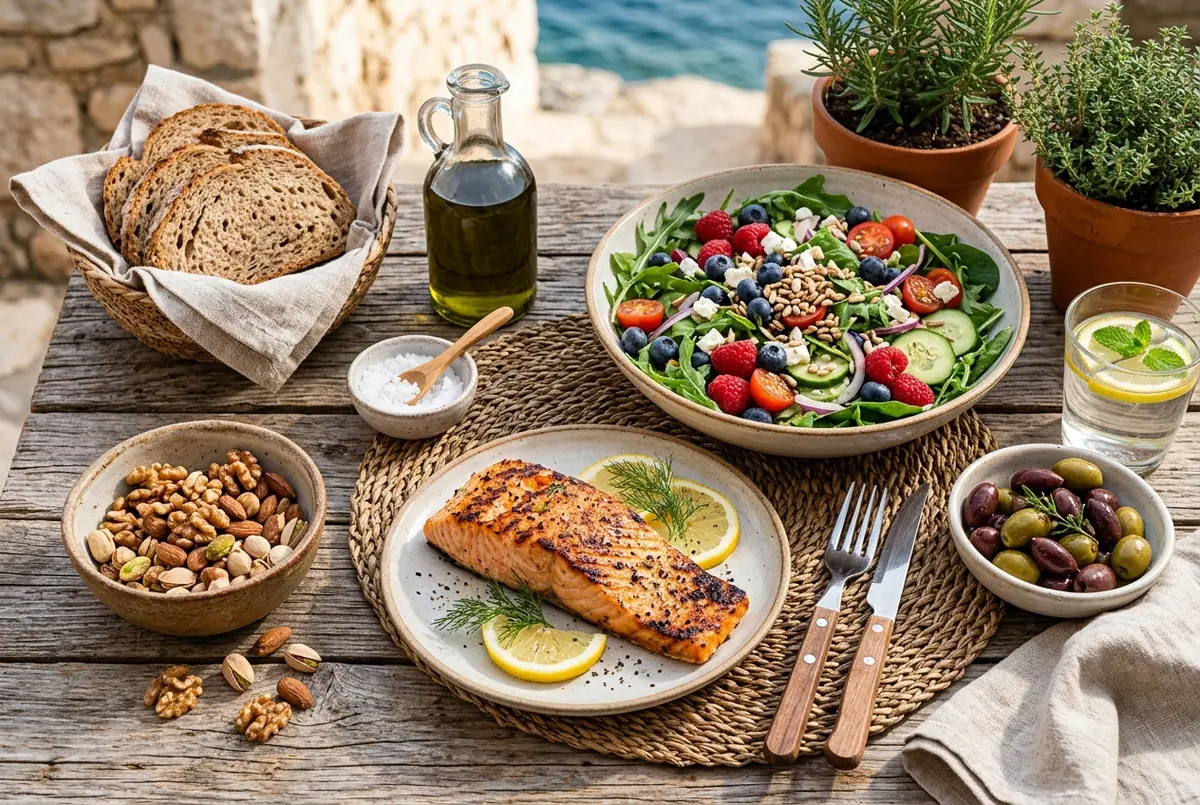
(Image credit: Wellness Research Daily)
“Anti-inflammatory” has become one of wellness marketing's favorite adjectives, usually attached to something expensive and exotic. The quieter truth: the eating pattern most consistently associated with lower inflammatory markers in research is built from thoroughly ordinary groceries — and it has a name most people already know.
The Mediterranean pattern and what makes it tick
The landmark PREDIMED trial — a large randomized study published in the New England Journal of Medicine — demonstrated that a Mediterranean dietary pattern supplemented with extra-virgin olive oil or nuts reduced cardiovascular events by roughly 30 percent compared to a control diet. Subsequent analyses found participants also showed lower markers of systemic inflammation. Harvard Health and major cardiology bodies point to the same pattern: more plants, more fish, more olive oil, fewer ultra-processed items.
No single ingredient explains the effect; it's the overall tilt. But five components carry especially strong individual evidence.
1. Oily fish
Salmon, mackerel, sardines, herring — the omega-3 fatty acids they carry (EPA and DHA) are among the best-studied nutrients in inflammation research, consistently associated with lower C-reactive protein and other markers. Canned versions are nutritionally equivalent and cost a fraction of the fillet counter. Two or more servings a week is the standard recommendation from the American Heart Association.
2. Berries
Blueberries, strawberries, raspberries: dense in polyphenols — plant compounds under active research for protective roles — plus fiber, at relatively little sugar. Frozen berries are nutritionally excellent, available year-round, and cheaper than fresh; the smoothie industry's open secret is that frozen was fine all along.
3. Leafy greens
Spinach, kale, chard, arugula. Dense in vitamins, minerals, and phytochemicals, easy to add to almost anything, and the ingredient most reliably present in every version of the dietary patterns researchers keep rewarding. A handful wilted into pasta or eggs requires no salad commitment.
4. Extra-virgin olive oil
The backbone fat of the Mediterranean pattern, and one of the few foods where the "extra-virgin" claim has substance — the minimal processing retains polyphenols (oleocanthal, hydroxytyrosol) that refined oils lose. The PREDIMED arm using EVOO saw some of its strongest results. Use it as a default cooking and dressing fat rather than a garnish.
5. Nuts
Walnuts, almonds, pistachios: good fats, fiber, minerals, and consistent associations with cardiovascular benefit in long-running cohort studies and in PREDIMED's nut arm specifically. A small daily handful is the dose — the calorie density means the handful, not the bag, is the unit.
The honest framing
No single food fixes anything — and any claim that one superfood "cures inflammation" is selling you something. What the research keeps rewarding is the overall pattern: more of the five above, fewer ultra-processed foods and added sugars, and consistency over time. Boring, affordable, and effective — which is a fine combination, and the only one with a large randomized trial behind it.