
The Nutrient America Eats Half Enough Of — and How to Fix It Without Misery
Only about 5 percent of Americans meet the fiber recommendation. The Dietary Guidelines have called it a 'nutrient of concern' since 2005. Here's the practical fix.
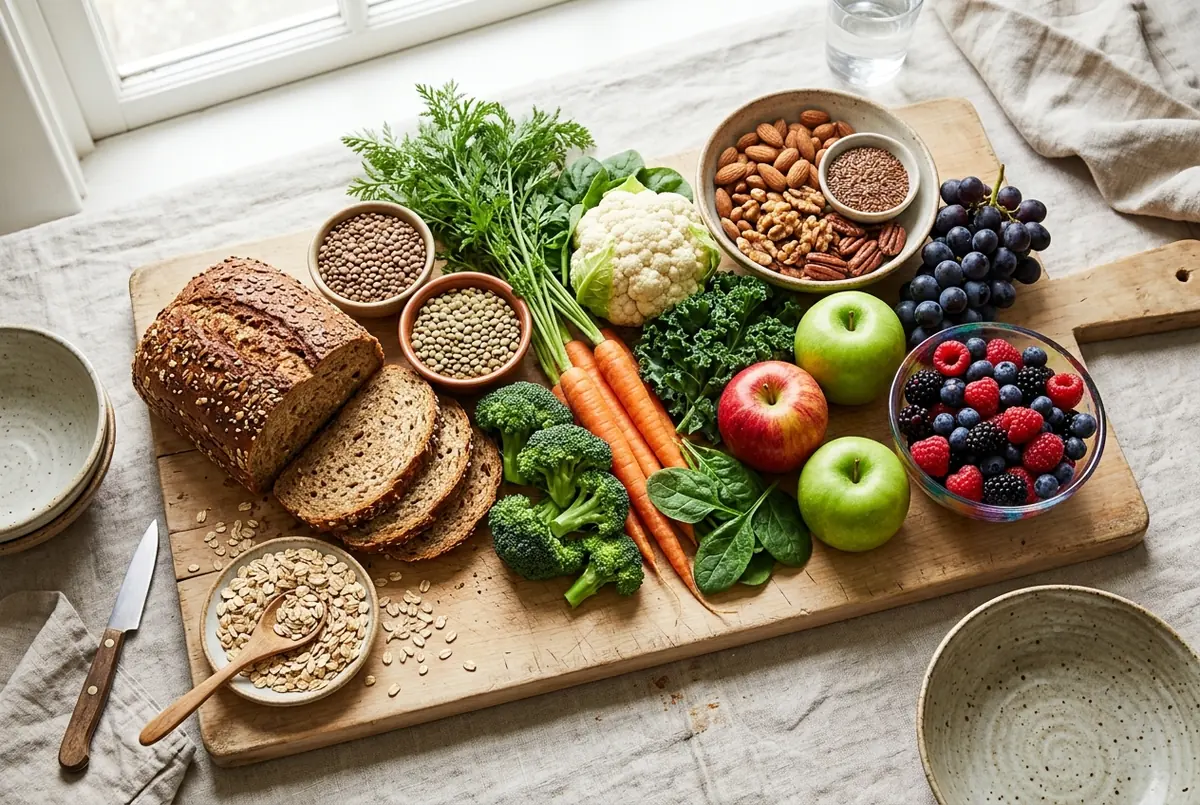
(Image credit: Wellness Research Daily)
If nutrients had publicists, fiber fired theirs decades ago. While protein trends and supplements launch, fiber sits in the unsexy corner being quietly one of the most important and most under-consumed nutrients in the American diet — a gap the federal Dietary Guidelines have flagged as a "nutrient of concern" every edition since 2005.
The gap, in numbers
The official recommendation is roughly 14 grams per 1,000 calories consumed — which translates to about 25 grams per day for women and 38 grams per day for men under 50. The U.S. average, per NHANES data, lands around 15–17 grams — and analyses suggest only about 5 percent of Americans consistently meet the target. It's one of the largest nutrient shortfalls in the standard American diet.
What fiber actually does
Fiber is the structural part of plant food your digestive enzymes can't break down, and that's precisely its value. Insoluble fiber adds bulk and keeps things moving — the famous benefit. Soluble fiber dissolves into a gel that slows the absorption of sugar (steadier energy, flatter glucose curves) and binds cholesterol in the gut. And a growing body of research focuses on fiber as the primary fuel for the gut microbiome — the trillions of bacteria in your colon that increasingly appear central to immune function, metabolic health, and more.
High-fiber eating patterns associate consistently with better long-term health outcomes: lower risk of heart disease, type 2 diabetes, and colorectal cancer in large prospective studies. Fiber also fills you up per calorie better than almost anything, which is why high-fiber diets show up so often in weight-management research.
Where fiber lives
No exotic sourcing required: beans and lentils are the density champions (a cup of cooked lentils delivers roughly 15 grams), followed by whole grains (oats, brown rice, wholegrain bread), vegetables, fruit with skins, and nuts and seeds. Nothing on that list is expensive, which makes fiber one of nutrition's rare wins for both health and budget.
Closing the gap without a revolution
- Swap defaults, not meals: wholegrain bread for white, brown rice or quinoa for white rice, oats where sugary cereals currently sit
- Beans somewhere daily — into soups, chili, salads, grain bowls, or blitzed into sauces and dips where skeptical households won't notice
- Fruit as the standing snack, skins on wherever edible
- Berries or nuts on breakfast, seeds on nearly anything
- Read one label: many breads and cereals that look wholesome contain token fiber; three grams per serving or higher earns the slot
The one rule of ramping up
Go gradually and drink water. A sudden fiber doubling makes its presence known — gas, bloating, regret — because the gut microbiome needs time to upshift its fermentation capacity. Spread the increase over two to three weeks and the system adapts. Steady beats heroic, a theme fiber shares with most things that actually work.