The Best Insoles for Tired Feet: Superfeet, Powerstep, Currex and the Drugstore Hero
Sometimes the fix isn't new shoes but what's inside them. The four insoles worth your money — and how to tell if you need one at all.
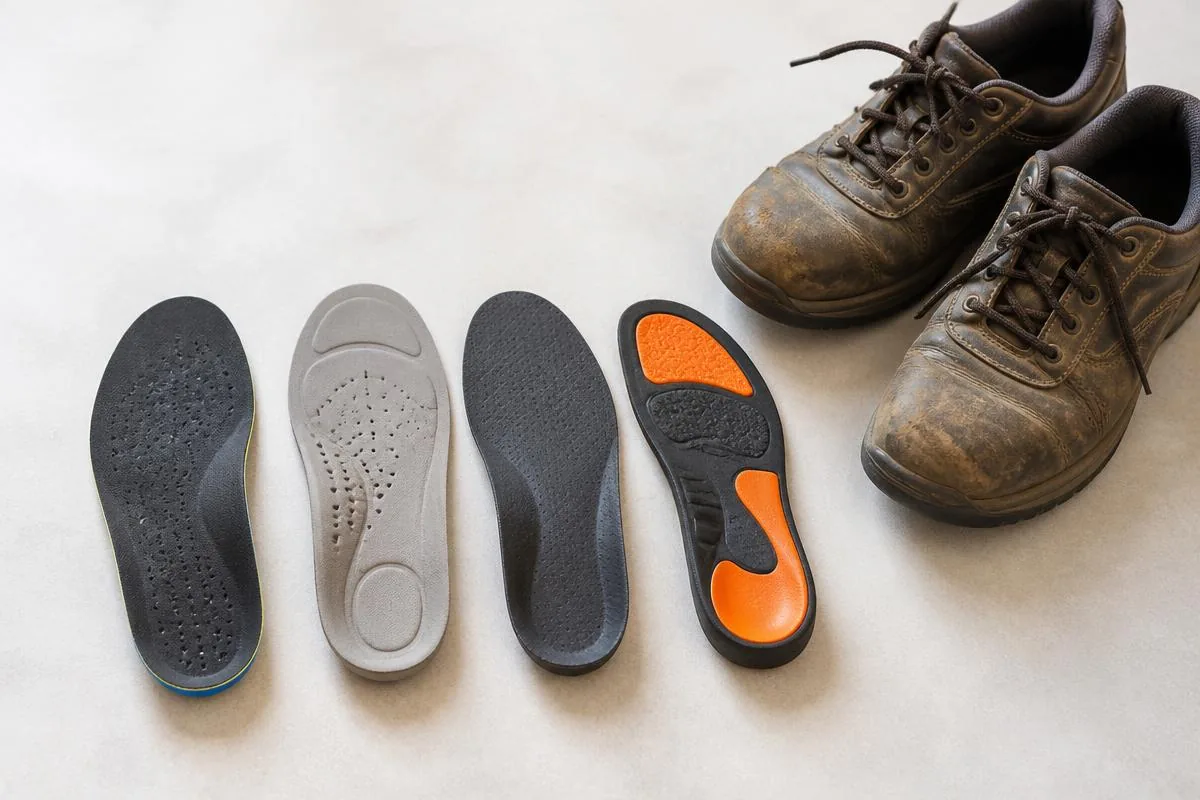
(Image credit: Wellness Research Daily)
Insoles promise a remarkable amount for a slim piece of foam and plastic: less fatigue, better support, revived old shoes, happier feet by Friday. Sometimes they deliver all of it. The trick is knowing when an insole is genuinely the answer — and which of the wall of near-identical packages to pull down.
The honest preamble: retail insoles are comfort equipment, not treatment. When shoes are fundamentally wrong — too narrow, unstable, collapsed — an insole is a bandage on the wrong wound, and when feet genuinely hurt in ways that persist or sharpen, that's a clinician's question, not a shopping one. For everyone whose feet are simply tired from hard floors and thin factory footbeds: read on.
1. Superfeet All-Purpose Support High Arch — the structured icon (~$50–55)
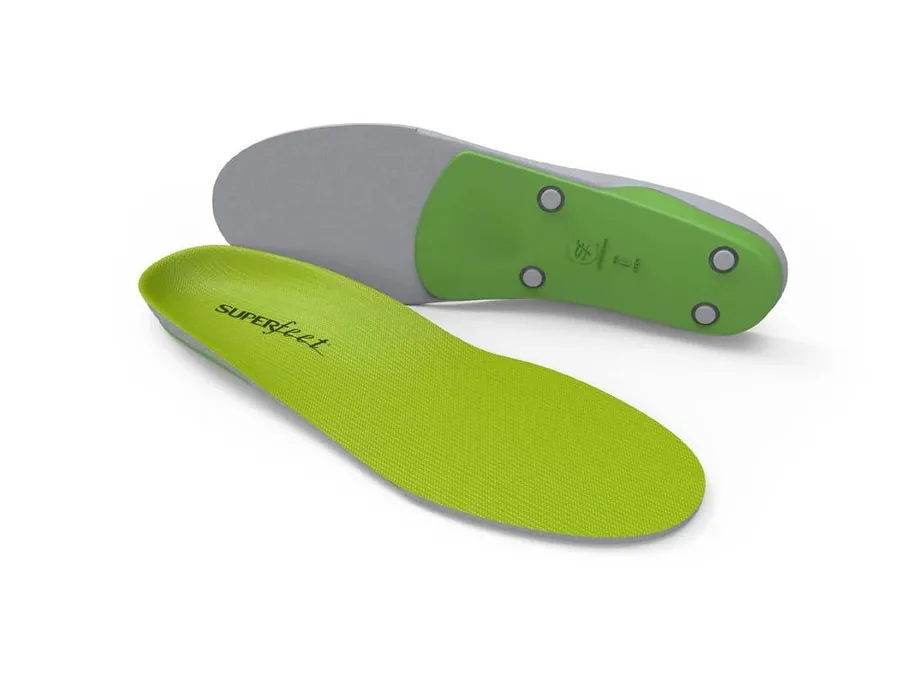
The Superfeet All-Purpose Support High Arch has been the category's reference point for decades, and its formula hasn't needed changing: a firm, deep heel cup that stabilizes the foot's own fat pad, a high structured arch, and dense closed-cell foam that holds its shape season after season. It's the insole for people who want to feel held — and its firmness is exactly why it works and exactly what takes a few days of adjustment. High arches and hard floors are its home turf; Superfeet's other colors cover lower arch profiles.
2. Powerstep Pinnacle — the cushioned all-rounder (~$35–45)
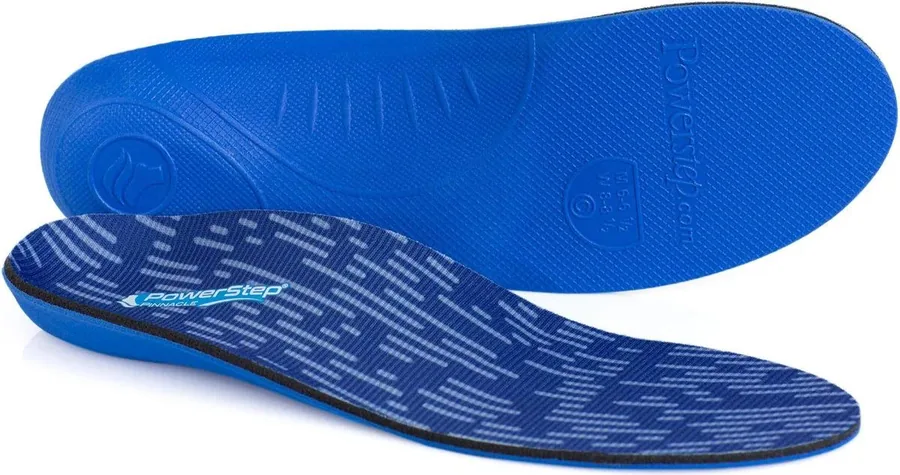
Where Superfeet leads with structure, Powerstep blends it: a semi-rigid supportive shell sandwiched in dual-layer cushioning with a lower, friendlier arch profile. It's the brand podiatry offices hand out most casually — the Pinnacle line is practically the default recommendation for garden-variety standing fatigue and heel-area complaints — and for most feet it's the easiest structured insole to simply put in and forget. The value-per-dollar champion of the serious tier.
3. Currex RunPro — the flexible specialist (~$50–55)
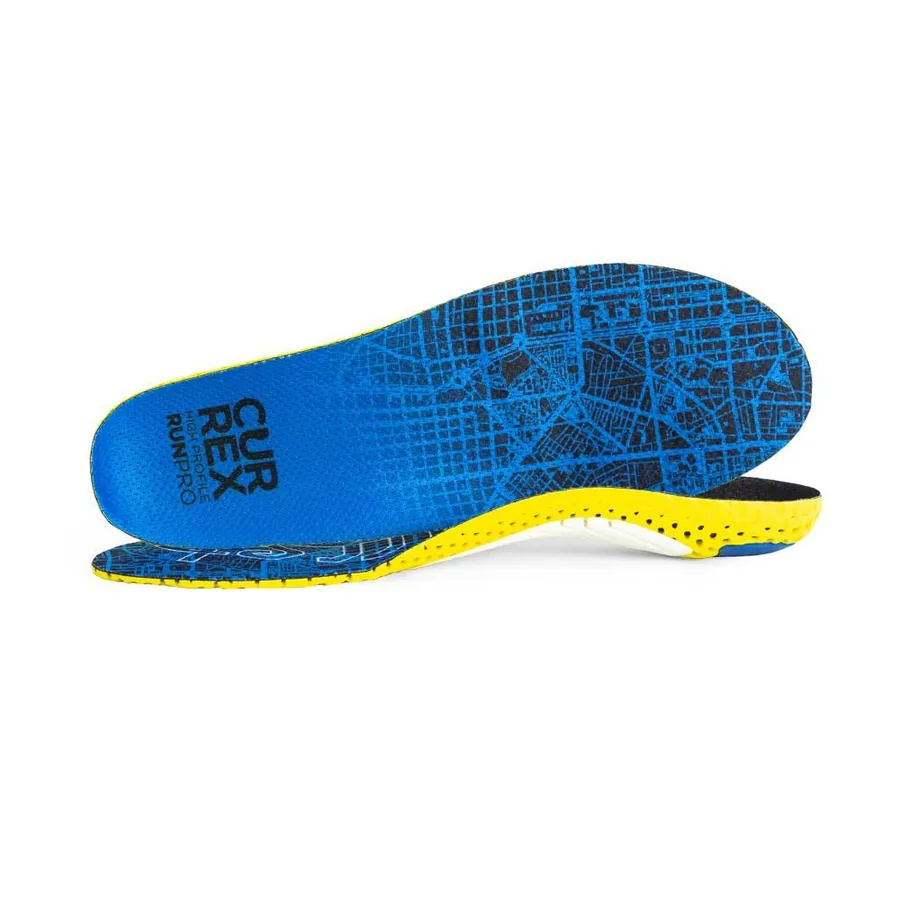
German-engineered and beloved by runners, the Currex RunPro takes the opposite philosophy from the stiff-shell school: a dynamic, flexible arch that moves with the foot rather than bracing it, in three arch heights matched via the brand's simple profiling. In shoes where a rigid insole feels intrusive — trainers, walking shoes, anything flexible — the Currex disappears in the best way. If Superfeet felt like too much opinion under your arch, this is the counter-argument.
4. Dr. Scholl's Work — the accessible fix (~$15–20)
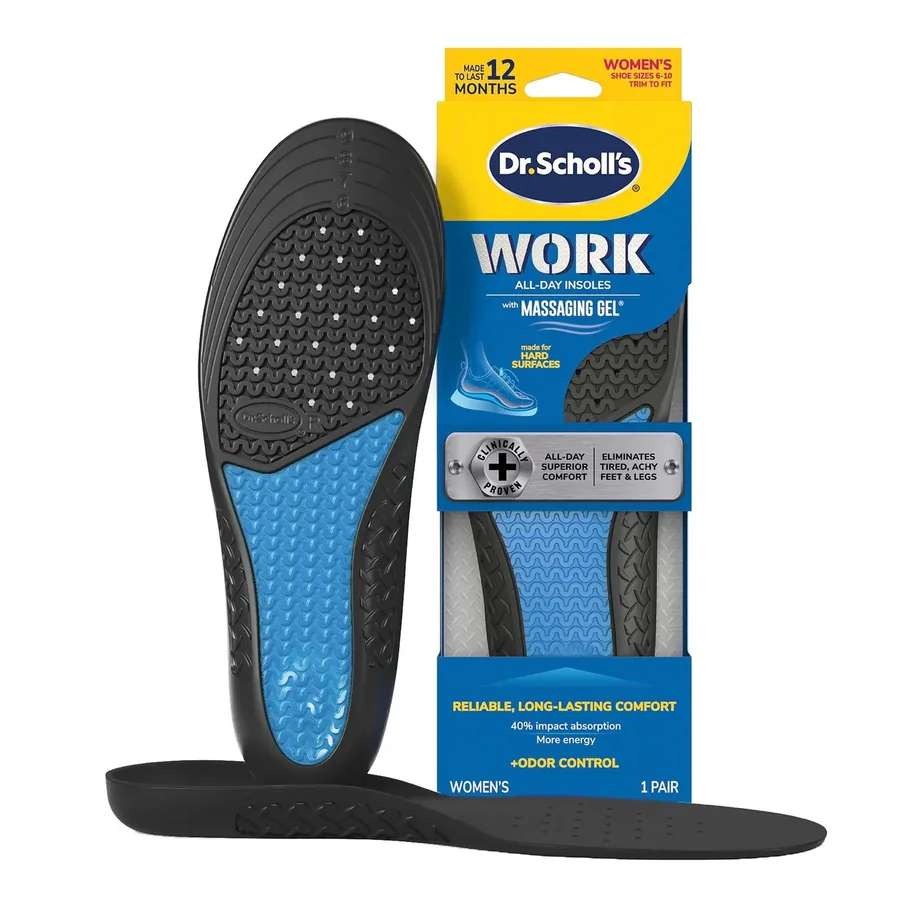
No specialist retailer required: Dr. Scholl's Work insoles live in every drugstore, cost a lunch, and are built specifically for the all-day standing crowd, with massaging-gel cushioning tuned for hard floors. They won't match the structured options for support or lifespan — gel and soft foam fade faster — but as an immediate, low-risk upgrade over a worn factory footbed, they're the easiest yes in the category.
Do you actually need insoles?
- Yes, likely: your shoes fit well but the factory footbed is thin or flattened; you stand on hard floors and want more material under heel and forefoot; one favorite pair is comfortable everywhere except underfoot; your insoles are visibly compressed (they're consumables — six to twelve months of daily wear is a full career for cushioning models).
- No, fix elsewhere first: the shoe itself is worn out or wrong for your foot; or the problem is pain rather than tiredness — persistent or sharp foot pain deserves professional eyes, and an insole shouldn't be what postpones the appointment.
Fitting them right
Use the shoe's original footbed as a trimming template and cut conservatively. Remove the factory insole rather than stacking — stacking changes the shoe's fit and defeats both layers. Expect a short break-in with structured models: mild new-contact strangeness for a few days is normal; actual pain means wrong model, and it's a return, not a challenge.
The bottom line
Powerstep for most tired feet, Superfeet for maximum structure and high arches, Currex for flexible shoes and runners, Dr. Scholl's for the instant drugstore fix. A small piece of foam holds up a surprisingly large share of your day — make sure the shoe around it deserves the upgrade, and replace it before it's archaeology.